
The Australian property market continues to evolve, presenting both opportunities and challenges for homeowners, buyers, and investors alike. Understanding how to navigate any real estate transaction successfully requires more than just casual market awareness-it demands strategic planning, local expertise, and a comprehensive approach to property decisions. Whether you're purchasing your first home in Western Sydney's thriving suburbs or selling a family property you've owned for decades, the principles that drive exceptional outcomes remain consistent across every type of transaction.
Understanding Any Real Estate Market Fundamentals
Property markets operate on principles that apply universally, yet manifest differently across locations, property types, and market conditions. Any real estate decision begins with understanding supply and demand dynamics within your specific suburb and broader region.
In areas like Revesby, Padstow, and Panania, local market conditions can vary significantly from broader Sydney trends. Factors such as infrastructure development, school catchment areas, proximity to amenities, and demographic shifts all influence property values and buyer demand. Recent housing research demonstrates how local supply constraints and zoning regulations impact property availability and pricing across different markets.
Market Cycles and Timing Considerations
Understanding market cycles helps sellers and buyers make informed timing decisions for any real estate transaction. Australian property markets typically move through phases of growth, peak, decline, and recovery, though these cycles don't occur uniformly across all areas.
- Growth phases see increasing buyer activity and rising prices
- Peak periods often feature high competition and maximum prices
- Correction phases present opportunities for well-informed buyers
- Recovery stages mark the beginning of renewed confidence and activity
Recognising where your local market sits within these cycles allows for better strategic planning, whether you're entering or exiting the property market.

Preparing Any Real Estate Asset for Sale
Successful property sales begin long before a listing goes live. Preparation significantly influences how quickly a property sells and the final price achieved.
Property presentation encompasses both physical condition and strategic positioning. A well-maintained home with fresh paint, manicured gardens, and minor repairs completed presents far better than one requiring obvious work. However, presentation extends beyond aesthetics to include documentation, building reports, and comprehensive property information that builds buyer confidence.
Strategic Property Improvements
Not all improvements deliver equal returns. Understanding which upgrades add value versus those that simply match market expectations helps sellers invest wisely in any real estate asset.
| Improvement Type | Typical ROI | Priority Level |
|---|---|---|
| Kitchen renovation | 70-80% | High |
| Bathroom updates | 65-75% | High |
| Fresh paint (interior/exterior) | 90-100% | Very High |
| Landscaping and kerb appeal | 80-90% | Very High |
| New flooring | 60-70% | Medium |
| Pool installation | 40-50% | Low |
Focus on improvements that appeal to your target buyer demographic. First home buyers prioritise move-in readiness and low maintenance, while families value functional spaces and outdoor areas. Luxury buyers expect premium finishes and architectural features.
Documentation and Transparency
Gathering comprehensive property documentation streamlines any real estate sale. Essential documents include title deeds, recent council rates notices, water usage statements, building and pest inspection reports, strata reports (if applicable), and any renovation or extension permits.
Transparency builds buyer confidence. Properties sold with complete documentation and full disclosure typically achieve stronger results than those where buyers must investigate or uncover information themselves. This approach reduces negotiation friction and supports premium pricing.
Effective Marketing for Any Real Estate Property
Marketing strategy determines how many qualified buyers view and compete for a property. A comprehensive approach combines traditional and digital channels to maximise exposure across all buyer segments.
Professional photography forms the foundation of any real estate marketing campaign. Properties with high-quality images receive significantly more online enquiries than those with amateur photos. Video content, including walk-through tours and drone footage, provides buyers with comprehensive property perspectives before physical inspections.
Digital advertising has transformed property marketing. Targeted campaigns on social media platforms, search engines, and property portals ensure listings reach buyers actively searching in specific price ranges and locations. Database marketing to registered buyers and past enquiry lists generates immediate interest from motivated purchasers.
Multi-Channel Campaign Execution
Successful campaigns leverage multiple touchpoints to maintain visibility and generate momentum throughout the sales period.
- Pre-launch preparation with professional media and marketing materials
- Launch week activation across all digital and traditional channels
- Mid-campaign reinforcement with testimonials, open home feedback, and additional content
- Final push strategy creating urgency as auction or closing dates approach
- Post-campaign analysis reviewing metrics and adjusting for future listings
This structured approach ensures consistent buyer engagement and maintains strong property interest from initial listing through to sale. Property Marketing & Sales Strategy services that incorporate these comprehensive elements typically deliver superior market response and competitive buyer interest.
Accurate Valuation of Any Real Estate Holding
Understanding true market value provides the foundation for realistic pricing and successful sales outcomes. Property appraisal combines comparative market analysis, current market conditions, and property-specific attributes to determine appropriate price positioning.
Recent comparable sales within the same suburb and property type provide the strongest valuation indicators. Properties with similar land sizes, bedroom configurations, condition levels, and locations establish clear market benchmarks. However, each property possesses unique features that may justify premium or discounted pricing relative to comparables.

Professional Appraisal Standards
Appraisal methodology follows established professional standards that ensure consistency and accuracy across property valuations. Three primary approaches inform any real estate appraisal:
- Sales comparison approach analysing recent comparable transactions
- Income approach calculating potential rental returns for investment properties
- Cost approach estimating land value plus building replacement cost
For residential properties, the sales comparison approach typically carries the most weight, particularly in established suburbs with regular transaction activity. Markets like Revesby and Panania benefit from consistent sales data that supports accurate comparative analysis.
Buyer Psychology in Any Real Estate Transaction
Understanding buyer motivations and decision-making processes helps sellers and their agents position properties effectively. Different buyer segments respond to different triggers and messaging.
First home buyers prioritise affordability, loan approval certainty, and move-in readiness. They respond well to messaging around lifestyle, community, and future potential. Upgraders focus on space, functionality, and school zones, seeking properties that accommodate growing families. Downsizers value low maintenance, accessibility, and proximity to amenities, preferring single-level homes with manageable outdoor areas.
Creating Competitive Tension
Properties marketed and presented to appeal to multiple buyer segments generate stronger competition. When several buyers from different demographics all find a property attractive, competitive tension drives prices beyond initial expectations.
Strategic pricing slightly below market value can trigger this dynamic. When a property appears to offer strong value, multiple buyers move quickly to secure it, often bidding against each other to levels exceeding what they initially planned to spend. This approach requires confidence in the property's appeal and accurate market knowledge to set the appropriate entry point.
Negotiation Mastery for Any Real Estate Sale
Skilled negotiation separates good results from exceptional outcomes. Every negotiation involves balancing seller objectives against buyer expectations while maintaining transaction momentum toward settlement.
Strong negotiation begins with understanding each party's position, motivations, and constraints. Sellers typically prioritise price, settlement timeline, and certainty of completion. Buyers focus on value, condition, and financing feasibility. Finding common ground where both parties feel satisfied requires clear communication and creative problem-solving.
Negotiation Strategies and Tactics
| Strategy | Application | Effectiveness |
|---|---|---|
| Anchoring with strong opening price | Establishes premium expectations | High in seller's markets |
| Creating urgency through timelines | Accelerates buyer decision-making | Medium to High |
| Highlighting competing interest | Generates fear of missing out | Very High with genuine interest |
| Offering creative terms | Accommodates buyer constraints | Medium, situation-dependent |
| Standing firm on value | Protects against undervaluation | High with strong evidence |
The most effective negotiators adapt their approach based on market conditions, property attributes, and buyer behaviour. In strong markets with high demand, firmness on price often yields results. In softer conditions, flexibility around settlement terms or minor inclusions may secure commitment at desired price levels.
Navigating Any Real Estate Settlement Process
Settlement represents the final stage where property ownership officially transfers from seller to buyer. This legal process involves multiple parties, strict timelines, and detailed documentation that must align precisely for successful completion.
Conveyancers and solicitors manage the legal aspects of any real estate transaction, preparing contracts, conducting title searches, liaising with banks, and ensuring all conditions are satisfied before settlement. Sellers must provide clear title, discharge any existing mortgages, and vacate the property by the agreed date. Buyers must secure financing approval, complete building and pest inspections, and have funds available for settlement.
Common Settlement Challenges
Understanding potential obstacles allows proactive management and smoother transactions:
- Financing delays when buyer loan approvals take longer than expected
- Title issues including unregistered easements or boundary discrepancies
- Contract condition failures such as unsatisfactory building inspections
- Timing misalignments between property purchase and sale settlements
- Documentation errors requiring amendment and re-execution
Experienced agents anticipate these challenges and implement preventative measures throughout the sales process. Early engagement with conveyancers, thorough pre-listing title checks, and clear communication with all parties minimise settlement disruptions.
Investment Analysis for Any Real Estate Purchase
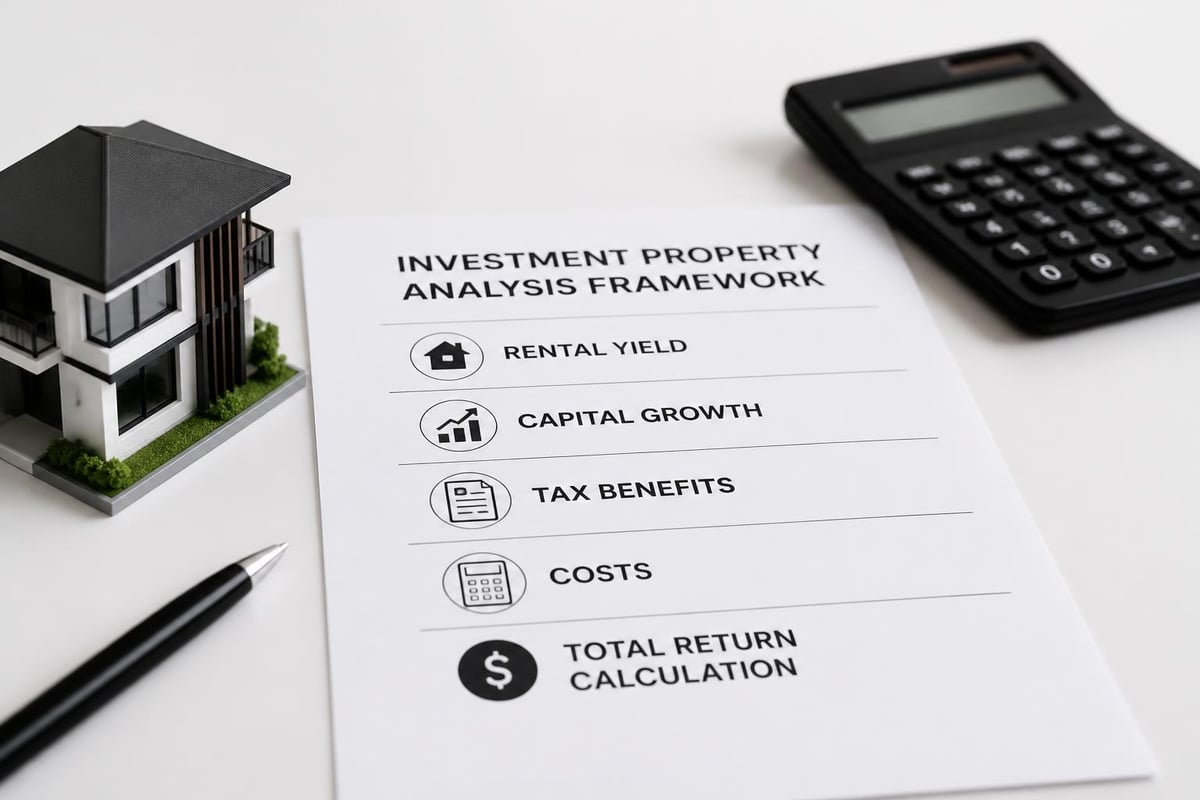
Investment properties require additional analysis beyond owner-occupier considerations. Rental yields, capital growth prospects, tax implications, and ongoing costs all influence investment viability.
Yield calculations compare annual rental income against purchase price and costs. Gross yields provide initial indication of rental returns, while net yields account for rates, insurance, maintenance, and management fees. Australian market data on price movements helps investors assess historical growth patterns, though past performance doesn't guarantee future results.
Location Selection for Investment Properties
Investment success begins with location selection. Areas with strong employment growth, infrastructure development, and demographic tailwinds typically deliver superior long-term returns. Proximity to transport, schools, shopping centres, and recreational facilities supports consistent rental demand and capital appreciation.
Suburbs like Revesby and Panania offer investment appeal through established infrastructure, family-friendly amenities, and proximity to major employment centres. Understanding local market nuances-average vacancy rates, typical rental ranges, tenant demographics-informs smarter investment decisions for any real estate acquisition in these areas.
First Home Buyer Strategies
Entering the property market for the first time presents unique challenges and opportunities. First home buyers benefit from government incentives, lower deposit requirements through lenders mortgage insurance, and first home buyer grants, yet face competition from experienced buyers and investors.
Budget determination forms the critical first step. Understanding borrowing capacity, deposit requirements, stamp duty costs, and ongoing ownership expenses prevents overcommitment. Pre-approval from lenders provides certainty and strengthens negotiating positions when suitable properties appear.
Building Strong Buyer Profiles
- Research target suburbs thoroughly, attending open homes and monitoring sales results
- Engage qualified conveyancers and building inspectors early
- Understand contract terms and conditions before making offers
- Remain flexible on property features while firm on location and budget
- Seek professional guidance from experienced agents who understand first buyer needs
Many first home buyers benefit from working with agents who provide education and support throughout the process. Understanding how to evaluate any real estate opportunity, identify value, and make confident offers transforms the buying experience from overwhelming to empowering.
Auction Campaign Management
Auctions create competitive environments that often deliver premium results for sellers. This sales method suits properties with broad appeal, unique features, or in strong markets where multiple buyers compete.
Successful auction campaigns require meticulous planning and execution. The four-week campaign period builds momentum through progressive marketing, multiple open homes, and sustained buyer engagement. Qualified buyers receive comprehensive property information, building and pest reports, and contract documentation well before auction day.
Auction Day Dynamics
Auction day represents the culmination of weeks of preparation and marketing. Vendor advocacy, strategic bidding management, and maintaining competitive tension all influence final results for any real estate auction.
Pre-auction offers sometimes emerge during campaigns. Evaluating these requires assessing offer strength against expected auction competition. Strong pre-auction offers with minimal conditions may warrant acceptance, while speculative lowball offers typically receive rejection or counter-offers that establish realistic pricing expectations.
Technology's Role in Modern Property Transactions
Digital innovation has transformed how Australians buy and sell property. Virtual tours, online auctions, digital contract signing, and data-driven pricing tools all streamline any real estate transaction.
Property portals provide buyers with instant access to listings, market data, and suburb statistics. Sellers benefit from sophisticated marketing tools that target specific buyer demographics and geographic areas. The transparency these platforms create empowers both buyers and sellers with information previously accessible only through industry professionals.
However, technology complements rather than replaces human expertise. While data informs decisions, understanding context, nuance, and local market subtleties requires experienced interpretation. The most successful property transactions combine technological efficiency with professional judgment and relationship management.
Market Expertise and Local Knowledge
Deep understanding of specific suburbs and property types creates significant advantages in any real estate transaction. Agents with extensive local experience recognise value indicators that general market observers miss.
Knowing which streets command premiums, how seasonal factors affect different property types, and which buyer demographics dominate particular price points allows for superior strategy development. This knowledge influences everything from pricing and marketing to negotiation tactics and settlement management.
Professional real estate services built on genuine local expertise deliver measurable advantages. Agents who live in, work in, and specialise exclusively in specific areas develop relationships, market insights, and community connections that benefit their clients throughout every stage of property transactions.
Building Inspection and Due Diligence
Thorough property investigation protects buyers from expensive surprises and supports confident decision-making. Professional building and pest inspections reveal structural issues, maintenance requirements, and potential problems invisible during casual viewing.
Common findings include timber pest activity, rising damp, roof deterioration, electrical safety concerns, and plumbing issues. While many problems allow for repair or price negotiation, understanding a property's true condition before commitment prevents regrettable purchases.
Buyers should review all available documentation, including council development applications for neighbouring properties, flood zone mapping, and historical sales data. This comprehensive due diligence ensures any real estate purchase decision rests on complete information rather than assumptions or incomplete disclosure.
Environmental Considerations in Property Selection
Sustainability and energy efficiency increasingly influence property values and buyer preferences. Homes with quality insulation, energy-efficient appliances, solar panels, and water-saving features appeal to environmentally conscious buyers and offer long-term cost savings.
Orientation affects heating and cooling efficiency significantly. North-facing living areas maximise natural light and warmth in winter, while appropriate shading prevents excessive summer heat. These design features enhance comfort and reduce energy consumption throughout any real estate property's lifecycle.
Green building practices and sustainable features represent investments that deliver returns through reduced operating costs and enhanced market appeal. As energy prices rise and environmental awareness grows, properties with superior sustainability credentials command premium positioning.
Professional Relationships and Industry Networks
Successful property transactions often depend on relationships with conveyancers, building inspectors, mortgage brokers, and other industry professionals. Agents with established networks facilitate smoother processes through trusted referrals and coordinated service delivery.
These relationships benefit clients through reliable service providers who understand transaction timelines, communicate effectively, and deliver quality outcomes. Whether securing finance, completing legal requirements, or coordinating settlement logistics, working with experienced professionals minimises stress and prevents common transaction failures.
Building a team of trusted advisors around any real estate transaction ensures all aspects receive appropriate attention and expertise. This collaborative approach consistently delivers superior outcomes compared to navigating complex processes alone.
Understanding how to optimise any real estate transaction-from accurate valuation and strategic marketing through to skilled negotiation and smooth settlement-positions sellers and buyers for exceptional outcomes in today's competitive property market. Whether you're selling a cherished family home, purchasing your first property, or making an investment decision in Revesby, Padstow, Panania, or surrounding suburbs, working with Steven Cirillo provides the local expertise, honest communication, and detailed approach that transforms property goals into successful reality.