
Finding the best price property in today's competitive market requires far more than simply identifying the lowest listing. True value emerges from understanding market dynamics, recognising opportunity, and conducting thorough due diligence. Whether you're purchasing your first home in Padstow, seeking an investment opportunity in Revesby, or searching for a family residence in Panania, the concept of "best price" extends well beyond the figure on the contract. This comprehensive guide explores how Australian property buyers can identify genuine value, navigate pricing strategies, and secure properties that deliver both immediate satisfaction and long-term returns.
Understanding What Best Price Property Actually Means
The best price property isn't always the cheapest option available. Instead, it represents the optimal intersection of quality, location, condition, and value relative to current market conditions.
Many buyers make the critical error of focusing exclusively on the purchase price whilst overlooking essential factors that determine true value. A property listed at $950,000 might represent superior value compared to a similar home priced at $900,000 if the former offers better land size, superior condition, or stronger rental potential.
Key components that define best price property include:
- Current market value based on recent comparable sales
- Property condition and required maintenance costs
- Location advantages and future growth potential
- Land size and development opportunities
- Proximity to amenities, schools, and transport
The Australian property market operates with distinct regional characteristics. What constitutes excellent value in Sydney's southwest suburbs differs dramatically from Melbourne's inner east or Brisbane's northern corridor. Understanding your specific market area remains fundamental to identifying the best price property for your circumstances.

Market Timing and Price Opportunities
Strategic timing significantly influences your ability to secure the best price property. Sydney's real estate market experiences predictable seasonal patterns, with winter months traditionally offering reduced competition and increased negotiation leverage.
Properties listed during December and January often attract fewer buyers due to holiday periods, creating opportunities for well-prepared purchasers. Similarly, homes that have remained on the market for extended periods may indicate motivated vendors willing to negotiate below initial expectations.
Understanding current market trends helps buyers identify when conditions favour purchasers versus vendors. During buyer's markets, characterised by higher stock levels and longer selling times, securing the best price property becomes significantly more achievable through strategic negotiation.
Evaluating Property Value Beyond the Price Tag
Professional property appraisals provide essential insights into whether a listing represents genuine value. Accurate market assessments consider recent comparable sales, property-specific features, and current market conditions to establish realistic price expectations.
| Valuation Factor | Impact on Value | Typical Adjustment |
|---|---|---|
| Superior condition | Positive | 5-10% premium |
| Larger land size | Positive | $100-300 per sqm |
| Renovation required | Negative | 10-20% reduction |
| Prime location | Positive | 15-30% premium |
| Limited parking | Negative | 5-10% reduction |
When evaluating potential purchases, detailed property inspections reveal hidden costs that dramatically affect true value. A building and pest inspection costing $500 can uncover $50,000 in structural issues, transforming an apparent bargain into an expensive liability.
The concept of pocket listings occasionally presents opportunities to secure the best price property before broader market exposure. However, off-market transactions require careful valuation to ensure pricing remains competitive despite reduced buyer competition.
The Role of Professional Appraisals
Obtaining independent Property Appraisals & Market Assessments provides buyers with objective valuation data separate from vendor marketing. Professional agents with extensive local knowledge can identify whether asking prices align with genuine market value or represent inflated expectations.
In suburbs like Revesby, Padstow, and Panania, experienced agents understand micro-market variations that online valuation tools frequently miss. A property on one street might command a 10% premium over an identical home two blocks away due to school zoning, traffic patterns, or neighbourhood characteristics.
Professional guidance helps buyers avoid overpaying during competitive situations. Auction environments particularly benefit from expert advice, as bidders often become emotionally invested and exceed their predetermined budgets.
Negotiation Strategies for Securing Best Price
Effective negotiation transforms a reasonable opportunity into the best price property for your portfolio. Strategic negotiation approaches balance assertiveness with market reality to achieve optimal outcomes without losing desirable properties.
Essential negotiation tactics include:
- Conducting comprehensive market research before making offers
- Understanding vendor motivation and selling timelines
- Identifying property weaknesses that justify price adjustments
- Making realistic offers supported by comparable sales data
- Maintaining emotional distance throughout negotiations
- Being prepared to walk away from overpriced properties
Starting negotiations with a reasonable but below-asking offer signals serious intent whilst creating negotiation space. In the current Sydney market, offers 5-10% below asking price on properties with extended selling times often initiate productive discussions.
Vendor circumstances significantly influence achievable pricing. Owners facing financial pressure, relocating for employment, or managing deceased estates frequently prioritise certainty and settlement speed over maximum price, creating opportunities for prepared buyers.

Understanding Price Reductions and Listing History
Properties with price reductions often signal motivated vendors and potential opportunities. Monitoring listings in your target area helps identify homes that have undergone multiple price adjustments, indicating realistic sellers open to negotiation.
Research from London’s property market demonstrates how tracking price-reduced properties increases buyer success rates. Australian markets display similar patterns, with properties listed above market value eventually requiring corrections to attract serious buyers.
Days on market provides valuable intelligence about pricing accuracy. A property remaining available for 60-90 days in a market where average selling time sits at 30 days clearly indicates pricing misalignment or property issues requiring investigation.
The Difference Between Cheap Properties and Value Properties
Distinguishing between cheap properties and genuine value represents a critical skill for securing the best price property. Cheap properties carry low price tags for valid reasons, including structural issues, unfavourable locations, or significant maintenance requirements.
Value properties deliver quality outcomes at competitive prices relative to their features, location, and condition. These properties might not be the absolute cheapest available, but they provide superior returns considering all relevant factors.
First-time buyers particularly benefit from understanding this distinction. Guidance for first home buyers emphasises that stretching budgets slightly for a well-located, well-maintained property often delivers better long-term outcomes than purchasing the cheapest available option.
Calculating Total Cost of Ownership
The best price property considers total ownership costs beyond purchase price. Ongoing expenses including council rates, strata fees, insurance, maintenance, and potential renovation requirements dramatically affect property affordability.
| Property Type | Average Annual Costs | Typical Maintenance | Insurance Range |
|---|---|---|---|
| House (Sydney SW) | $4,500-6,500 | $3,000-5,000 | $1,200-2,000 |
| Unit with strata | $5,500-8,500 | $1,000-2,000 | $800-1,500 |
| Townhouse | $4,000-6,000 | $2,000-4,000 | $1,000-1,800 |
Properties with deferred maintenance might appear attractively priced but deliver poor value once renovation costs materialise. A property requiring $80,000 in immediate repairs doesn't represent the best price property if similar homes in move-in condition sell for only $60,000 more.
Similarly, coverage quality matters more than premium costs when protecting your investment. Opting for the cheapest insurance without adequate protection creates financial vulnerability during claim situations.
Investment Properties and Value Assessment
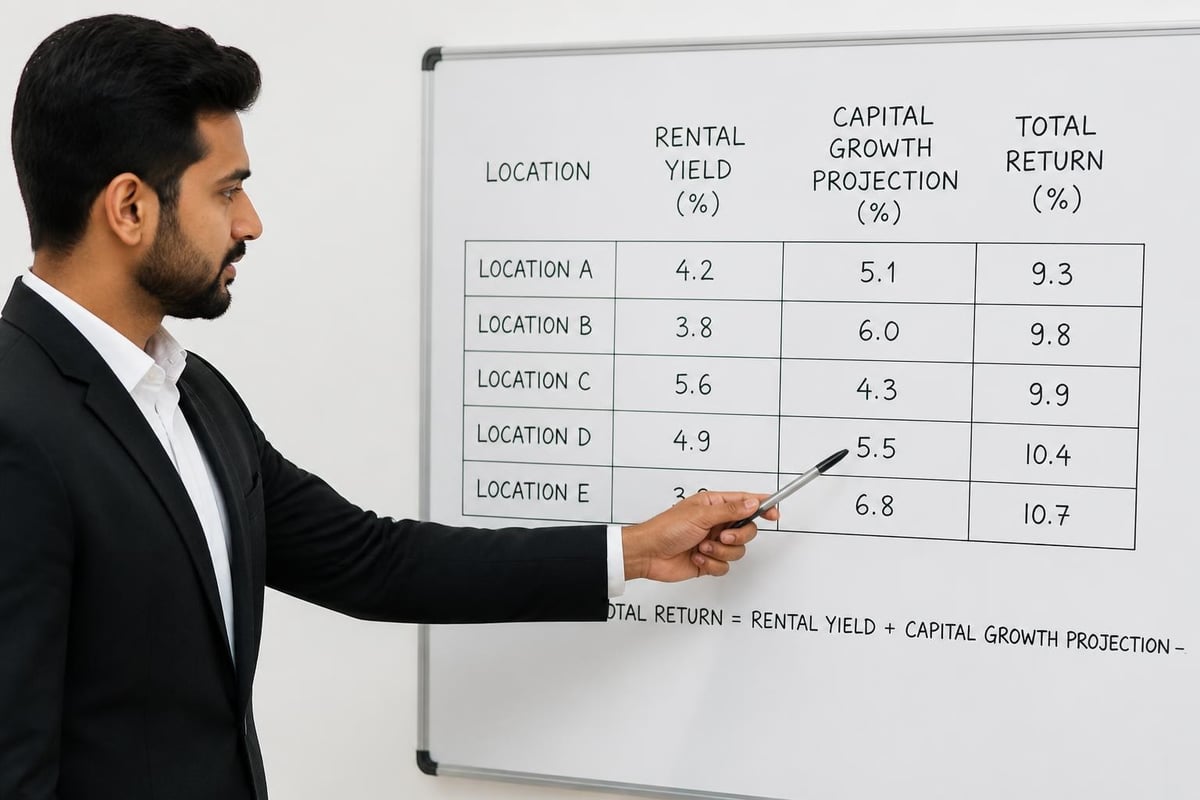
Investment buyers approach the concept of best price property through rental yield and capital growth lenses. Properties delivering strong rental returns whilst offering reasonable purchase prices provide superior investment outcomes.
Calculating rental yield helps compare investment opportunities across different price points. A property purchased for $750,000 generating $35,000 annual rent delivers a 4.67% gross yield, whilst a $650,000 property earning $28,000 provides 4.31% yield, making the former potentially better value despite higher purchase price.
Investment property evaluation criteria:
- Current rental yield versus market averages
- Historical capital growth rates for the suburb
- Tenant demand and vacancy rates
- Future infrastructure and development plans
- Property condition and maintenance requirements
- Strata management quality for apartments
Capital growth potential transforms today's best price property into tomorrow's valuable asset. Areas experiencing infrastructure improvements, rezoning, or demographic shifts often deliver superior long-term returns despite moderate rental yields.
Location Premium Versus Affordability
Properties in premium locations command higher prices but often deliver stronger capital growth and rental demand. Determining whether paying location premium represents value requires analysing long-term performance data.
Padstow, Revesby, and Panania offer compelling value propositions for buyers seeking affordability without sacrificing connectivity and amenities. These established suburbs provide family-friendly environments, quality schools, and transport links whilst maintaining more accessible price points than inner-city alternatives.
Working with experienced local agents who understand micro-market dynamics helps buyers identify which premium features justify higher prices versus those delivering minimal long-term value.
Due Diligence and Hidden Costs
Comprehensive due diligence protects buyers from purchasing seemingly best price properties that harbour expensive problems. Professional building inspections, pest inspections, and strata reports provide essential information about property condition and potential liabilities.
Properties sold "as is" or without warranties require heightened scrutiny. Vendors unwilling to provide building reports or allow inspections often signal awareness of significant issues, transforming apparent bargains into expensive mistakes.
Reviewing Section 149 certificates reveals planning restrictions, development applications, and council notices that affect property value and future development potential. A property with heritage restrictions or contamination notices carries limitations that dramatically impact usability and resale value.
Strata Properties and Community Dynamics
For apartments and townhouses, strata reports reveal financial health of the owners corporation, planned major works, and building maintenance history. A property with low strata fees might seem attractive until discovering a $200,000 special levy for building repairs.
Examining strata meeting minutes provides insights into community dynamics, ongoing disputes, and upcoming expenditure. Well-managed buildings with adequate sinking funds deliver better long-term value than properties with deferred maintenance and dysfunctional committees.
Marketing Tactics and Pricing Psychology
Understanding vendor marketing strategies helps buyers identify genuinely well-priced properties versus those employing pricing tactics to generate interest. Underquoting, where properties are advertised below genuine selling expectations, creates false impressions of value.
Price ranges like "$850,000 to $900,000" often indicate vendors hoping for higher offers whilst attracting buyers seeking lower price points. Experienced buyers request recent comparable sales from agents to verify pricing reasonableness rather than relying solely on advertised ranges.
Properties advertised with specific prices rather than ranges sometimes indicate motivated vendors with realistic expectations. Conversely, "offers over" pricing suggests vendors willing to negotiate from a stated baseline.
Auction Strategy and Reserve Prices
Auctions create competitive environments that can drive prices above fair market value. The best price property at auction requires disciplined bidding based on predetermined limits informed by professional valuations.
Reserve prices, whilst confidential, typically sit within 90-95% of vendor expectations. Properties passing in at auction present negotiation opportunities, as vendors often become more realistic after public price discovery.
Understanding how to navigate auctions effectively helps buyers compete successfully whilst avoiding emotional overpaying. Setting absolute maximum bids before auction day and adhering to those limits protects against competitive bidding escalation.
Off-Peak Opportunities and Market Conditions
Identifying off-peak purchasing opportunities maximises chances of securing the best price property. Winter months, particularly June through August, traditionally see reduced buyer activity in Sydney's southwest suburbs.
Properties listed during these quieter periods often belong to motivated vendors prioritising sale certainty over maximum price. Reduced competition enables buyers to negotiate more effectively and conduct thorough due diligence without time pressure.
End-of-financial-year sales sometimes attract investors seeking tax deductions, creating competition. However, properties that remain unsold during these traditionally active periods may indicate pricing issues or property concerns warranting investigation.
Economic Conditions and Interest Rate Impacts
Interest rate movements significantly affect property affordability and market activity. Rising rates typically reduce buyer numbers and create opportunities for cashed-up purchasers or those with pre-approved finance to negotiate advantageous prices.
Monitoring Reserve Bank announcements and economic indicators helps buyers time purchases strategically. Properties purchased during rate rise periods often deliver superior long-term value as markets subsequently recover and prices increase.
Leveraging Professional Expertise
Partnering with experienced real estate professionals provides access to market intelligence, negotiation expertise, and transaction management that individual buyers struggle to replicate. Agents with extensive local knowledge identify opportunities and potential issues that less experienced observers miss.
Professional guidance proves particularly valuable for first-time buyers navigating unfamiliar processes. Understanding contract terms, special conditions, and settlement procedures prevents costly mistakes that undermine apparent purchase savings.
Buyer's agents, whilst adding upfront costs, sometimes secure better pricing through industry connections and negotiation expertise. Their fees often represent minimal percentages of overall purchase prices whilst delivering measurable value through superior outcomes.
Property Features That Justify Premium Pricing
Certain property features consistently command premium pricing across markets. Identifying which features deliver genuine value versus those representing personal preferences helps buyers allocate budgets effectively.
Features worth paying premium prices for:
- Superior land size with future subdivision potential
- North-facing orientation and natural light
- High-quality recent renovations using premium materials
- Additional parking or garage space
- Proximity to quality schools and public transport
- Established gardens and outdoor living areas
Conversely, features like swimming pools, tennis courts, and elaborate landscaping often fail to deliver proportional value increases. Many buyers view pools as maintenance liabilities rather than desirable features, particularly families with young children concerned about safety.
Structural quality and building materials significantly affect long-term value. Solid brick construction, quality roofing, and proper drainage systems justify higher purchase prices through reduced maintenance costs and enhanced durability.
Long-Term Value Versus Short-Term Savings
The best price property balances immediate affordability with long-term value creation. Properties purchased purely based on low price often underperform during ownership periods, delivering poor capital growth and problematic tenancies.
Quality properties in established locations with strong fundamentals typically deliver superior returns despite higher entry prices. Ten-year ownership periods generally reveal that well-located properties purchased at fair market value outperform cheaper alternatives in less desirable areas.
Renovation potential adds value for buyers willing to invest time and money improving properties. However, accurately estimating renovation costs and avoiding over-capitalisation requires professional advice and realistic budgeting. Properties requiring $150,000 renovations rarely represent value if similar renovated homes sell for only $100,000 more.
Securing the best price property requires comprehensive market knowledge, strategic timing, thorough due diligence, and disciplined negotiation. Whether you're purchasing your first home, seeking an investment opportunity, or upgrading to accommodate growing family needs, understanding true value beyond listing prices ensures optimal outcomes. Steven Cirillo combines over 15 years of experience with deep local knowledge across Padstow, Revesby, and Panania to help buyers and sellers achieve exceptional results through honest communication, strategic guidance, and detail-oriented service that consistently exceeds expectations.