
Navigating the buy and sale real estate market requires more than casual interest-it demands strategic planning, market knowledge, and expert guidance. Whether you're purchasing your first home, upgrading to a luxury residence, or selling an investment property, understanding the complexities of property transactions can mean the difference between a satisfactory outcome and an exceptional one. The Australian real estate market in 2026 presents unique opportunities and challenges that require careful consideration, particularly in established suburbs where property values reflect both heritage and future potential.
Understanding the Buy and Sale Real Estate Process
The journey to buy and sale real estate involves multiple stages, each requiring specific knowledge and careful execution. For sellers, the process begins long before the property hits the market, with preparation, valuation, and strategic positioning determining ultimate success. Buyers face their own challenges, from identifying suitable properties to navigating inspections, finance approvals, and legal requirements.
Initial Preparation and Market Assessment
Before entering the market to buy and sale real estate, thorough preparation sets the foundation for success. Sellers must understand current market conditions, recent comparable sales, and buyer preferences in their specific location. This research phase determines realistic pricing expectations and helps identify the optimal time to list.
Key preparation steps include:
- Conducting comprehensive property valuations based on recent sales data
- Assessing property condition and identifying necessary improvements
- Understanding current market trends and buyer demographics
- Reviewing legal documentation and title searches
- Establishing clear financial goals and timelines
For buyers, preparation involves securing finance pre-approval, clarifying non-negotiable requirements versus preferences, and establishing realistic budgets that account for all transaction costs. Understanding your borrowing capacity before viewing properties prevents disappointment and positions you as a serious buyer when the right opportunity emerges.

Documentation and Legal Framework
The legal aspects of buy and sale real estate transactions require meticulous attention. In New South Wales, specific regulations govern disclosure requirements, contract terms, and settlement procedures. The purchase and sale of real property involves complex legal considerations that protect both parties throughout the transaction.
| Document Type | Purpose | When Required |
|---|---|---|
| Contract of Sale | Legal agreement outlining terms | Before exchange |
| Section 149 Certificate | Council zoning and restrictions | Pre-purchase |
| Strata Report | Building condition (units/townhouses) | During due diligence |
| Pest and Building Inspection | Property condition assessment | Before exchange |
| Finance Approval | Loan confirmation | Prior to unconditional |
Engaging a qualified conveyancer or solicitor ensures all documentation meets legal standards and protects your interests. These professionals review contracts, conduct title searches, manage settlement procedures, and handle the transfer of funds and ownership. Their expertise proves invaluable when unexpected issues arise during the transaction process.
Strategic Marketing for Property Sales
When preparing to buy and sale real estate as a seller, marketing strategy directly impacts the final sale price and time on market. Effective property marketing extends far beyond listing on major portals-it requires a comprehensive approach that showcases your property's unique features to the right audience.
Multi-Channel Marketing Approach
Professional property marketing combines traditional and digital strategies to maximise exposure. High-quality photography and videography form the foundation, capturing your property in optimal conditions with professional styling and lighting. These visual assets then distribute across multiple channels simultaneously.
Effective marketing channels include:
- Premium placement on major property portals
- Targeted social media advertising to local buyers
- Email campaigns to qualified buyer databases
- Professional signage and print materials
- Strategic open house scheduling
- Direct outreach to active buyers in your price range
The timing and sequence of marketing activities can significantly influence buyer interest. Launching a comprehensive campaign that creates immediate impact often generates more competition than a gradual rollout. This concentrated approach builds momentum and encourages buyers to act decisively rather than wait for better opportunities.
Pricing Strategy and Market Positioning
Establishing the correct price for buy and sale real estate transactions requires balancing market data with strategic positioning. Overpricing discourages buyer interest and extends time on market, while underpricing may result in leaving money on the table. The most effective approach uses recent comparable sales as a foundation while considering unique property features and current market momentum.
Understanding legal considerations in real estate transactions helps sellers set realistic expectations about disclosure requirements and pricing transparency. In competitive markets, pricing slightly below comparable sales can generate multiple offers and bidding competition that drives the final price above the asking figure.
The Buyer's Journey in Property Acquisition
For those looking to buy and sale real estate as purchasers, the journey requires equal parts research, patience, and decisiveness. Successful buyers understand market nuances, recognise value when they see it, and move quickly when opportunities align with their criteria. The Real Estate Council of Ontario provides valuable consumer resources that apply universally to property transactions.
Property Search and Evaluation
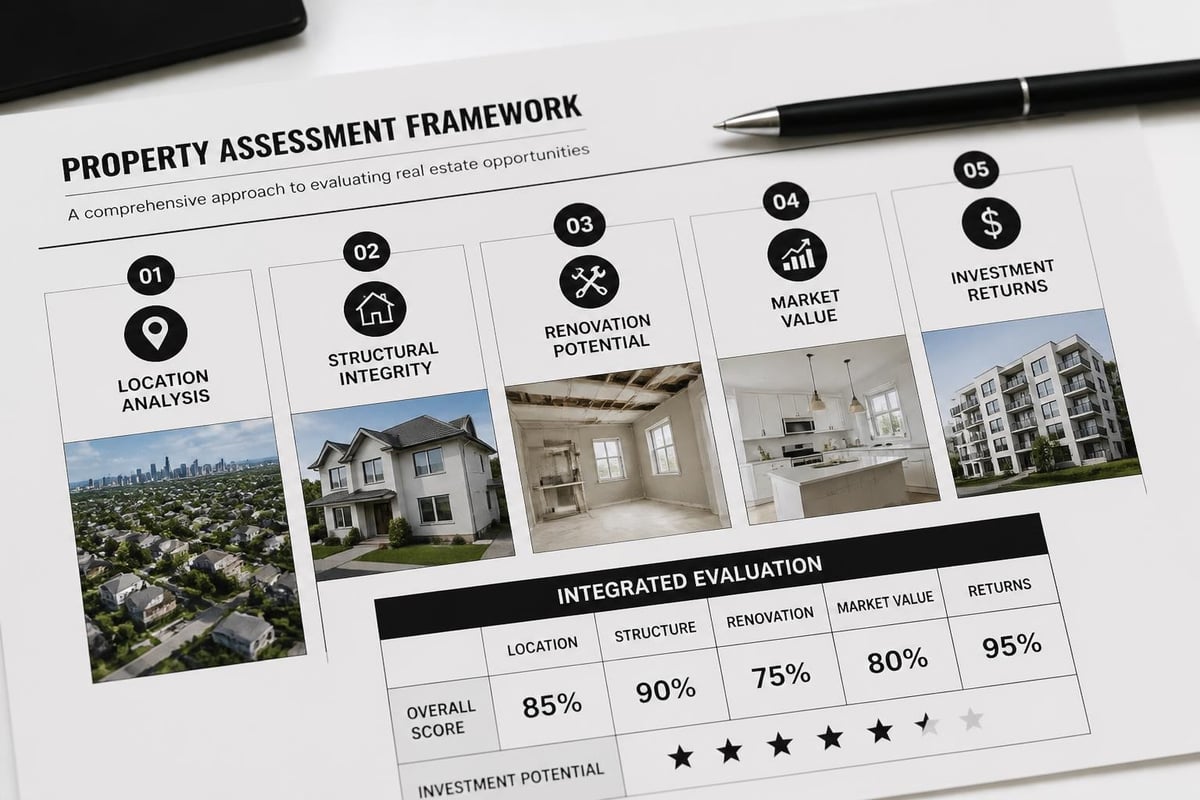
Identifying suitable properties demands systematic research and clear evaluation criteria. Establishing non-negotiable requirements versus desirable features helps filter options and prevents decision paralysis. Consider location factors including proximity to employment, schools, transport, and amenities alongside property-specific attributes.
When evaluating potential purchases in suburbs like Padstow, Revesby, and Panania, understanding local market dynamics provides competitive advantage. These established areas offer strong community connections, quality infrastructure, and proximity to Sydney while maintaining more accessible price points than inner-city alternatives. Working with local realtors who understand these specific markets provides insights that generic property searches cannot deliver.
Inspection and Due Diligence
Thorough property inspections protect buyers from costly surprises after settlement. Beyond the visual appeal of styled properties, professional building and pest inspections reveal structural issues, maintenance requirements, and potential problems that impact value and liveability.
Essential inspection elements include:
- Engaging qualified building inspectors for structural assessment
- Reviewing pest inspection reports for termite damage or risks
- Checking council records for compliance and zoning
- Investigating strata reports for unit and townhouse purchases
- Assessing renovation costs for properties requiring updates
The due diligence period following contract exchange provides time to complete these inspections and review findings with professionals. This cooling-off period offers protection by allowing withdrawal under specific conditions, though financial penalties may apply. Understanding these conditions before signing contracts prevents unpleasant surprises.
Negotiation Strategies That Deliver Results
Effective negotiation separates average outcomes from exceptional results when you buy and sale real estate. Whether representing yourself or working through an agent, understanding negotiation psychology and market leverage creates advantage. The resources from British Columbia Financial Services Authority highlight the importance of transparency and informed decision-making in property transactions.
Understanding Market Leverage
Market conditions determine negotiation leverage for buyers and sellers. In strong seller's markets with limited inventory, buyers compete aggressively and sellers maintain firm positions on price. Conversely, buyer's markets with abundant stock shift leverage toward purchasers who can negotiate discounts and favourable terms.
Recognising which market you're operating in determines appropriate strategy. In balanced markets, both parties must demonstrate flexibility to reach agreement. Understanding recent sale data, property time on market, and vendor motivation provides insight into available negotiation room. Properties listed for extended periods or sold by motivated vendors often present stronger negotiation opportunities than fresh listings in high-demand locations.
Communication and Relationship Building
Professional communication throughout negotiations builds trust and facilitates agreement. Aggressive tactics may win small battles while losing the larger war, particularly when multiple parties compete for the same property. Presenting yourself as a reliable, serious buyer or reasonable seller encourages cooperation rather than confrontation.
| Negotiation Phase | Buyer Strategy | Seller Strategy |
|---|---|---|
| Initial Offer | Research-backed reasonable offer | Clear communication of expectations |
| Counteroffers | Incremental increases with justification | Strategic concessions maintaining value |
| Due Diligence | Professional inspection feedback | Transparent disclosure of property condition |
| Final Terms | Decisive action when price agreed | Certainty over maximum price |
When working with experienced professionals who specialise in buy and sale real estate transactions, you benefit from their negotiation expertise and market knowledge. Agents like those focusing on residential property sales understand local market dynamics and buyer psychology, positioning their clients for optimal outcomes.
Financing and Settlement Procedures
Securing appropriate finance represents one of the most critical aspects of buy and sale real estate transactions for purchasers. Understanding available loan products, interest rate structures, and lending criteria ensures you select financing that aligns with your circumstances and goals.
Finance Options and Pre-Approval
Multiple lending options exist for property purchases, from traditional bank mortgages to specialist lenders and government-backed schemes. First home buyers may access specific programs offering stamp duty concessions and deposit assistance, making entry into the market more achievable. The national real estate resource frameworks provide comprehensive guidance on regulatory requirements across different jurisdictions.
Obtaining finance pre-approval before property hunting demonstrates seriousness to sellers and provides certainty about borrowing capacity. Pre-approval indicates a lender has assessed your financial situation and committed to lending a specific amount, subject to property valuation and final verification. This positions you to act quickly when suitable properties emerge, particularly in competitive markets where delays cost opportunities.
Finance preparation checklist:
- Gather employment verification and income documentation
- Calculate deposit amount including additional purchase costs
- Review credit history and address any issues
- Compare loan products across multiple lenders
- Understand total borrowing costs beyond headline rates
- Factor in ongoing mortgage payments within budget constraints
Settlement Process and Final Steps
Settlement represents the legal transfer of property ownership from seller to buyer, coordinated by solicitors or conveyancers representing both parties. This process involves verifying all contract conditions have been met, transferring funds, and updating property titles with government authorities.
The settlement period typically ranges from 30 to 90 days after contract exchange, providing time to arrange finance, complete inspections, and prepare for the transition. During this period, buyers finalise loan documentation, arrange insurance, and organise removalists. Sellers coordinate their own relocation and ensure the property remains in the agreed condition until handover.
Understanding these timelines and requirements reduces settlement day stress and prevents last-minute complications that could jeopardise the transaction.

Investment Considerations and Property Types
Those looking to buy and sale real estate for investment purposes require different considerations than owner-occupiers. Investment properties generate returns through rental income and capital appreciation, with tax implications and management responsibilities affecting overall profitability. Understanding real estate investing strategies helps investors select properties that align with their financial goals.
Evaluating Investment Potential
Assessing investment viability requires analysing multiple factors beyond simple purchase price. Rental yield, calculated as annual rental income divided by property value, indicates immediate cash flow returns. Capital growth potential, while harder to predict, often provides the majority of long-term investment returns for Australian property investors.
Location remains the primary determinant of both rental demand and capital appreciation. Properties in established suburbs with strong infrastructure, employment opportunities, and lifestyle amenities typically deliver more consistent returns than fringe locations dependent on future development. Areas like Revesby, Padstow, and Panania offer compelling investment propositions due to their proximity to Sydney, established communities, and ongoing infrastructure improvements.
Property Types and Target Markets
Different property types suit different investment strategies and target demographics. Units and townhouses typically offer lower entry prices and reduced maintenance responsibilities, appealing to first-time investors. Freestanding houses provide land value appreciation and attract family tenants, though require higher initial capital and ongoing maintenance.
| Property Type | Typical Yield | Capital Growth | Management Intensity |
|---|---|---|---|
| Units/Apartments | 4-6% | Moderate | Low |
| Townhouses | 3.5-5% | Moderate-High | Moderate |
| Houses | 3-4.5% | High | High |
| Duplexes | 4-5.5% | Moderate-High | Moderate |
Understanding these dynamics helps investors select properties matching their risk tolerance, available capital, and management capacity. Those seeking passive income may prefer newer units with minimal maintenance, while hands-on investors might target renovation opportunities in established areas with strong fundamentals.
Working With Real Estate Professionals
While some sellers explore for sale by owner options to save commission costs, most buyers and sellers benefit from professional representation when they buy and sale real estate. Experienced agents provide market knowledge, negotiation expertise, and transaction management that typically delivers better outcomes than independent efforts.
Selecting the Right Agent
Choosing an agent involves more than reviewing commission rates. The most effective agents combine local market expertise, proven sales records, and communication styles that match your preferences. Reviewing recent sales results in your specific suburb provides insight into an agent's ability to achieve premium prices and manage transactions efficiently.
When evaluating agents for buying homes or selling properties, consider their marketing approach, availability throughout the process, and references from previous clients. An agent specialising in your suburb and property type brings valuable connections to qualified buyers and understands the nuances that influence local property values.
Service Value and Cost Considerations
Agent commission rates typically range from 1.5% to 3% of the sale price, varying based on property value, market conditions, and services included. While commission represents a significant cost, effective agents deliver value that far exceeds their fees through superior marketing, skilled negotiation, and transaction management.
Understanding what services your commission covers ensures alignment between expectations and delivery. Premium agents provide comprehensive marketing campaigns, professional photography and videography, extensive database access, skilled negotiation, and seamless transaction coordination from listing to settlement.
Market Trends and Future Outlook
The Australian property market continues evolving in response to economic conditions, demographic shifts, and regulatory changes. Understanding these trends helps those looking to buy and sale real estate make informed decisions about timing and strategy. Interest rate movements, government policy changes, and infrastructure development all influence property values and market activity.
Current Market Dynamics in 2026
The 2026 Australian property market demonstrates resilience despite global economic uncertainties. Sydney's established suburbs maintain strong demand due to their proximity to employment, established infrastructure, and lifestyle amenities. Areas like Revesby, Padstow, and Panania continue attracting buyers seeking value in well-connected locations with strong community character.
Key market factors include:
- Interest rates stabilising after recent volatility
- Strong population growth maintaining housing demand
- Infrastructure projects improving connectivity and amenity
- First home buyer activity supported by government initiatives
- Investment demand remaining steady in quality locations
Understanding these dynamics helps buyers and sellers position themselves strategically. Those able to transact during market transitions often achieve the best outcomes, whether securing properties before anticipated price increases or listing during seasonal demand peaks.
Emerging Opportunities and Considerations
Future property opportunities increasingly focus on sustainability, technology integration, and lifestyle flexibility. Properties offering energy efficiency, smart home features, and flexible living spaces command premium prices and attract quality tenants. Understanding these preferences helps sellers position their properties competitively and buyers identify future-proof investments.
The growing emphasis on working from home has shifted buyer priorities toward properties with dedicated office spaces, outdoor areas, and proximity to local amenities rather than purely commute-based location decisions. This trend benefits established suburbs offering these attributes at more accessible price points than premium inner-city locations.
Successfully navigating buy and sale real estate transactions requires market knowledge, strategic planning, and expert guidance tailored to your specific circumstances and goals. Whether you're purchasing your first home, selling a family property, or investing in your future, working with professionals who understand your local market delivers superior outcomes. Steven Cirillo combines over 15 years of experience with deep knowledge of Padstow, Revesby, and Panania to help clients achieve exceptional results through honest communication, strategic marketing, and skilled negotiation. Contact Steven today to discuss how his detail-oriented approach and proven track record can help you achieve your property goals.