
The decision to buy and sell homes represents one of the most significant financial commitments most Australians will make throughout their lifetime. Whether you’re purchasing your first property, upgrading to accommodate a growing family, downsizing for retirement, or building an investment portfolio, understanding the complexities of the real estate market ensures you make informed decisions that align with your goals. The current property landscape continues to evolve, with 2026 presenting unique opportunities and challenges for both buyers and sellers navigating this dynamic environment.
Understanding the 2026 Property Market Landscape
The Australian housing market has entered a period of recalibration following years of unprecedented growth. According to Zillow’s 2026 housing market predictions, home values are expected to rise modestly by approximately 1.2%, with existing home sales projected to increase by 4.3%. This balanced environment creates favourable conditions for those looking to buy and sell homes, as the market stabilises and affordability improves gradually.
Market Dynamics Affecting Property Transactions
Several interconnected factors influence the ability to buy and sell homes successfully in today’s market. Interest rates, inventory levels, buyer demand, and economic conditions all play crucial roles in determining property values and transaction timelines.
Key market influences include:
Reserve Bank of Australia monetary policy decisions
Employment rates and wage growth trends
Construction costs and building material availability
Migration patterns and population growth
Consumer confidence indicators
The housing market forecast for 2026 suggests a balanced environment where supply and demand reach equilibrium, creating opportunities for strategic buyers and sellers alike.

Strategic Approaches for Home Sellers
Successfully selling a property requires more than simply listing it on the market. The process demands careful planning, strategic positioning, and expert execution to achieve premium results that exceed expectations.
Preparation and Property Presentation
First impressions determine whether potential buyers can envision themselves living in your property. Thorough preparation transforms ordinary homes into compelling opportunities that attract serious buyers and generate competitive offers.
Preparation Stage | Key Actions | Expected Impact |
|---|---|---|
Decluttering | Remove personal items, excess furniture | Creates spacious feel |
Repairs | Fix minor defects, replace worn fixtures | Eliminates buyer objections |
Presentation | Professional cleaning, styling | Maximises visual appeal |
Maintenance | Garden care, exterior touch-ups | Enhances kerb appeal |
Properties presented to market with professional attention to detail consistently outperform those sold in average condition. This investment in presentation often returns substantial dividends when buyers compete for a well-presented home.
Pricing Strategy and Market Positioning
Accurate property valuation forms the foundation of successful sales outcomes. Overpricing leads to extended marketing periods and eventual price reductions, whilst underpricing leaves money on the table. The optimal approach involves data-driven analysis of recent comparable sales, current market conditions, and unique property attributes.
Professional guidance from experienced agents ensures your property is positioned strategically within the market. In suburbs like Padstow, Revesby, and Panania, local expertise proves invaluable when determining the right pricing approach to maximise buyer interest and achieve outstanding results.
Essential Considerations for Property Buyers
The journey to property ownership requires careful planning, thorough research, and strategic decision-making. Understanding your financial position, identifying suitable properties, and navigating the purchase process with confidence are essential elements of successful acquisition.
Financial Preparation and Borrowing Capacity
Before commencing your property search, establishing your genuine borrowing capacity provides clarity around realistic purchase parameters. This involves more than simple online calculators; comprehensive financial assessment considers your income, existing debts, living expenses, and future commitments.
Critical financial preparation steps:
Obtain formal pre-approval from reputable lenders
Calculate total purchase costs including stamp duty and legal fees
Establish deposit funds and verify accessibility
Review credit history and address any concerns
Consider future interest rate scenarios and serviceability
First home buyers particularly benefit from professional guidance through this preparatory phase. Understanding available government assistance schemes, deposit requirements, and ongoing ownership costs ensures confident purchasing decisions.
Property Selection and Due Diligence
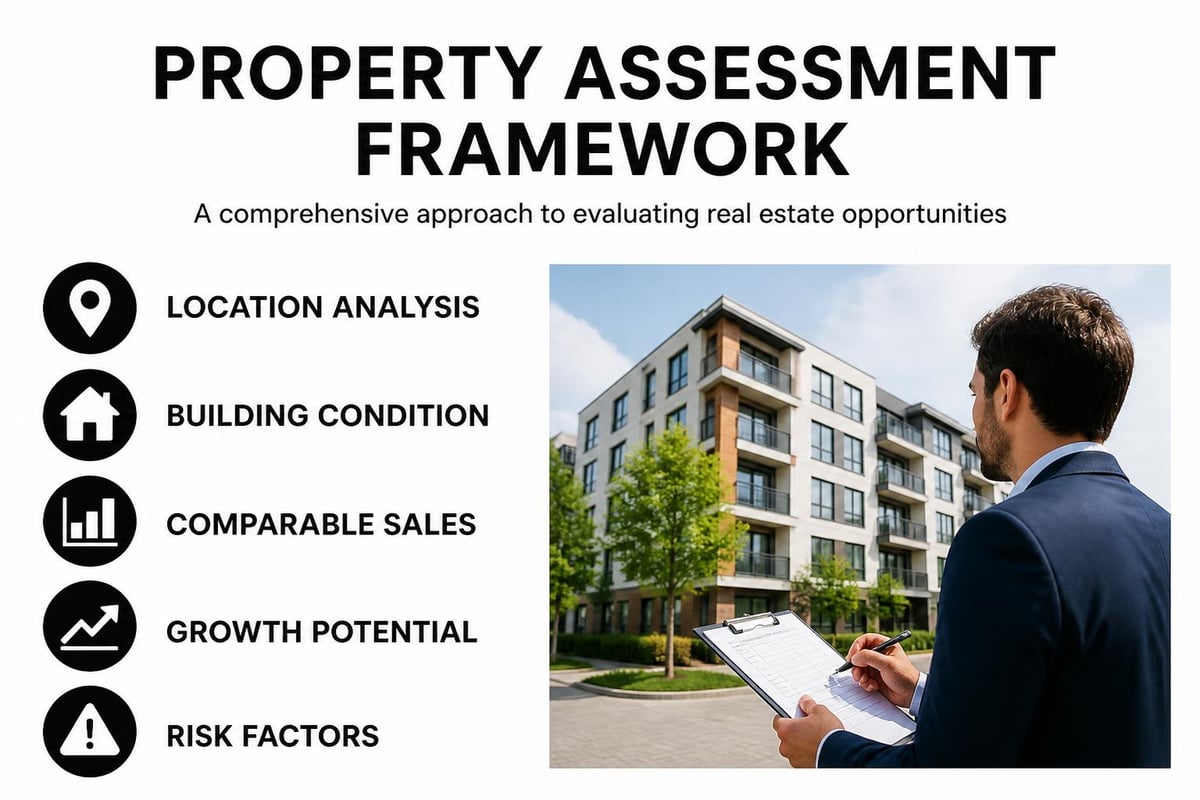
Identifying properties that align with your lifestyle requirements and investment criteria demands systematic evaluation. Location, property condition, future development potential, and comparative market value all require thorough assessment before making purchase commitments.
The inspection process extends beyond casual walkthroughs. Professional building and pest inspections reveal structural integrity, potential maintenance issues, and hidden defects that influence property value and future costs. This due diligence protects buyers from unexpected financial burdens and provides negotiation leverage when issues emerge.
Navigating Negotiations and Offers
Whether you buy and sell homes frequently or approach these transactions infrequently, negotiation skills significantly impact final outcomes. Understanding market psychology, recognising leverage points, and communicating effectively separates successful transactions from disappointing results.
Seller Negotiation Strategies
Multiple offer scenarios provide sellers with substantial negotiating power, though handling these situations requires finesse. Transparent communication with all interested parties maintains ethical standards whilst encouraging competitive bidding that drives prices upward.
Auction campaigns represent particularly effective methods for creating urgency and competition amongst buyers. When managed professionally, auctions generate remarkable results by establishing clear timelines and encouraging buyers to reveal their maximum positions on auction day.
Buyer Negotiation Approaches
Purchasers strengthen their negotiating position through thorough market research and clear understanding of comparable sales evidence. Emotional detachment, whilst challenging when you’ve identified your dream home, enables rational decision-making and prevents overpaying in competitive situations.
Effective buyer negotiation tactics include:
Demonstrating strong financial position with unconditional pre-approval
Identifying property weaknesses that justify price adjustments
Understanding vendor motivation and timeline constraints
Making clean offers with minimal conditions where appropriate
Maintaining alternative property options to avoid desperation
Marketing Excellence in Property Sales
The digital transformation of real estate marketing has revolutionised how properties reach potential buyers. Comprehensive marketing strategies now combine traditional methods with sophisticated digital channels to maximise exposure and generate qualified buyer interest.
Professional photography and video content have become non-negotiable elements of successful property marketing. High-quality visual presentation showcases properties in their best light, captures attention across online platforms, and generates higher enquiry volumes than amateur imagery.
Marketing Channel | Purpose | Effectiveness |
|---|---|---|
Premium portals | Mass market exposure | High reach |
Social media | Targeted demographics | Strong engagement |
Database marketing | Direct buyer matching | High conversion |
Print advertising | Local community awareness | Moderate reach |
Email campaigns | Nurture buyer interest | Consistent touchpoints |
Strategic property positioning requires understanding your target buyer demographic and tailoring messaging to resonate with their motivations. First home buyers respond differently to messaging than downsizers or investors, and effective marketing speaks directly to the intended audience.
Legal and Administrative Processes
The contractual and administrative elements of property transactions involve substantial complexity. Understanding your rights, obligations, and the sequential steps from offer acceptance through to settlement ensures smooth progress and prevents costly delays or disputes.
Documentation and Contractual Requirements
Standard contracts of sale contain numerous clauses that protect both parties’ interests. Cooling-off periods, special conditions, deposit arrangements, and settlement terms all require careful consideration before signing binding agreements.
Professional legal representation through conveyancers or property solicitors provides essential protection throughout the transaction. These specialists review contracts, conduct title searches, manage settlement procedures, and ensure all legal requirements are satisfied before ownership transfers.
Settlement and Ownership Transfer
The settlement process represents the final stage where ownership officially transfers and financial transactions complete. Coordination between multiple parties including buyers, sellers, agents, solicitors, and financial institutions ensures timely settlement on the agreed date.
Settlement preparation involves:
Final property inspection to verify condition
Confirmation of finance approval and fund availability
Transfer of deposit and balance payments
Exchange of title documents and property keys
Registration of ownership transfer with land titles office
Understanding these administrative requirements prevents last-minute complications that could delay or jeopardise successful transaction completion.

Regional Market Insights for Sydney’s Southwest
Local market knowledge proves invaluable when making property decisions. Understanding suburb-specific trends, infrastructure developments, community demographics, and growth patterns helps both buyers and sellers make informed choices that align with long-term objectives.
The southwestern Sydney corridor continues demonstrating strong fundamentals driven by infrastructure investment, population growth, and relative affordability compared to inner-city alternatives. Suburbs including Padstow, Revesby, and Panania offer established communities with excellent amenities, transport connections, and diverse housing stock.
Infrastructure and Development Impact
Major infrastructure projects significantly influence property values and buyer demand. The ongoing expansion of transport networks, educational facilities, and commercial developments creates opportunities for capital growth and enhanced lifestyle amenity.
Buyers targeting these growth corridors position themselves to benefit from improving infrastructure and increasing demand. Sellers in these areas can leverage development momentum when marketing properties to investors and homebuyers seeking long-term value.
Investment Property Considerations
Those looking to buy and sell homes for investment purposes face additional considerations beyond owner-occupier transactions. Rental yields, capital growth potential, tax implications, and property management requirements all influence investment property decisions.
Analysing Investment Metrics
Successful property investment relies on thorough financial analysis rather than emotional attachment. Gross rental yields, net returns after expenses, vacancy rates, and projected capital appreciation provide quantitative foundations for investment decisions.
Comparing potential investments requires standardised metrics that account for all costs including loan interest, property management fees, maintenance, insurance, council rates, and strata levies where applicable. Only after deducting these expenses can investors accurately assess true investment performance.
Key investment considerations:
Target demographic and rental demand stability
Property condition and future maintenance requirements
Tax deductibility of expenses and depreciation benefits
Capital growth prospects based on area fundamentals
Exit strategy and future resale potential
Understanding the most in-demand housing markets provides context for investment decisions, though Australian markets operate under distinct conditions requiring localised analysis.
Timing Your Property Transaction
Market timing significantly influences outcomes when you buy and sell homes, though attempting to perfectly time market peaks and troughs proves notoriously difficult even for experienced investors. Understanding seasonal patterns, economic cycles, and personal circumstances helps determine optimal transaction timing.
Seasonal Market Patterns
Australian property markets typically demonstrate predictable seasonal variations. Spring traditionally brings increased listings and buyer activity, creating competitive environments favouring sellers. Conversely, winter markets often see reduced competition, potentially benefiting strategic buyers.
However, individual circumstances should outweigh seasonal considerations. Life changes including family expansion, employment relocation, or financial requirements often necessitate transactions regardless of seasonal timing. The current market trends for 2026 suggest balanced conditions that support transactions throughout the year.
Economic Cycle Considerations
Property markets operate in cycles influenced by broader economic conditions. Periods of economic growth typically correlate with rising property values and increased transaction volumes, whilst economic uncertainty can suppress activity and pricing.
The key to successful timing involves understanding current cycle positioning and making decisions aligned with personal financial capacity rather than speculating on future market movements. Long-term property ownership generally smooths short-term market fluctuations, making immediate timing less critical for permanent residence purchases.
Common Mistakes and How to Avoid Them
Both buyers and sellers frequently encounter preventable obstacles that compromise transaction success. Learning from common mistakes enables smoother processes and superior outcomes when you buy and sell homes.
Seller Pitfalls
Unrealistic pricing expectations represent the most common seller mistake. Emotional attachment often clouds objective valuation, leading to overpricing that extends marketing campaigns and ultimately necessitates price reductions. This approach costs sellers time, money, and often results in lower final prices than realistic initial positioning would achieve.
Inadequate property preparation similarly undermines selling success. Properties presented in poor condition signal deferred maintenance to buyers, who respond by either avoiding the property entirely or making heavily discounted offers that account for required improvements.
Buyer Errors
Insufficient financial preparation causes buyer disappointment when pre-approved borrowing capacity falls short of expectations or when unexpected costs emerge during the purchase process. Comprehensive financial planning before commencing property searches prevents these frustrations.
Skipping professional inspections to save modest costs potentially exposes buyers to substantial undisclosed defects. Building and pest inspections represent essential protection, revealing issues that inform purchase decisions or provide negotiation leverage for price adjustments.
Emotional purchasing without adequate due diligence leads to buyer’s remorse and potential financial hardship. Maintaining objective evaluation criteria and conducting thorough research protects against impulse decisions based on superficial appeal rather than genuine value.
Professional Guidance and Expert Support
The complexity inherent in property transactions makes professional guidance invaluable. Experienced real estate agents bring market knowledge, negotiation skills, administrative expertise, and established networks that streamline processes and enhance outcomes for both buyers and sellers.
For those seeking comprehensive guidance through the buying journey, professional support ensures informed decisions at every stage. From initial market assessment through to final settlement, expert advisors navigate complexities and advocate for client interests throughout the transaction.
Seller representation through professional agents delivers multiple advantages beyond simple property advertising. Strategic marketing campaigns, buyer database access, negotiation expertise, and administrative management combine to maximise sale prices whilst minimising seller stress and time investment.
Technology’s Role in Modern Real Estate
Digital transformation continues reshaping how Australians buy and sell homes. Virtual property tours, digital contract signing, online auction platforms, and sophisticated property search tools have become standard features of contemporary real estate transactions.
These technological advances improve transparency, increase efficiency, and expand market reach beyond traditional geographic limitations. Buyers can now explore properties remotely before committing to physical inspections, whilst sellers benefit from broader exposure to potential purchasers.
However, technology complements rather than replaces the human expertise essential for successful property transactions. Professional judgment, local market knowledge, and skilled negotiation remain irreplaceable elements that technology supports but cannot duplicate.
Future Outlook and Emerging Trends
Looking ahead, several emerging trends will influence how Australians buy and sell homes in coming years. Sustainability considerations, flexible working arrangements impacting location preferences, and evolving buyer demographics all shape future market dynamics.
Market predictions suggest continued stability with modest growth and improving affordability creating opportunities across various buyer segments. This balanced environment supports sustainable market health rather than the volatility that characterises boom and bust cycles.
Environmental performance and energy efficiency increasingly influence property values as buyers prioritise running costs and sustainability credentials. Properties with solar installations, efficient heating and cooling systems, and sustainable design features command premium prices and attract environmentally conscious purchasers.
The rise of remote and hybrid working arrangements expands location flexibility for many buyers, enabling consideration of previously impractical suburbs that offer better value, larger properties, or preferred lifestyle amenities whilst maintaining employment in traditional commercial centres.
Successfully navigating property transactions requires thorough preparation, strategic planning, and informed decision-making at every stage. Whether you’re entering the market for the first time or have experience with multiple transactions, understanding current market dynamics and avoiding common pitfalls ensures optimal outcomes. For personalised guidance to buy and sell homes across Padstow, Revesby, Panania, and surrounding suburbs, Steven Cirillo combines local expertise with proven strategies to deliver exceptional results and remarkable service throughout your property journey.
Add a Comment
You must be logged in to post a comment