
When researching property agencies and real estate professionals, the name gibson realty appears across various contexts-from major international settlements to established regional agencies. Understanding the different gibson realty entities and their impact on the broader property market provides valuable insights for both buyers and sellers navigating today's competitive landscape. Whether you're examining industry trends, commission structures, or expansion strategies, the gibson realty story offers important lessons about how real estate agencies evolve and adapt to market demands.
The Gibson Realty Landscape: Multiple Entities, Distinct Markets
The term gibson realty doesn't refer to a single organisation but rather several distinct entities operating across different markets and jurisdictions. This reality often creates confusion for property seekers and industry professionals alike, making it essential to distinguish between the various organisations carrying this name.
International Presence and Brand Recognition
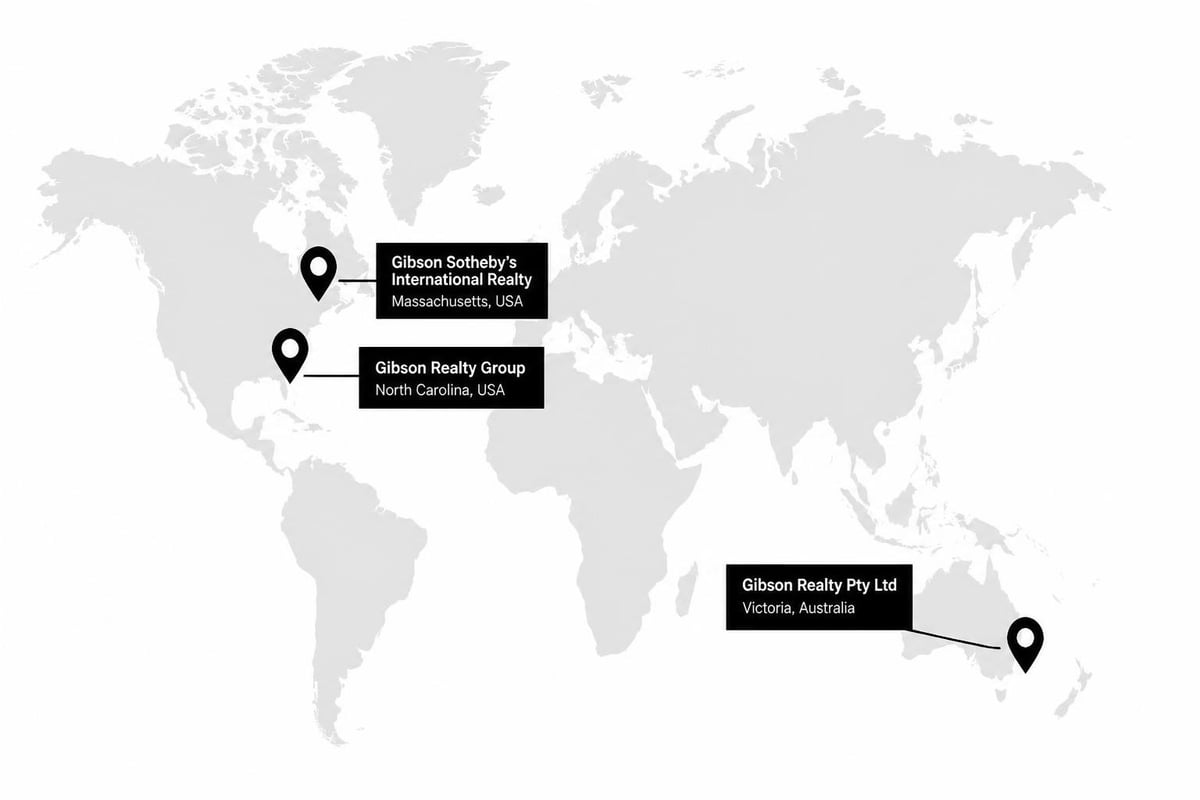
Gibson Sotheby’s International Realty represents one of the most prominent gibson realty brands, operating primarily in Massachusetts with additional offices throughout New England. This organisation has demonstrated aggressive expansion strategies, including acquiring Advisors Living to strengthen its Massachusetts footprint and more recently acquiring the Madden Group to expand into New Hampshire.
The Sotheby's International Realty affiliation provides significant brand leverage, connecting local market expertise with global luxury property networks. This dual advantage allows the organisation to serve both local homeowners and international buyers seeking premium properties in sought-after New England locations.
In contrast, United Country Gibson Realty focuses on residential, recreational, and agricultural property sales, serving a distinctly different market segment. Meanwhile, Gibson Realty Pty Ltd in Victoria, Australia operates within the Australian property landscape, demonstrating that the gibson realty name spans continents and market segments.
Industry Impact: The Gibson Commissions Settlement
Beyond individual agencies, gibson realty gained significant attention through the Gibson commissions case, which fundamentally challenged traditional commission structures across the American real estate industry. This landmark legal action resulted in substantial settlements and sparked widespread discussions about transparency and fairness in agent compensation.
Settlement Outcomes and Industry Response
The final approval of $39.7 million in commission settlements involving five brokerages marked a pivotal moment for the industry. Multiple major players, including EXIT Realty, reached agreements addressing antitrust claims related to buyer agent compensation.
The settlement's ripple effects extend far beyond the immediate financial implications:
- Commission transparency: Increased pressure for clear disclosure of how agent fees are structured and paid
- Buyer representation agreements: More explicit documentation of buyer-agent relationships and compensation arrangements
- Market adaptation: Agencies worldwide examining their own commission practices and disclosure policies
- Consumer awareness: Greater public understanding of how real estate commissions work and who ultimately pays them
| Settlement Aspect | Traditional Approach | Post-Settlement Shift |
|---|---|---|
| Commission disclosure | Often opaque | Mandatory transparency |
| Buyer representation | Implied arrangements | Written agreements |
| Fee negotiation | Limited discussion | Open conversation |
| Industry standards | Established norms | Evolving practices |
For Australian agents and agencies, including Steven Cirillo’s residential property sales approach, these international developments serve as important reference points. While Australian commission structures operate under different regulatory frameworks, the global trend towards transparency and client-focused service remains highly relevant.
Strategic Expansion: Lessons from Gibson Realty Growth
The expansion strategies employed by various gibson realty entities offer valuable insights into how successful agencies build market dominance and client trust. Growth through acquisition, brand affiliation, and market specialisation represents distinct pathways to increased market share.
Acquisition-Driven Growth Models
Gibson Sotheby's International Realty's acquisition strategy demonstrates how established agencies can rapidly expand their geographical footprint whilst maintaining service quality. By acquiring existing successful agencies like Advisors Living and Madden Group, they gained instant access to:
- Established agent networks with proven track records
- Existing client databases and referral relationships
- Local market knowledge and community connections
- Additional office locations in strategic markets
This approach differs significantly from organic growth, where agencies gradually build presence through individual agent recruitment and new office establishment. Each method carries distinct advantages and challenges.

Specialisation and Market Positioning
Different gibson realty organisations have carved out distinct market niches, demonstrating that specialisation often trumps generalisation in competitive property markets. Agricultural and recreational property specialists serve fundamentally different clients than luxury residential agencies, requiring different expertise, marketing approaches, and professional networks.
For local agents serving specific suburbs and communities, this specialisation principle remains crucial. Understanding local market dynamics and developing deep expertise in particular property types or geographical areas creates sustainable competitive advantages that large national agencies struggle to replicate.
Commission Structures and Transparency in Modern Real Estate
The gibson realty commission cases highlighted fundamental questions about how agents are compensated and who ultimately bears these costs. These questions resonate strongly with Australian property sellers and buyers seeking to understand the true costs of professional representation.
Understanding Agent Compensation Models
Real estate agents typically receive compensation through commission-based structures, though the specific arrangements vary considerably across markets and jurisdictions. The key elements include:
- Listing commission percentage: The total fee agreed upon between seller and listing agent
- Commission split arrangements: How fees are divided between listing and buyer agents
- Brokerage splits: The portion retained by the agency versus paid to individual agents
- Value-based variations: Premium services or exceptional results sometimes commanding higher fees
Transparency around these structures benefits everyone involved in property transactions. Sellers gain clarity about what they're paying for, buyers understand how their agents are compensated, and agents can justify their value through clear communication about services provided.
| Commission Element | Traditional Opacity | Modern Transparency |
|---|---|---|
| Total fee | Often assumed | Clearly stated upfront |
| Service inclusions | Vaguely described | Detailed service agreements |
| Performance metrics | Rarely discussed | Results-based justification |
| Negotiability | Discouraged | Open to discussion |
When working with experienced agents who provide comprehensive marketing strategies, commission structures should reflect the substantial expertise, time investment, and resources dedicated to achieving optimal sale results. The value equation extends far beyond simply facilitating a transaction.
Technology Integration and Market Evolution
Modern gibson realty entities and successful independent agents alike recognise that technology integration no longer represents optional enhancement but essential infrastructure for competitive property marketing and client service.
Digital Marketing and Property Exposure
Contemporary property marketing requires sophisticated digital strategies encompassing:
- Professional photography and video production showcasing property features
- Virtual tours and 3D walkthroughs enabling remote property inspection
- Targeted social media advertising reaching specific buyer demographics
- Email marketing campaigns to qualified buyer databases
- Premium property portal placement maximising visibility
These technological tools level certain competitive playing fields whilst simultaneously raising client expectations about professional presentation standards. Agencies investing in quality marketing infrastructure deliver measurably superior results compared to those relying on minimal promotion approaches.
The best estate agents understand that comprehensive marketing investment generates competitive buyer interest, which ultimately drives premium sale prices that more than justify the associated costs.
Client Service Excellence in Competitive Markets
Regardless of brand affiliation or market focus, successful real estate professionals share common characteristics centred on exceptional client service and measurable results delivery. The gibson realty story, in its various forms, underscores these fundamental success factors.
Communication and Transparency Standards
Outstanding agents maintain consistent, honest communication throughout the entire property transaction process. This means:
- Regular progress updates: Scheduled communications about buyer feedback, market response, and campaign adjustments
- Honest market assessments: Realistic pricing advice based on comparable sales data rather than inflated estimates designed to win listings
- Clear expectation setting: Transparent discussions about likely timeframes, competitive challenges, and strategic approaches
- Responsive availability: Prompt responses to client questions and concerns demonstrating genuine commitment

These service standards apply equally whether working with first home buyers navigating their initial property purchase or experienced investors building substantial portfolios. Professional standards remain constant regardless of transaction size or client experience level.
Results-Focused Professional Approach
The ultimate measure of real estate excellence lies in achieved outcomes rather than promised intentions. Superior agents consistently deliver:
- Above-market sale prices: Strategic pricing and marketing generating competitive buyer interest that drives premium results
- Optimal sale timing: Campaign management achieving settlement within desired timeframes without unnecessary delays
- Smooth transaction processes: Professional coordination of inspections, contracts, and settlement procedures minimising client stress
- Post-sale satisfaction: Client relationships extending beyond individual transactions into long-term advisory partnerships
Examining sold properties and verifiable results provides far more reliable insight into agent capabilities than marketing claims or brand associations alone. Evidence-based decision making serves property sellers and buyers far better than assumptions or recommendations lacking substantive support.
Market Specialisation and Local Expertise
The diversity among gibson realty entities highlights an important industry reality: successful real estate practice requires genuine expertise in specific markets, property types, or client segments rather than superficial familiarity across overly broad territories.
Geographical Focus Benefits
Agents concentrating on particular suburbs, regions, or communities develop invaluable advantages including:
- Comparable sales knowledge: Detailed awareness of recent transactions informing accurate price guidance
- Buyer network development: Established relationships with active purchasers seeking properties in specific areas
- Community connections: Local relationships with solicitors, building inspectors, tradespersons, and other transaction facilitators
- Infrastructure understanding: Knowledge of schools, transport, shopping, and amenities influencing property values
- Development awareness: Insight into planned infrastructure or zoning changes affecting future property values
This geographical specialisation enables real estate professionals to provide substantially more valuable advice than generalist agents covering excessive territories without developing genuine local expertise. Property sellers benefit directly from this concentrated knowledge through superior marketing strategies and buyer targeting approaches.
Property Type Expertise
Beyond geographical focus, specialisation in particular property categories creates additional competitive advantages. Luxury property marketing requires fundamentally different approaches than first home buyer properties. Investment properties demand different buyer profiles than family homes. Auction strategies vary considerably across property types and price points.
Agents developing deep expertise in specific property segments can better serve clients seeking those particular properties. This specialisation principle explains why Residential Property Sales specialists focusing on defined territories consistently outperform generalists attempting to serve all markets simultaneously.
Industry Trends Shaping Future Real Estate Practice
The legal, technological, and market forces affecting gibson realty entities provide insight into broader trends reshaping real estate practice across all markets and jurisdictions. Understanding these trends helps property sellers and buyers make informed decisions about agent selection and transaction approaches.
Regulatory Evolution and Compliance
Increasing regulatory scrutiny across real estate industries worldwide reflects consumer protection priorities and market integrity concerns. Key regulatory trends include:
- Mandatory disclosure requirements about agency relationships and potential conflicts
- Stricter licensing standards and continuing education requirements for practising agents
- Enhanced consumer complaint mechanisms and disciplinary procedures
- Transparency requirements around commission structures and marketing costs
These regulatory developments generally benefit consumers through increased protection whilst requiring agents to maintain higher professional standards. The net effect strengthens industry professionalism and client confidence.
Market Dynamics and Economic Factors
Property markets never remain static, with various economic factors continuously influencing buyer behaviour, price movements, and transaction volumes. Successful agents monitor:
- Interest rate movements affecting borrowing capacity and buyer activity
- Supply and demand dynamics within specific suburbs and price brackets
- Economic indicators influencing consumer confidence and employment stability
- Migration patterns and demographic shifts affecting housing preferences
- Infrastructure development and planning decisions impacting property values
Understanding these broader market forces enables agents to provide valuable strategic advice about optimal timing, pricing approaches, and realistic outcome expectations. Top agents synthesise complex market information into clear, actionable guidance for their clients.
Professional Networks and Industry Relationships
Successful real estate practice extends beyond individual agent capabilities to encompass professional networks and collaborative relationships. The gibson realty expansion strategies demonstrate how established networks create substantial value for clients.
Referral Networks and Buyer Databases
Experienced agents develop extensive networks including:
- Previous clients: Past customers providing referrals and repeat business
- Active buyer databases: Qualified purchasers seeking properties matching specific criteria
- Industry professionals: Mortgage brokers, solicitors, and financial advisers referring clients
- Community connections: Local business owners and residents familiar with the agent's reputation
These networks prove particularly valuable when selling homes by providing immediate access to qualified buyers actively seeking properties. Off-market opportunities and pre-auction sales frequently emerge through established buyer databases developed over years of professional practice.
Professional Development and Industry Engagement
Outstanding agents invest continuously in professional development through:
- Industry training programmes expanding technical knowledge and skills
- Market research and data analysis tools improving strategic advice quality
- Professional association memberships maintaining industry connections
- Conference attendance and peer learning opportunities
This commitment to ongoing improvement distinguishes exceptional professionals from those merely maintaining minimum licensing requirements. Clients benefit directly from working with agents committed to continuous excellence rather than complacent mediocrity.
Selecting the Right Agent for Your Property Goals
Understanding the gibson realty landscape and broader industry dynamics ultimately serves one practical purpose: enabling informed decisions about agent selection when buying or selling property. Several key criteria warrant careful consideration.
Evaluation Criteria for Agent Selection
When assessing potential agents, prioritise:
| Selection Factor | What to Evaluate | Why It Matters |
|---|---|---|
| Local expertise | Recent sales in your suburb | Accurate pricing and buyer targeting |
| Marketing approach | Comprehensive strategy details | Maximum property exposure |
| Communication style | Responsiveness and clarity | Stress-free transaction experience |
| Proven results | Verifiable sale outcomes | Confidence in capabilities |
| Professional standards | Industry reputation | Transaction integrity |
The best property professionals welcome detailed questions about their approach, provide verifiable evidence of past results, and demonstrate genuine interest in understanding your specific goals and circumstances. Superficial promises or reluctance to discuss strategy details should raise immediate concerns.
Questions to Ask Prospective Agents
Before engaging any real estate professional, seek clear answers about:
- What specific marketing activities will promote the property?
- How many properties have you sold in this suburb during the past 12 months?
- What sale price range do you recommend based on recent comparable sales?
- How will you keep me informed throughout the campaign?
- What makes your approach different from other local agents?
Thoughtful, detailed responses demonstrate genuine expertise and professional commitment. Vague generalisations or evasive answers suggest insufficient preparation or questionable capabilities.
Value Beyond Transaction Facilitation
The most accomplished real estate professionals provide value extending far beyond simple transaction facilitation. This comprehensive service approach explains why premium agents consistently achieve superior results justifying their professional fees.
Strategic Advisory Services
Exceptional agents function as trusted advisers providing:
- Market timing guidance: Recommendations about optimal periods for listing based on seasonal patterns and market conditions
- Property preparation advice: Suggestions for cost-effective improvements enhancing appeal and sale prices
- Pricing strategy: Sophisticated analysis determining competitive yet ambitious pricing approaches
- Negotiation expertise: Skilled buyer management maximising final sale prices through strategic negotiation
These advisory services create measurable value through enhanced sale outcomes and improved client experiences. The differential between average and exceptional agents often amounts to tens of thousands of dollars in final sale prices.
Long-Term Client Relationships
Outstanding agents view each transaction as the foundation for ongoing relationships rather than isolated commercial exchanges. This long-term perspective manifests through:
- Post-sale follow-up ensuring client satisfaction and addressing any settlement issues
- Periodic market updates keeping previous clients informed about property values
- Referral willingness connecting clients with trusted professionals for related needs
- Future transaction readiness when clients subsequently buy or sell additional properties
This relationship-focused approach benefits both agents and clients through mutual trust, repeat business, and quality referrals. The excellent agents building substantial practices invariably prioritise relationships over short-term transaction volumes.
The gibson realty story, in its various international and local forms, illustrates fundamental real estate principles about specialisation, transparency, professional service, and measurable results. Whether examining major acquisitions, landmark commission settlements, or individual agency practices, consistent themes emerge around client-focused service and demonstrated expertise. If you're considering buying or selling property in Padstow, Revesby, Panania, or surrounding suburbs, working with a dedicated local specialist ensures you receive the strategic guidance, comprehensive marketing, and exceptional service required to achieve outstanding outcomes. Steven Cirillo combines extensive industry experience with detailed local market knowledge to deliver impressive returns and remarkable customer service throughout your property journey.