
Identifying good real estate requires far more than simply finding a house with appealing aesthetics or a low price point. Whether you're a first home buyer navigating the Sydney market or an experienced investor expanding your portfolio, understanding what separates exceptional properties from mediocre ones is crucial to making sound decisions. Good real estate combines tangible factors like structural integrity and location with intangible qualities such as neighbourhood character and future growth potential. This comprehensive approach to property evaluation helps buyers secure assets that deliver both immediate satisfaction and long-term value appreciation across suburbs like Revesby, Padstow, and Panania.
The Foundation: Structural Quality and Construction Standards
The physical integrity of a property forms the bedrock of good real estate. Structural soundness isn't simply about avoiding obvious defects-it encompasses the quality of materials, craftsmanship standards, and compliance with building codes that ensure longevity and safety.
Assessing Construction Quality
Properties built to high construction standards maintain their value far better than those with shortcuts or inferior materials. According to Fannie Mae’s property condition and construction quality guidelines, lenders assess structural integrity, foundation stability, roof condition, and mechanical systems when evaluating properties for financing.
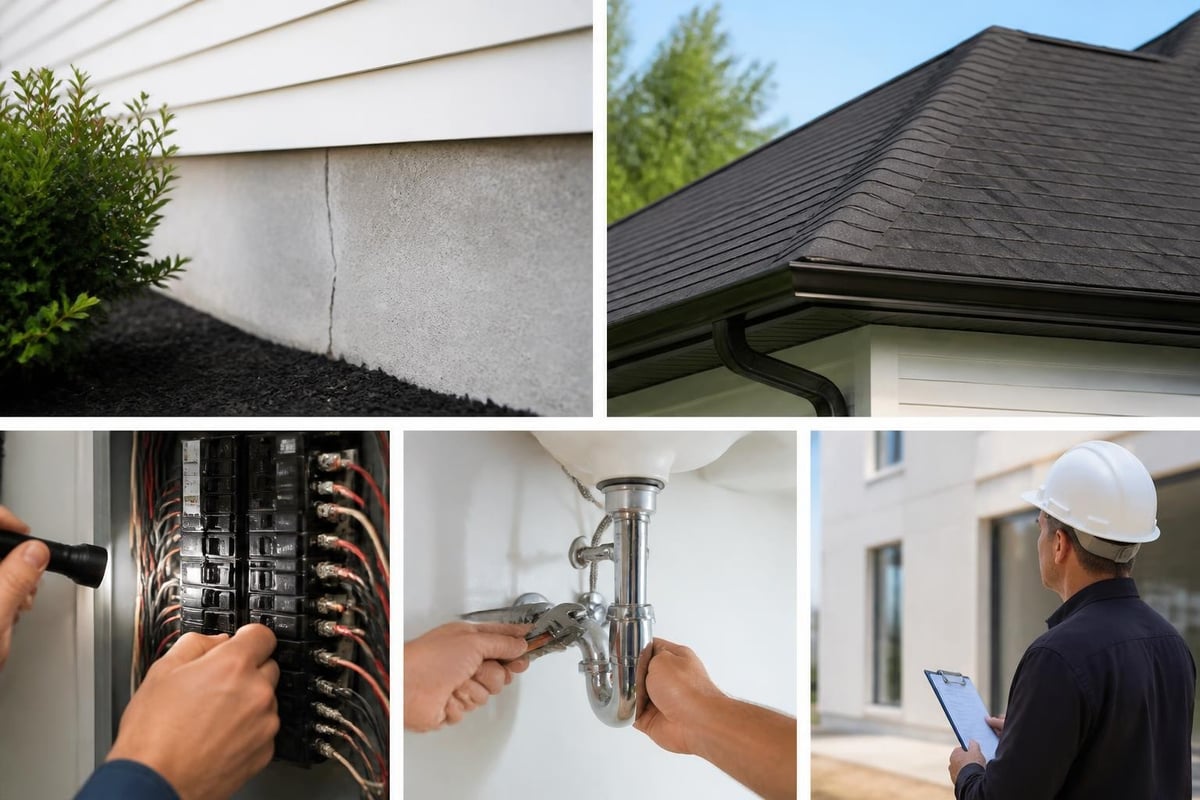
Key structural elements to evaluate:
- Foundation stability and absence of major cracking or subsidence
- Roof condition, including age, material quality, and waterproofing
- Electrical systems meeting current safety standards
- Plumbing infrastructure free from leaks or corrosion
- Load-bearing walls and frames constructed to code
The 2023 American Housing Survey data reveals that housing quality concerns-including structural deficiencies, inadequate heating, and water intrusion-directly impact property values and buyer confidence. Australian properties face similar scrutiny, with building inspections uncovering issues that can derail sales or necessitate significant price reductions.
Age Versus Quality
Older properties aren't automatically inferior to new builds. Many established homes in suburbs like Revesby were constructed during periods emphasising solid craftsmanship, featuring hardwood frames, quality brickwork, and generous room proportions. However, older properties require careful inspection to identify necessary updates to electrical, plumbing, and insulation systems.
Conversely, newer properties offer modern energy efficiency, contemporary layouts, and current code compliance but may lack the character and established gardens of older homes. Good real estate exists across all age categories-the critical factor is maintenance history and the relationship between age and condition.
Location Dynamics: The Unchangeable Variable
The adage that location determines everything holds considerable truth in real estate evaluation. Unlike renovations or extensions that can transform a property's physical attributes, location remains fixed. Understanding location quality requires analysing multiple layers of geographic, economic, and social factors.
Proximity and Accessibility
Good real estate benefits from strategic positioning relative to essential services and infrastructure. Properties within reasonable distance of quality schools, healthcare facilities, shopping centres, and employment hubs consistently outperform isolated alternatives.
| Location Factor | Impact on Value | Measurement Criteria |
|---|---|---|
| School zones | High | Distance to top-performing schools, enrolment boundaries |
| Public transport | Moderate to High | Walking distance to stations, service frequency, connection quality |
| Shopping amenities | Moderate | Proximity to major centres, local shops, services |
| Employment hubs | Moderate | Commute time to CBDs, business parks, industrial areas |
| Healthcare access | Moderate | Distance to hospitals, medical centres, emergency services |
The Federal Housing Finance Agency House Price Index demonstrates that location-based price appreciation varies significantly across metropolitan areas, with well-connected suburbs experiencing stronger sustained growth than peripheral locations.
Neighbourhood Character and Stability
Beyond practical considerations, neighbourhood character profoundly influences whether real estate qualifies as "good." Established communities with stable demographics, active residents' associations, and pride of ownership create environments where property values remain resilient even during broader market corrections.
Research available through the National Association of REALTORS® housing supply and affordability data indicates that neighbourhood stability correlates with lower price volatility and stronger buyer demand. Areas with low turnover rates, minimal deferred maintenance, and cohesive streetscapes signal desirable locations where good real estate thrives.
Market Performance and Investment Potential
While emotional factors influence home-buying decisions, good real estate must also demonstrate sound investment fundamentals. Properties functioning as both homes and financial assets require evaluation through multiple performance lenses.
Historical and Projected Appreciation
Markets experiencing consistent, sustainable growth offer superior long-term value compared to volatile areas prone to boom-bust cycles. Examining historical price data reveals patterns that inform future expectations, though past performance never guarantees future results.
Zillow’s buyer behaviour research and housing market trends highlights that informed buyers increasingly rely on data-driven analysis when assessing property potential. Suburbs demonstrating steady annual appreciation between 3-7% typically balance growth with affordability, avoiding speculative bubbles whilst building equity.
Indicators of strong investment potential:
- Consistent population growth driven by employment opportunities
- Infrastructure investment including transport upgrades and civic facilities
- Diversified economic base preventing over-reliance on single industries
- Planning policies supporting controlled development and amenity protection
- Rental vacancy rates below 3%, indicating housing demand strength
Rental Yield Considerations for Investors
For investment-focused buyers, rental yield provides crucial insight into income-generating potential. Good real estate for investors balances capital growth prospects with reliable rental returns, creating dual income and appreciation pathways.
Properties in Padstow, Revesby, and Panania offer compelling investment metrics due to their proximity to employment centres, transport infrastructure, and family-friendly amenities that attract stable tenant demographics. Calculating gross rental yield (annual rent divided by purchase price) helps compare opportunities, whilst net yield accounting for expenses provides realistic return expectations.

Land Value and Site Potential
The land component frequently accounts for a significant portion of property value, particularly in established suburbs where location scarcity drives competition. Good real estate maximises land utility whilst preserving future development options.
Block Size and Configuration
Generous land allotments provide flexibility for extensions, pools, landscaping, and potential subdivision subject to council regulations. Quarter-acre blocks common in established Sydney suburbs offer space increasingly rare in newer developments, contributing to enduring appeal.
However, oversized blocks in areas zoned for higher density may face future development pressure, potentially affecting neighbourhood character. Conversely, compact blocks in tightly held suburbs maintain value through location quality rather than size.
Zoning and Development Rights
Understanding zoning regulations helps identify properties with inherent flexibility. Good real estate in residential zones permits appropriate additions, secondary dwellings, or home businesses whilst restricting incompatible commercial or industrial uses that might diminish liveability.
Properties bordering zones earmarked for future rezoning present both opportunity and risk. Whilst development potential may increase land value, proximity to higher-density projects can impact privacy, parking, and neighbourhood amenity. Researching council master plans and development applications provides essential context for evaluating these considerations.
Lifestyle Factors and Liveability
Beyond financial metrics, good real estate must support residents' daily lives, recreational pursuits, and personal values. Liveability encompasses diverse factors that collectively determine whether a property feels like home.
Natural Amenity and Environmental Quality
Access to parks, waterways, nature reserves, and recreational facilities enhances daily life whilst supporting physical and mental wellbeing. Properties near quality green space consistently command premiums, reflecting buyer preference for balanced urban environments.
Environmental factors including air quality, noise levels, and flood risk directly impact liveability. Properties on flight paths, near industrial zones, or in identified flood zones may trade at discounts relative to comparable homes in quieter, safer locations. Climate resilience-through elevation, drainage, and heat mitigation-grows increasingly important as extreme weather events become more frequent.
Community Facilities and Social Infrastructure
Thriving communities offer libraries, community centres, sports facilities, cultural venues, and civic gathering spaces that foster connection and belonging. Good real estate exists within neighbourhoods supporting these social infrastructure elements, creating environments where residents feel invested in collective success.
The presence of quality childcare, before-and-after school programs, youth services, and aged care facilities indicates community maturity and demographic diversity. These services support households across life stages, contributing to neighbourhood stability and sustained housing demand.
Property Configuration and Functional Design
Internal layout significantly influences how properties function for daily living. Good real estate offers practical, adaptable spaces that accommodate evolving household needs without requiring extensive structural modifications.
Floor Plan Efficiency
Well-designed properties maximise usable space whilst minimising wasted circulation areas. Effective floor plans create logical flow between living, dining, and kitchen zones, position bedrooms away from entertaining areas for privacy, and provide adequate storage throughout.
Characteristics of functional floor plans:
- Natural light penetration to primary living areas
- Kitchen visibility to outdoor and living spaces
- Adequate bedroom separation for privacy
- Multiple living zones supporting different activities
- Storage integrated throughout rather than concentrated in one area
- Bathroom positioning serving bedroom zones efficiently
Properties requiring minimal reconfiguration to suit modern lifestyles offer superior value compared to homes needing extensive renovations. Open-plan living remains highly desirable, though complete absence of defined zones can limit furniture placement and functional flexibility.
Adaptability Across Life Stages
Good real estate accommodates changing household needs over time. First home buyers often prioritise extra bedrooms for growing families, whilst downsizers seek single-level layouts minimising maintenance and physical demands.
Properties with street-level access, wider doorways, and bathroom flexibility support ageing in place, broadening the potential buyer pool upon resale. Homes offering these features attract multigenerational households, retirees, and accessibility-conscious buyers, enhancing marketability regardless of economic conditions.
Energy Efficiency and Operating Costs
Rising energy costs make operating efficiency an increasingly important component of good real estate. Properties minimising utility consumption deliver financial savings whilst reducing environmental impact-factors resonating with contemporary buyers.
Passive Design Principles
Orientation, window placement, eaves depth, and thermal mass significantly influence heating and cooling requirements. North-facing living areas in southern hemisphere climates maximise winter sun whilst eaves provide summer shading, reducing mechanical heating and cooling dependence.
Good insulation in ceilings, walls, and floors prevents heat transfer, maintaining comfortable internal temperatures year-round. Double-glazed windows, although less common in older Australian homes, dramatically improve thermal performance whilst reducing external noise intrusion.
Active Systems and Technology
Modern energy-efficient appliances, LED lighting, solar panels, and smart home technology reduce operating costs whilst increasing property appeal. Solar installations particularly enhance value in areas with high electricity costs, offering buyers immediate bill reduction and environmental benefits.
| Energy Feature | Approximate Payback Period | Value Impact |
|---|---|---|
| Solar panels (6.6kW) | 4-6 years | Moderate premium |
| Ceiling insulation | 2-3 years | Moderate to high |
| LED lighting upgrade | 1-2 years | Minimal premium |
| Double glazing | 10-15 years | Moderate in climate extremes |
| Heat pump hot water | 5-7 years | Low to moderate |
Properties incorporating multiple efficiency features attract environmentally conscious buyers whilst delivering measurable cost savings that support affordability-particularly important for first home buyers managing tight budgets.
The Role of Professional Property Assessment
Navigating the complexities distinguishing good real estate from mediocre alternatives requires expertise, market knowledge, and objective analysis. Professional guidance helps buyers identify quality properties matching their specific requirements whilst avoiding costly mistakes.
Expert Market Knowledge
Experienced agents possess intimate understanding of local submarkets, recent sales data, seasonal patterns, and emerging trends invisible to casual observers. This knowledge helps buyers evaluate whether asking prices reflect fair market value or represent premiums requiring justification through exceptional property attributes.
When considering buying homes in Revesby, Padstow, or Panania, working with local specialists provides access to off-market opportunities, upcoming listings, and neighbourhood insights unavailable through online research alone. Buyer's agents and experienced sales professionals like Steven Cirillo help first home buyers understand the process, review market opportunities, and make confident decisions backed by comprehensive local expertise.

Independent Inspections and Due Diligence
Building and pest inspections conducted by qualified professionals provide objective property condition assessments, identifying defects, safety issues, and maintenance requirements invisible during casual viewings. These reports inform negotiation strategies, budget planning, and long-term ownership cost projections.
Good real estate survives rigorous professional inspection without revealing major concerns, though minor maintenance items exist in virtually all properties. Significant structural issues, pest damage, or safety hazards discovered during inspection may indicate properties failing to meet good real estate standards, requiring either substantial price adjustment or buyer withdrawal.
Comparing Property Types and Segments
Good real estate exists across houses, townhouses, and units, though evaluation criteria shift based on property type. Understanding these distinctions helps buyers identify quality within their preferred segment.
Freestanding Houses
Detached homes offer maximum privacy, land ownership, and modification freedom. Good examples provide generous living spaces, private outdoor areas, and development potential justifying premium pricing relative to attached alternatives.
Maintenance responsibilities fall entirely on owners, requiring consideration of long-term upkeep costs for roofs, gutters, landscaping, and building exteriors. However, full control over property improvements and absence of strata fees appeal to buyers prioritising autonomy and long-term capital growth.
Townhouses and Terraces
Well-designed townhouses balance space efficiency with liveability, offering multiple levels, private courtyards, and reduced maintenance compared to houses. Good examples minimise shared walls, provide secure parking, and feature functional layouts maximising natural light despite narrower footprints.
Strata schemes governing townhouse complexes should demonstrate adequate sinking funds, recent capital works addressing major maintenance, and cohesive community management. Reviewing strata reports reveals financial health and potential future levies that impact true ownership costs.
Apartments and Units
Quality apartments in well-maintained complexes provide affordable entry into desirable locations, particularly benefiting first home buyers and downsizers. Good examples offer generous room sizes, quality fixtures, adequate storage, secure parking, and professional building management.
Location becomes even more critical for apartments, as proximity advantages must offset reduced space and land ownership. Buildings near transport, employment, and lifestyle amenities deliver stronger capital growth and rental demand than peripheral developments offering greater internal space but inferior location.
Market Timing and Purchase Strategy
Recognising good real estate represents only half the equation-securing it at fair value requires strategic timing and negotiation approach.
Understanding Market Cycles
Property markets move through distinct phases: recovery, expansion, peak, and contraction. Good real estate maintains value across all phases, though purchase timing significantly affects entry price and immediate equity position.
Buying during recovery or early expansion phases maximises growth potential, whilst peak purchases may result in stagnant values or minor corrections. However, attempting to time markets perfectly often results in missed opportunities, as quality properties attract competition regardless of broader conditions.
Competitive Bidding Environments
Multiple buyers pursuing limited quality stock creates competition driving prices above initial expectations. Setting firm budgets, understanding true market value through comparable sales analysis, and maintaining emotional discipline prevent overpaying despite auction pressure or fear of missing out.
The real estate agent services provided by experienced professionals help buyers navigate competitive environments through pre-auction research, vendor negotiation, and strategic bidding guidance maximising success probability whilst protecting financial interests.
Regulatory and Compliance Considerations
Good real estate meets all legal requirements and regulatory standards, avoiding future complications related to unapproved modifications, zoning violations, or title defects.
Building Approvals and Compliance
Extensions, renovations, and structural changes require council approval and compliant construction. Properties with unapproved works present risks including rectification orders, resale complications, and insurance coverage issues. Buyers should verify that significant improvements appear on council records with appropriate completion certificates.
Purchasing properties requiring works to achieve compliance adds cost and complexity, potentially disqualifying them from good real estate consideration unless priced accordingly and buyers possess renovation experience.
Title and Easement Issues
Clear title free from unexpected easements, caveats, or restrictions provides security and maximum development rights. Properties burdened by significant easements allowing utility access, drainage, or neighbour rights may face building limitations or privacy impacts affecting value.
Professional conveyancing review identifies title issues before exchange, protecting buyers from unknown complications. Good real estate offers clean title supporting intended use without unexpected encumbrances limiting enjoyment or future sale.
Long-Term Holding Considerations
Most residential buyers hold properties for extended periods-often 7-12 years-making long-term sustainability crucial to good real estate evaluation.
Maintenance and Renovation Planning
Properties requiring minimal immediate maintenance whilst offering clear renovation potential when desired provide ideal long-term holdings. Major structural issues, aging building systems, or deferred maintenance create immediate financial burdens potentially exceeding purchase savings.
Typical long-term maintenance considerations:
- Roof replacement cycles (20-30 years for tiles, 15-20 for Colorbond)
- External painting requirements (10-15 years for timber, longer for brick)
- Hot water system replacement (8-12 years)
- Kitchen and bathroom update timing (15-25 years)
- Flooring replacement or refinishing (15-20 years for timber, 10-15 for carpet)
Budgeting for these inevitable expenses prevents financial stress whilst maintaining property condition and value appreciation.
Neighbourhood Evolution
Suburbs undergo constant evolution through demographic shifts, infrastructure development, and planning changes. Good real estate exists in neighbourhoods positioned for positive evolution-areas attracting new residents, receiving infrastructure investment, and maintaining community character despite growth.
Monitoring council development plans, transport proposals, and major employment announcements helps predict neighbourhood trajectories. Properties in suburbs benefiting from planned improvements offer stronger long-term prospects than those facing infrastructure deficits or declining economic activity.
Emotional and Personal Fit
Whilst objective criteria dominate good real estate evaluation, personal fit and emotional connection influence buyer satisfaction and holding duration. Properties resonating with lifestyle preferences, aesthetic sensibilities, and family needs deliver intangible value beyond financial metrics.
Lifestyle Alignment
Active families prioritise proximity to sporting facilities, beaches, and recreational amenities. Professionals value short commutes and vibrant dining precincts. Retirees seek quiet streets, accessible healthcare, and community connection. Good real estate matches buyer lifestyle priorities rather than offering generic appeal.
Properties failing lifestyle tests-regardless of objective quality-create dissatisfaction, potentially leading to premature sale and transaction cost losses. Understanding personal priorities before commencing searches prevents mismatch and buyer regret.
Renovation Potential Versus Move-In Ready
Some buyers embrace renovation projects, seeing opportunities to customise properties whilst potentially adding value. Others prefer turnkey homes requiring minimal immediate attention. Good real estate exists in both categories, though buyer skills, available capital, and time availability determine appropriate choices.
Buyers underestimating renovation complexity, cost, and disruption often experience stress and budget overruns transforming apparent bargains into expensive lessons. Honest self-assessment regarding renovation readiness prevents costly mismatches between property condition and buyer capability.
Distinguishing good real estate from mediocre alternatives requires comprehensive evaluation spanning structural quality, location dynamics, market fundamentals, and lifestyle alignment. Properties excelling across these dimensions deliver superior long-term value, satisfaction, and financial returns regardless of broader market conditions. Whether you're purchasing your first home, upgrading to accommodate a growing family, or building an investment portfolio, partnering with experienced local professionals ensures informed decisions backed by market expertise and proven results. Steven Cirillo combines detail-oriented property assessment with honest communication and exceptional customer service, helping buyers across Padstow, Revesby, and Panania identify and secure quality real estate that exceeds expectations.