
When someone says "I sell real estate," they're making a statement that encompasses far more than simple property transactions. This declaration represents a commitment to guiding families through one of life's most significant financial decisions, a promise to navigate complex market conditions, and a dedication to delivering outcomes that exceed expectations. For agents across Sydney's inner west suburbs like Padstow, Revesby, and Panania, this profession demands deep local knowledge, strategic marketing expertise, and an unwavering focus on client service.
The Foundation of Successful Property Sales
The journey from listing to settlement requires a sophisticated blend of market analysis, negotiation prowess, and relationship building. When agents approach their work with genuine commitment, they transform what could be a transactional experience into a partnership built on trust and results.
Market Knowledge as Your Competitive Edge
Local expertise forms the cornerstone of effective real estate sales. Understanding neighbourhood trends, recent comparable sales, and buyer demographics allows agents to position properties strategically within the market. This knowledge extends beyond simple statistics; it encompasses school catchment zones, transport developments, infrastructure projects, and community amenities that influence property values.
Key market insights successful agents track include:
- Quarterly median price movements across specific suburbs
- Days on market trends for different property types
- Buyer demographic shifts and purchasing patterns
- Auction clearance rates versus private treaty success
- Seasonal variations affecting buyer activity

Professional agents invest considerable time studying market research and transaction statistics to ensure their pricing recommendations reflect current conditions rather than outdated assumptions. This data-driven approach builds client confidence and sets realistic expectations from the initial consultation.
Strategic Property Appraisals
Accurate property valuations represent the critical first step in any successful sales campaign. When agents declare "I sell real estate," they must back this claim with the ability to assess property value objectively, considering both emotional attachment and market reality. This balance requires diplomatic communication skills alongside analytical rigour.
The appraisal process involves comprehensive evaluation of:
- Physical property attributes – Land size, dwelling configuration, construction quality, renovations, and overall presentation
- Location factors – Proximity to schools, shops, transport, parks, and neighbourhood character
- Recent comparable sales – Similar properties sold within the past three to six months
- Current market conditions – Supply levels, buyer demand, interest rate environment, and economic indicators
- Unique selling propositions – Features that differentiate the property from competing listings
| Appraisal Factor | Impact on Value | Agent Consideration |
|---|---|---|
| Land size | High | Compare to suburb average, development potential |
| Condition/Presentation | Medium-High | Renovation costs vs. sale price uplift |
| School zones | Medium-High | Research enrolment demand, academic performance |
| Recent renovations | Medium | Quality of work, buyer appeal, cost recovery |
| Market timing | Variable | Seasonal patterns, economic outlook |
This methodical approach to property appraisals and market assessments ensures sellers receive honest, evidence-based advice rather than inflated estimates designed merely to secure the listing.
Building a Compelling Marketing Strategy
Once pricing strategy is established, successful agents shift focus to creating marketing campaigns that maximise property exposure and generate genuine buyer interest. The modern real estate landscape demands multi-channel approaches that combine traditional methods with digital innovation.
Digital Marketing Dominance
Today's property buyers begin their search online, making digital presence non-negotiable for agents who genuinely embrace the "I sell real estate" philosophy. Professional photography, high-quality videography, and virtual tours have evolved from optional extras to essential marketing components.
Effective digital campaigns leverage:
- Premium listings on major property portals with enhanced features
- Targeted social media advertising reaching specific buyer demographics
- Email marketing to qualified buyer databases
- Search engine optimisation for property-specific landing pages
- Video content distributed across multiple platforms
The Federal Trade Commission’s guidance on advertising practices reminds agents to ensure all marketing claims are truthful, substantiated, and comply with consumer protection standards.
Traditional Methods That Still Deliver
Despite digital dominance, conventional marketing tactics continue generating results when executed professionally. Well-designed signboards, quality print advertising in local publications, and direct mail campaigns to targeted neighbourhoods complement online efforts effectively.
Traditional marketing elements that enhance campaigns:
- Professional signboards with strong branding and high visibility
- Feature advertisements in community newspapers and lifestyle magazines
- Letterbox drops to neighbouring properties with comparable buyer profiles
- Open home coordination with strategic timing and presentation
- Networking within the local business and residential community
The Art of Buyer Engagement
Generating enquiries represents only the beginning; converting interest into competitive offers requires sophisticated buyer management skills. When agents say "I sell real estate," they must demonstrate mastery of relationship building, communication, and negotiation throughout the sales process.
Qualifying Buyer Interest
Not all enquiries carry equal weight. Experienced agents quickly assess buyer motivation, financial capacity, and genuine interest levels to allocate time and resources effectively. This qualification process respects both the seller's timeline and serious buyers' efforts whilst filtering casual observers.

Key qualification questions address:
- Current living situation and motivation for moving
- Financial preparation including pre-approval status
- Timeframe for purchase and settlement flexibility
- Property requirements and non-negotiable features
- Experience level with property transactions
Conducting Effective Property Inspections
Open homes and private inspections provide opportunities to showcase properties whilst building rapport with potential buyers. Professional agents prepare properties meticulously, highlighting features strategically whilst maintaining honest disclosure about any property limitations.
During inspections, skilled agents:
- Welcome visitors warmly whilst respecting their space to explore
- Provide detailed property information packets and comparable market data
- Answer questions honestly, including directing specific queries to appropriate experts
- Observe buyer reactions to different features and spaces
- Collect contact information for post-inspection follow-up
Those interested in understanding the complete buying journey appreciate agents who balance professionalism with approachability during property viewings.
Negotiation Excellence and Deal Management
The transition from interested buyer to signed contract demands refined negotiation skills and strategic thinking. This phase separates agents who merely list properties from those who genuinely deliver premium results when they assert "I sell real estate."
Auction vs Private Treaty Strategies
Choosing the appropriate sales method significantly impacts outcomes. Auctions create urgency and competition, particularly effective in strong markets with multiple interested buyers. Private treaty sales offer flexibility and may suit properties with unique features or in slower market conditions.
| Sales Method | Advantages | Best Suited For |
|---|---|---|
| Auction | Competition-driven pricing, fixed timeline, transparent process | High-demand areas, broad buyer appeal, strong markets |
| Private Treaty | Flexible negotiation, privacy, conditional offers accepted | Unique properties, targeted buyer pool, uncertain markets |
| Expression of Interest | Combines competitive tension with negotiation flexibility | High-value properties, testing market response |
Understanding housing market trends and transaction data helps agents recommend the most appropriate method for each property's circumstances.
Managing Multiple Offers
When marketing generates strong interest, agents must orchestrate multiple offer scenarios professionally and ethically. This situation, whilst positive, requires careful management to maximise seller outcomes whilst treating all parties fairly.
Best practices include:
- Communicating clearly with all parties about competing interest
- Setting deadlines for best and final offers
- Maintaining confidentiality whilst creating appropriate competitive tension
- Advising sellers on offer terms beyond just price
- Documenting all communications and offer details thoroughly
Navigating Legal and Regulatory Requirements
Professional agents recognise that "I sell real estate" carries significant legal responsibilities. Compliance with consumer protection legislation, disclosure requirements, and professional standards protects both clients and the agent's reputation.
Mandatory Disclosures
Australian property law requires sellers to disclose material facts that could influence a buyer's decision. These obligations extend beyond obvious structural issues to encompass planning restrictions, past pest treatments, neighbourhood disturbances, and numerous other factors.
Common disclosure requirements include:
- Building and pest inspection reports when available
- Planning certificates and zoning information
- Heritage listings or conservation area restrictions
- Past insurance claims for damage or loss
- Known defects or required repairs
Properties built before 1978 carry additional considerations regarding potential lead-based paint, with specific disclosure requirements in relevant jurisdictions to protect buyer health and safety.
Contract Preparation and Review
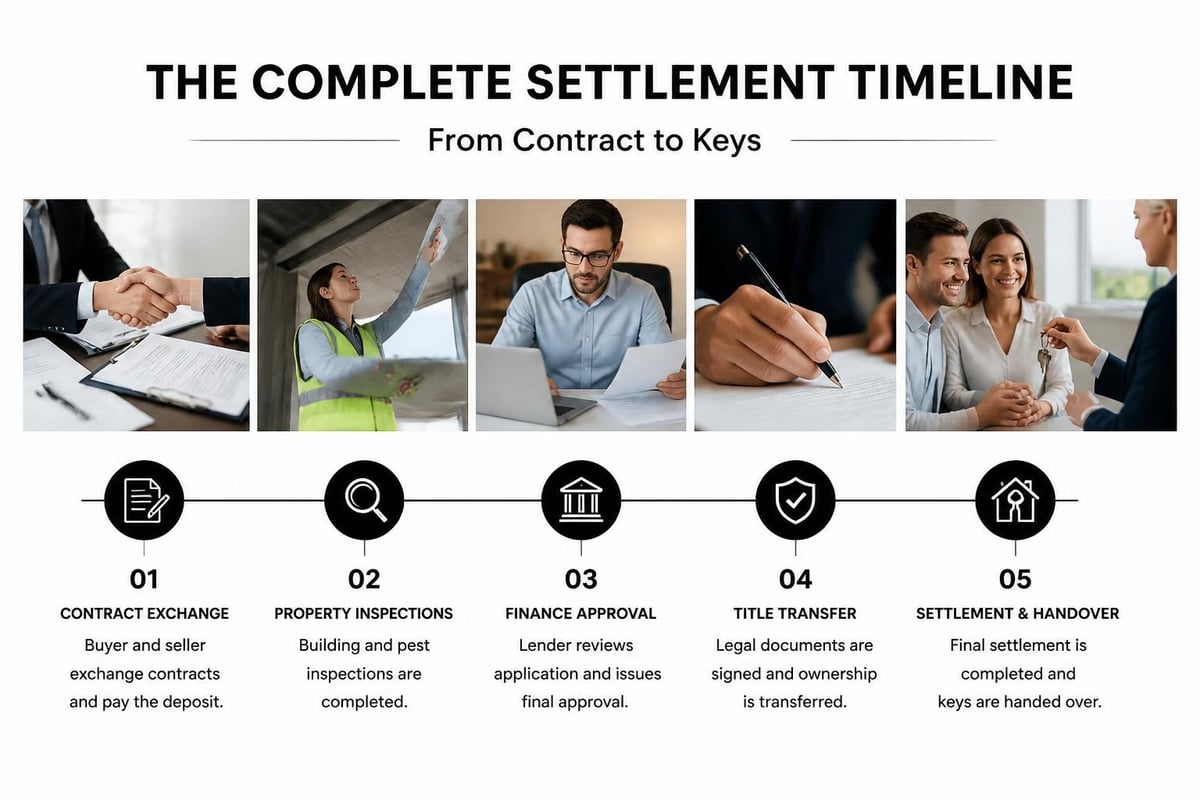
Once negotiations conclude successfully, proper contract preparation ensures smooth progression to settlement. Whilst solicitors handle legal documentation, agents facilitate the process by coordinating between parties, managing timelines, and addressing concerns promptly.
The contract phase involves:
- Engaging solicitors or conveyancers for both parties
- Preparing vendor disclosure statements
- Coordinating building and pest inspections
- Managing cooling-off periods appropriately
- Facilitating finance approval processes
- Addressing contract special conditions
Settlement Coordination and Client Care
The period between contract exchange and settlement presents numerous opportunities for issues to arise. Exceptional agents maintain close communication with all parties, proactively addressing potential complications before they derail transactions.
Pre-Settlement Management
Successful settlements require coordination between multiple parties including solicitors, mortgage brokers, building inspectors, property managers (if applicable), and removalists. Agents who truly embody "I sell real estate" as a service philosophy remain actively involved throughout this phase.
Critical pre-settlement tasks include:
- Confirming all contract conditions have been satisfied
- Coordinating final property inspections
- Ensuring utilities and services are managed appropriately
- Maintaining communication between solicitors
- Addressing any last-minute concerns from either party
Understanding Tax Implications
Property sales carry potential tax consequences that sellers should understand, though agents must direct clients to qualified accountants for specific advice. IRS Publication 523 provides comprehensive guidance on tax treatment of home sales, including capital gains exclusions and reporting requirements that may apply to Australian residents with international property interests.
For local property transactions, capital gains tax considerations, main residence exemptions, and depreciation recapture may impact the net proceeds from sale. Professional agents ensure clients understand the importance of proper tax planning without overstepping professional boundaries.
The Client Relationship Beyond the Sale
When agents genuinely embrace "I sell real estate" as a long-term profession rather than transactional occupation, they invest in relationships that extend well beyond individual settlements. This approach builds referral networks, repeat business, and community reputation.
Post-Settlement Follow-Up
Exceptional service doesn't conclude at settlement. Following up with both buyers and sellers demonstrates genuine care whilst creating opportunities for testimonials, referrals, and future business.
Effective post-settlement practices include:
- Personal calls to both parties confirming smooth settlement
- Requesting feedback on the sales process and service quality
- Asking satisfied clients for reviews and referrals
- Maintaining periodic contact through market updates and property insights
- Celebrating milestones and maintaining genuine relationships
Those exploring professional real estate services value agents who demonstrate commitment beyond commission-focused motivations.
Building a Referral-Based Business
Satisfied clients represent the most valuable marketing resource available to agents. When people confidently recommend an agent, stating "I sell real estate" becomes validated through third-party endorsement rather than self-promotion.
Cultivating referrals requires:
- Consistently delivering exceptional results and service
- Maintaining regular communication with past clients
- Providing value through market insights and property advice
- Demonstrating expertise in specific geographical areas
- Making the referral process easy and rewarding
Continuous Professional Development
The real estate industry evolves constantly, with changing regulations, market conditions, technology platforms, and consumer expectations. Agents committed to excellence recognise that "I sell real estate" requires ongoing learning and skill development.
Staying Current With Market Trends
Professional development extends beyond mandatory continuing education to encompass active market research, industry networking, and technology adoption. Successful agents invest time studying emerging trends, attending industry conferences, and learning from top performers.
Areas requiring continuous learning:
- Legislative changes affecting property transactions
- New marketing technologies and platforms
- Economic indicators influencing property markets
- Consumer behaviour patterns and generational preferences
- Negotiation techniques and communication strategies
Understanding consumer protection regulations ensures agents remain compliant whilst advocating effectively for client interests throughout financing and settlement processes.
Technology Integration
Modern real estate demands technological proficiency across multiple platforms. From customer relationship management systems to virtual tour software, digital signature platforms to social media management tools, agents must embrace technology to remain competitive.
| Technology Category | Application | Business Impact |
|---|---|---|
| CRM Systems | Client database, communication tracking, follow-up automation | Enhanced organisation, improved client service |
| Marketing Platforms | Social media management, email campaigns, analytics | Broader reach, measurable results |
| Virtual Tools | 3D tours, video conferencing, digital document signing | Convenience, expanded buyer pool |
| Market Analysis | Comparative market analysis software, trend forecasting | Data-driven pricing, strategic positioning |
| Communication | Video messaging, instant updates, client portals | Transparency, accessibility |
Specialisation and Market Focus
Whilst some agents pursue broad generalist approaches, others find success through specialisation. Whether focusing on specific property types, particular suburbs, or defined buyer demographics, specialisation allows agents to develop deep expertise that differentiates their service.
Geographic Specialisation Benefits
Concentrating efforts within specific suburbs or regions allows agents to develop unmatched local knowledge. This focused approach builds community recognition, strengthens referral networks, and creates genuine expertise that broad-coverage agents cannot replicate.
Geographic specialists understand:
- Micro-market variations within individual streets and precincts
- Historical sales data across multiple market cycles
- Future development plans and infrastructure projects
- School performance trends and enrolment patterns
- Community dynamics and neighbourhood character evolution
Those seeking luxury property expertise particularly value agents who demonstrate comprehensive understanding of specific premium markets and buyer expectations.
Property Type Expertise
Some agents develop specialised knowledge in particular property categories such as first home buyer properties, family homes, investment properties, or prestige residences. This focus allows development of targeted marketing strategies, specific buyer networks, and refined negotiation approaches for each segment.
Each property category demands different approaches:
- First home buyer properties – Patience, education, emotional support through the process
- Family homes – Understanding lifestyle priorities, school zones, family-oriented features
- Investment properties – Rental yield analysis, depreciation schedules, investor buyer networks
- Prestige residences – Discretion, sophisticated marketing, high-net-worth buyer relationships
Measuring Success Beyond Commission
Whilst financial rewards represent one success measure, exceptional agents evaluate performance through multiple lenses. When someone says "I sell real estate" with genuine pride, they're acknowledging achievements across client satisfaction, community contribution, and professional reputation.
Client Satisfaction Metrics
The most meaningful success indicator remains client satisfaction, measured through testimonials, referrals, repeat business, and online reviews. These authentic endorsements reflect service quality more accurately than sales volume or commission totals.
Key satisfaction indicators include:
- Net Promoter Score from post-settlement surveys
- Percentage of business from referrals and repeat clients
- Online review ratings and testimonial quality
- Award recognition from industry bodies
- Community reputation and word-of-mouth recommendations
Professional Recognition
Industry awards, peer recognition, and professional achievements validate an agent's expertise and service standards. Whilst not guaranteeing future performance, these accolades demonstrate consistent excellence and commitment to professional standards.
Recognition comes through various channels including sales performance awards, customer service excellence, community contribution honours, and professional association leadership roles.
The Future of Real Estate Sales
As markets evolve and technology advances, the profession continues transforming. However, fundamental principles of honesty, expertise, and client-focused service remain constant. Agents who adapt whilst maintaining core values position themselves for long-term success.
Emerging Trends Shaping the Industry
Several significant trends are reshaping how agents operate and serve clients. Understanding these developments allows forward-thinking professionals to adapt strategies whilst maintaining service quality.
Current industry evolution includes:
- Increased transparency through online data access and property history availability
- Virtual technology expanding geographic reach and buyer accessibility
- Sustainability focus with energy efficiency and environmental considerations influencing value
- Generational shifts as millennials and Generation Z enter peak buying years with different preferences
- Regulatory changes introducing enhanced consumer protections and professional standards
Maintaining the Human Element
Despite technological advancement, property transactions remain deeply personal, emotional decisions. The human element of reassurance, guidance, negotiation, and problem-solving ensures experienced agents remain valuable regardless of digital disruption.
Successful agents balance technology adoption with personal connection, using tools to enhance rather than replace relationship-based service. This approach acknowledges that whilst information becomes increasingly accessible, wisdom, judgment, and advocacy require human expertise.
Successfully navigating property sales demands expertise across market analysis, marketing strategy, negotiation, legal compliance, and client relationship management. Whether you're selling a first home, family residence, or investment property, working with an experienced professional who demonstrates genuine commitment to exceptional results makes all the difference. Steven Cirillo brings over 15 years of dedicated real estate experience to clients across Padstow, Revesby, Panania, and surrounding suburbs, combining strategic marketing, honest communication, and detail-oriented service to deliver outcomes that exceed expectations. His proven track record of impressive returns reflects the difference that specialised local knowledge and unwavering client focus brings to your property journey.