
Premier houses represent the pinnacle of residential real estate, combining architectural excellence, premium locations, and exceptional amenities that set them apart from standard properties. In 2026, the definition of what constitutes a premier house continues to evolve, driven by changing buyer expectations, technological advancements, and shifting lifestyle priorities. Understanding these distinctive properties requires examining their unique characteristics, market dynamics, and the factors that contribute to their enduring value. Whether you're considering purchasing a luxury residence or preparing to sell a high-end property, knowing what defines premier houses in today's market provides the foundation for making informed decisions.
Defining Premier Houses in Today's Market
Premier houses occupy a distinct segment within the residential property market, characterised by features that extend well beyond basic luxury. According to Realtor.com’s 2026 luxury housing research, luxury properties in Australia typically fall within the top 5% of their local market by price, though premier houses often represent the upper echelon even within that category.
Price Thresholds and Market Position
The financial threshold for premier houses varies significantly by location, with metropolitan areas commanding substantially higher entry points than regional markets. In Sydney's prestigious suburbs, premier houses regularly exceed $5 million, whilst comparable properties in Melbourne's premium postcodes demonstrate similar pricing patterns.
Key pricing considerations include:
- Local market median values and percentile rankings
- Historical price appreciation rates
- Comparable sales data from exclusive neighbourhoods
- Land value relative to improvements
- Scarcity and exclusivity within the micromarket
Architectural Excellence and Design Distinction
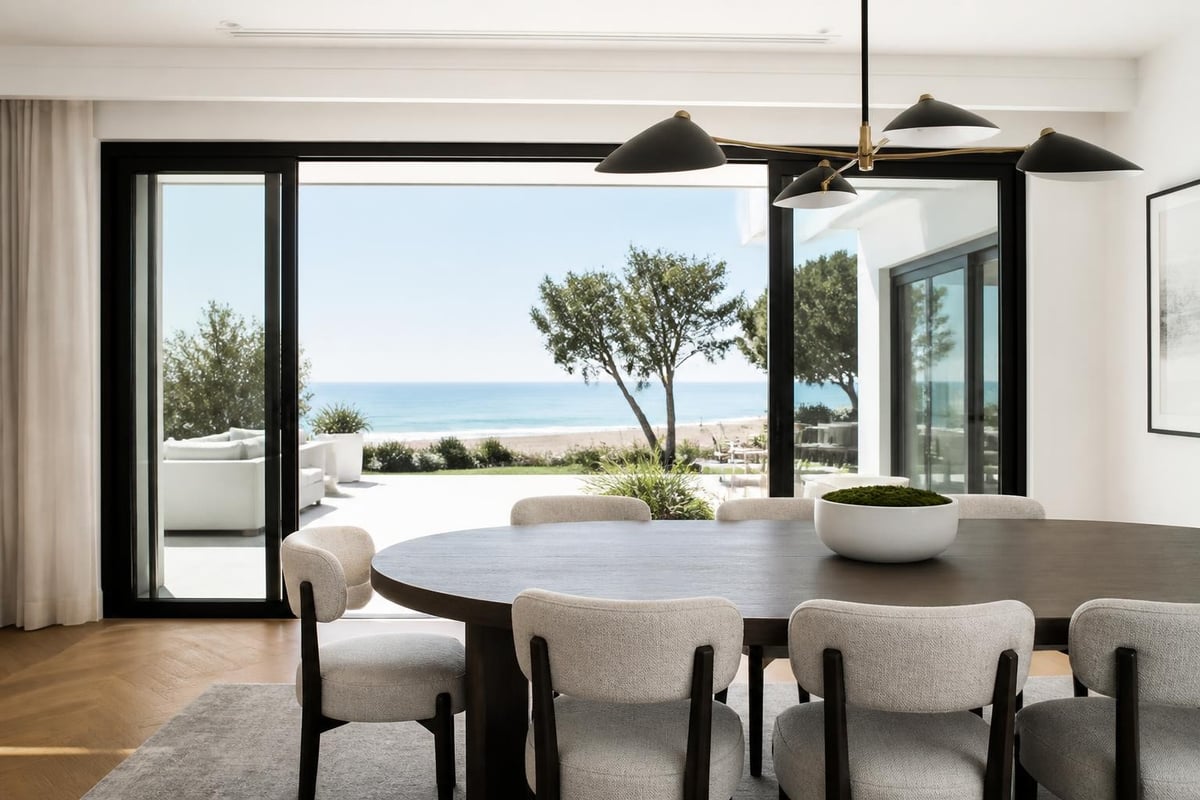
What separates premier houses from merely expensive properties lies fundamentally in architectural merit and design execution. The NAHB research on custom homes emphasises how architectural flexibility, bespoke design elements, and premium construction methods create residences that transcend conventional building standards.
Premium architectural features typically include:
- Custom-designed floorplans tailored to the site and owner's lifestyle
- High-quality materials throughout, from foundation to finishes
- Attention to proportion, natural light, and spatial flow
- Integration with landscape and surrounding environment
- Timeless design principles that ensure long-term appeal
| Architectural Element | Standard Home | Premier House |
|---|---|---|
| Design Approach | Template/Volume | Bespoke/Custom |
| Ceiling Heights | 2.4-2.7m | 3.0m+ |
| Materials | Builder-grade | Premium/Imported |
| Detailing | Minimal | Extensive |
| Natural Light | Adequate | Optimised |
Location and Land: The Foundation of Premier Value
The old adage that real estate comes down to "location, location, location" holds particularly true for premier houses. These properties occupy the most desirable positions within sought-after suburbs, offering combinations of privacy, views, accessibility, and prestige that cannot be replicated.
Micromarket Positioning
Premier houses benefit from micromarket advantages that extend beyond general suburb desirability. A waterfront position, elevated site with harbour views, or riverside setting adds substantial value. Similarly, proximity to premium schools, boutique shopping precincts, and cultural amenities enhances appeal for discerning buyers.
In Sydney's Inner West and Canterbury-Bankstown areas, including Padstow, Revesby, and Panania, premier houses occupy the finest positions within their respective suburbs. Whether that means larger land holdings, corner positions with dual street access, or locations adjacent to parkland and waterways, positioning within the micromarket defines value.
Critical location factors include:
- Land size relative to suburb averages
- Street presentation and prestige
- Privacy and seclusion
- Views and aspect
- Distance to premium amenities
- School catchment zones
Land Holdings and Garden Design
Premier houses typically feature substantial land holdings that allow for comprehensive landscaping, outdoor entertainment areas, and garden rooms that extend living spaces beyond the home's walls. Professional landscape design integrates hardscaping, water features, outdoor kitchens, and resort-style pool areas that create private retreats.
The emphasis on outdoor living has intensified in recent years, with buyers seeking homes that provide sanctuary and connection to nature. Mature trees, established gardens, and thoughtfully designed outdoor zones contribute significantly to a property's premier status.
Interior Features and Amenities That Define Premier Houses
Beyond architectural bones and location, premier houses distinguish themselves through interior appointments and amenities that cater to elevated lifestyle expectations. The Prestige Report’s analysis of features ultra-wealthy buyers prioritise reveals clear trends in what constitutes luxury in 2026.
Wellness and Lifestyle Spaces
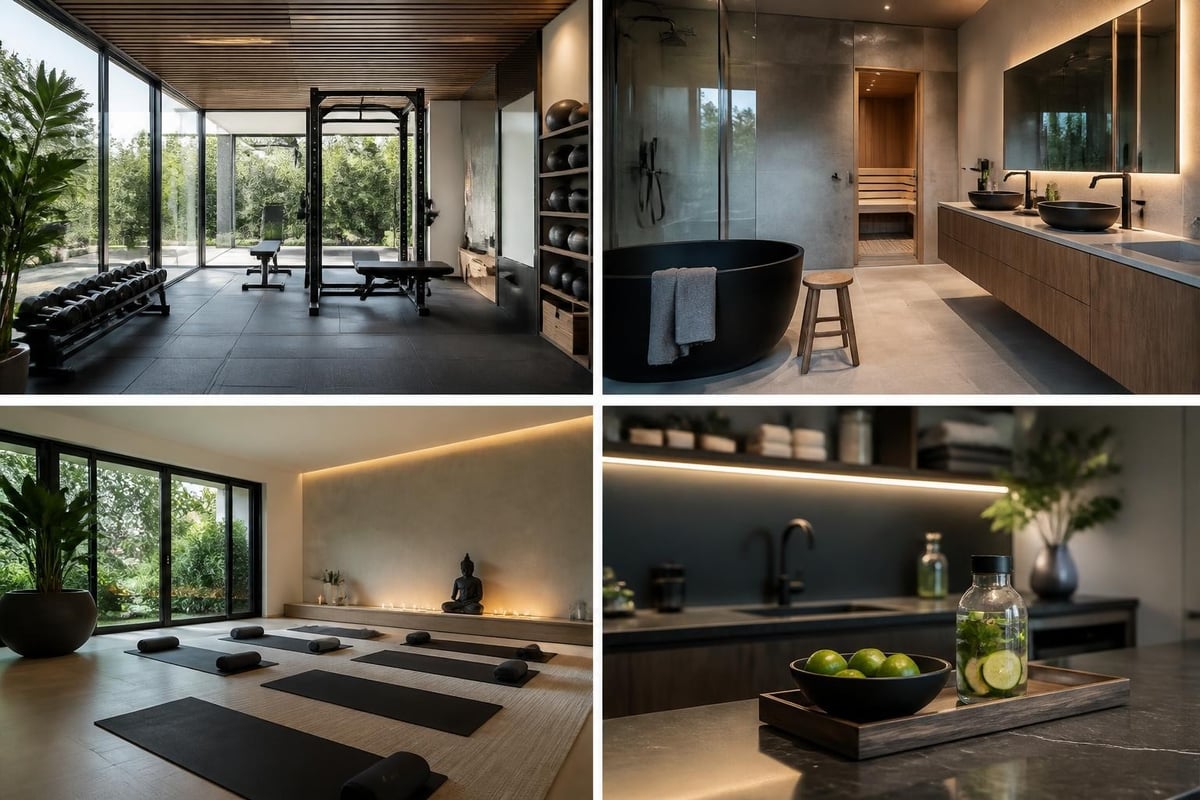
Contemporary premier houses incorporate dedicated wellness facilities that previously existed only in commercial settings. Home gyms equipped with professional-grade equipment, spa bathrooms featuring steam rooms and saunas, meditation rooms, and even cold plunge pools reflect the growing emphasis on health and wellbeing.
These spaces extend beyond mere luxury to represent fundamental lifestyle integration. Buyers purchasing premier houses expect their homes to support physical health, mental clarity, and overall wellbeing without requiring them to leave their property.
Kitchen and Living Spaces
The kitchen remains central to premier house appeal, though expectations have evolved beyond simply being large and well-appointed. Today's premier kitchens function as culinary studios, featuring:
- Multiple cooking zones with professional-grade appliances
- Butler's pantries and separate preparation areas
- Wine storage solutions, often climate-controlled rooms
- Seamless indoor-outdoor connectivity
- Statement materials like marble, natural stone, and custom cabinetry
Living spaces in premier houses prioritise flexibility, with multiple zones for different activities and occasions. Formal lounges, casual family rooms, home theatres, libraries, and study spaces allow occupants to utilise their home fully across varied needs.
Smart Home Technology and Invisible Integration
Technology integration represents a defining characteristic of modern premier houses, though the emphasis has shifted from showcasing technology to making it invisible and intuitive. According to Lutron’s 2026 Luxury Residential Trend Report, the most sophisticated homes feature comprehensive control systems that manage lighting, climate, audio-visual, security, and window treatments through centralised platforms.
Integrated Control Systems
Premier houses utilise whole-home automation that learns from occupant behaviour, adjusts environments automatically, and provides remote access to all systems. Voice control, smartphone apps, and touchscreen panels offer multiple interaction methods whilst hiding the complexity behind elegant interfaces.
Essential smart home elements include:
- Automated lighting scenes responsive to time and occupancy
- Climate control zoned by room with learning thermostats
- Integrated security with cameras, access control, and monitoring
- Multi-room audio and dedicated home theatre systems
- Motorised window treatments coordinated with lighting and temperature
Energy Efficiency and Sustainability
Modern premier houses increasingly incorporate sustainable design principles and energy-efficient systems without compromising luxury or comfort. Solar panels with battery storage, rainwater harvesting, greywater recycling, and high-performance insulation reduce environmental impact whilst lowering operating costs.
For buyers focused on long-term value, these sustainability features represent both ethical choices and practical investments that protect against rising energy costs and align with evolving building standards.
Market Dynamics and Investment Considerations
Understanding how premier houses perform within broader real estate markets helps buyers and sellers make strategic decisions. Redfin’s analysis of luxury home price rises demonstrates that premier properties often maintain value more effectively during market downturns and appreciate more substantially during growth periods.
Buyer Profiles and Motivations
Purchasers of premier houses typically fall into distinct categories, each with different motivations and requirements:
| Buyer Type | Primary Motivation | Key Priorities |
|---|---|---|
| Downsizers | Lifestyle improvement | Single-level living, lock-and-leave security |
| Families | Long-term residence | School access, multiple living zones |
| Executives | Prestige and entertaining | Home office, guest accommodation |
| Investors | Capital growth | Blue-chip location, timeless appeal |
Marketing and Presentation Standards
Selling premier houses requires sophisticated marketing approaches that showcase properties to qualified buyers whilst maintaining privacy and exclusivity. Professional photography, video tours, drone footage, and detailed property brochures represent baseline expectations.
Agents specialising in luxury properties, like those offering expert guidance for discerning buyers, understand how to position premier houses within their market context, highlight unique features effectively, and reach qualified purchasers through targeted campaigns.
The presentation of premier houses extends to every detail, from styling that showcases the home's potential to ensuring gardens and outdoor areas appear immaculate. First impressions carry exceptional weight in the luxury market, where buyers expect perfection.
Evolving Expectations in the Premier House Market
The definition of what constitutes a premier house continues evolving as buyer preferences shift and new amenities become standard within the luxury segment. Research from Luxury Lifestyle Awards on affluent buyer expectations reveals that privacy, personalisation, and emotional resonance increasingly define premium properties.
Privacy and Seclusion
Modern buyers of premier houses prioritise privacy more than previous generations, seeking homes that offer genuine seclusion from neighbours and public view. High fences, established hedging, strategic landscaping, and setbacks from boundaries create private sanctuaries that feel removed from urban density.
Gated entries, comprehensive security systems, and thoughtful site planning ensure premier houses provide both physical security and psychological comfort. For many buyers, the ability to enjoy outdoor spaces without oversight represents a non-negotiable requirement.
Personalisation and Flexibility
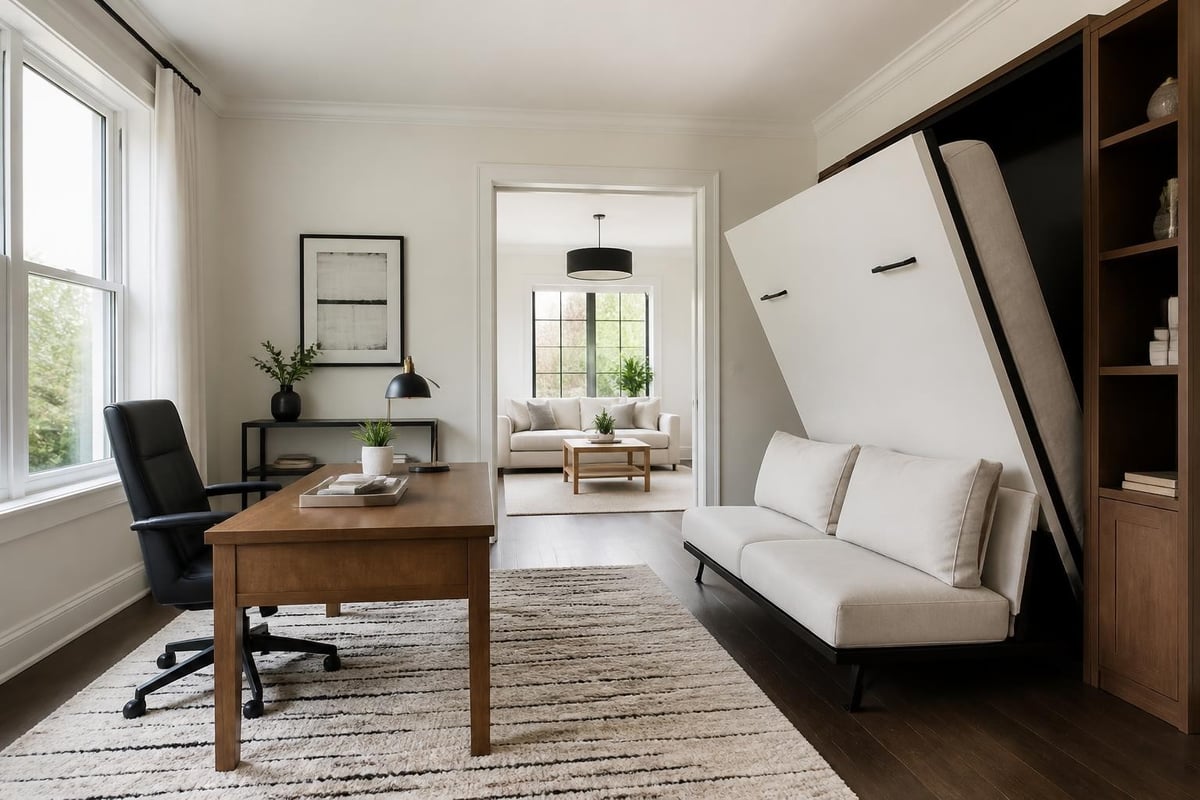
Rather than viewing premier houses as complete products, today's buyers increasingly value the potential for personalisation. Flexible floorplans, unfinished basements ready for customisation, and adaptable spaces that can serve multiple purposes appeal to buyers who want homes that evolve with their needs.
This shift reflects broader lifestyle changes, including remote work arrangements, multigenerational living, and the desire for homes that accommodate varied activities. Premier houses that offer blank canvases for personalisation whilst maintaining architectural integrity command premium pricing.
Regional Variations in Premier House Characteristics
Whilst certain features define premier houses universally, regional variations reflect local climate, culture, and lifestyle preferences. Australian premier houses demonstrate distinct characteristics compared to international luxury markets, emphasising indoor-outdoor living, casual elegance, and connection to landscape.
Climate-Responsive Design
Australian premier houses incorporate design elements responding to local climate conditions. In Sydney and surrounding regions, this means maximising natural ventilation, providing extensive covered outdoor areas, and creating seamless transitions between interior and exterior spaces.
Pool areas, outdoor kitchens, and alfresco dining zones receive equal design attention as interior rooms, reflecting how Australian lifestyles extend outdoors year-round. Premium homes feature thoughtful orientation that captures breezes, manages sun exposure, and creates comfortable outdoor environments across seasons.
Materials and Aesthetic Preferences
Australian premier houses favour natural materials including timber, stone, and brick, often in contemporary interpretations that honour traditional building methods whilst embracing modern design principles. Coastal areas see extensive use of materials that weather gracefully and withstand salt exposure, whilst inland regions might emphasise thermal mass and passive cooling.
The aesthetic leans toward understated elegance rather than ostentatious display, with quality evident in execution and detailing rather than excessive embellishment. This approach ensures premier houses maintain appeal across decades rather than dating quickly.
The Role of Professional Representation
Successfully navigating the premier house market, whether buying or selling, requires experienced professional guidance. The complexity of luxury transactions, nuanced negotiation dynamics, and importance of discretion demand agents with specific expertise in high-end properties.
For sellers, achieving optimal results requires agents who understand how to position premier houses effectively, reach qualified buyers through targeted marketing, and negotiate from positions of strength. The difference between competent representation and exceptional service often translates to hundreds of thousands of dollars in final sale prices.
Buyers benefit equally from professional guidance that helps identify opportunities, assess value objectively, and navigate competitive situations strategically. Understanding market dynamics, comparable sales data, and emerging trends allows buyers to make confident decisions backed by comprehensive information.
For those exploring opportunities in Sydney's Inner West and Canterbury-Bankstown regions, working with experienced local agents ensures access to off-market opportunities and insider knowledge that public listings never capture.
Investment Performance and Long-Term Value
Premier houses typically demonstrate strong investment performance over extended timeframes, though market cycles affect luxury properties differently than mainstream residential real estate. Understanding these dynamics helps both buyers and sellers make timing decisions that optimise outcomes.
Capital Growth Patterns
Luxury property markets often lag mainstream markets during early recovery phases following downturns, as discretionary buyers wait for confidence to rebuild. However, once momentum establishes, premier houses frequently appreciate faster than median-priced properties, driven by limited supply and concentrated demand from qualified buyers.
Performance factors include:
- Scarcity of comparable properties within the micromarket
- Prestige and enduring appeal of the location
- Quality of construction and timeless design
- Land value component versus improvements
- Historical significance or architectural pedigree
Rental Yields and Holding Costs
Whilst premier houses generally deliver lower rental yields than more affordable properties, the capital growth potential and lifestyle benefits compensate for modest rental returns. Many owners of premier houses occupy their properties rather than treating them purely as investments, valuing the intangible benefits alongside financial performance.
Holding costs for premier houses, including council rates, maintenance, insurance, and utilities, require careful consideration. However, well-maintained premium properties typically hold value more effectively than homes with deferred maintenance, making ongoing investment in property upkeep financially prudent.
Due Diligence and Acquisition Process
Purchasing premier houses requires comprehensive due diligence that extends beyond standard building inspections to examine every aspect of the property, its systems, and potential issues. The substantial investment warrants thorough investigation before commitment.
Inspection and Assessment
Professional building inspections represent just the starting point for premier house due diligence. Additional specialists might include:
- Structural engineers for complex architectural features
- Pool and spa technicians for resort-style facilities
- Landscape architects to assess outdoor improvements
- Smart home technology consultants for automation systems
- Energy auditors for sustainability and efficiency analysis
These specialists provide detailed assessments that inform negotiation positions and help buyers understand the true condition of properties beyond cosmetic presentation.
Legal and Financial Considerations
The legal complexity of premier house transactions often exceeds standard residential conveyancing. Large land holdings may include easements, covenants, or heritage restrictions requiring careful review. Strata or community title arrangements in prestige developments demand thorough examination of by-laws, financial statements, and management structures.
Financing premier houses involves different considerations than standard home loans, with private banks and specialist lenders offering tailored solutions for high-net-worth clients. Deposit requirements, loan-to-value ratios, and documentation standards differ from mainstream lending, requiring buyers to engage financial advisers familiar with luxury property finance.
Preparing Premier Houses for Sale
Sellers of premier houses face unique challenges in presenting properties to maximise appeal and achieve optimal pricing. The expectation of perfection within the luxury market means every detail requires attention before marketing commences.
Pre-Sale Preparation
Successful premier house sales begin with comprehensive preparation that addresses maintenance issues, updates tired finishes, and ensures the property presents in pristine condition. This might include:
- Professional cleaning and detailing of all spaces
- Garden maintenance, pruning, and seasonal planting
- Minor repairs and touch-up painting
- Decluttering and depersonalising interior spaces
- Ensuring all systems function perfectly
Some sellers invest in strategic updates to kitchens, bathrooms, or outdoor areas when current finishes appear dated, though this requires careful cost-benefit analysis to ensure renovation expenses translate to higher sale prices.
Styling and Presentation
Professional styling helps buyers envision themselves in premier houses whilst showcasing the property's best features. Unlike standard homes where styling might involve furniture hire, luxury properties often benefit from art placement, curated accessories, and subtle enhancements that elevate existing furnishings.
The goal is creating aspirational yet authentic presentations that demonstrate how premier houses support elevated lifestyles. Outdoor areas receive equal styling attention, with entertainment settings, luxury furnishings, and ambient lighting creating inviting spaces that buyers can imagine enjoying.
Premier houses represent exceptional properties distinguished by architectural merit, premium locations, sophisticated amenities, and attention to detail that creates residences of enduring value and appeal. Understanding what defines these luxury properties helps both buyers and sellers navigate the premium market with confidence. Whether you're searching for your dream home or preparing to sell a prestigious property in Padstow, Revesby, Panania, or surrounding suburbs, Steven Cirillo provides the local expertise, honest communication, and detail-oriented approach that delivers outstanding results in every transaction.