
Understanding the real estate agent price structure is essential for anyone planning to buy or sell property in Australia. Whether you're selling your first home, an investment property, or a family residence in suburbs like Padstow, Revesby, or Panania, knowing how agents structure their fees empowers you to make informed decisions and budget appropriately. The pricing landscape has evolved significantly, with various models now available to suit different property types and seller preferences.
How Real Estate Agent Commission Models Work
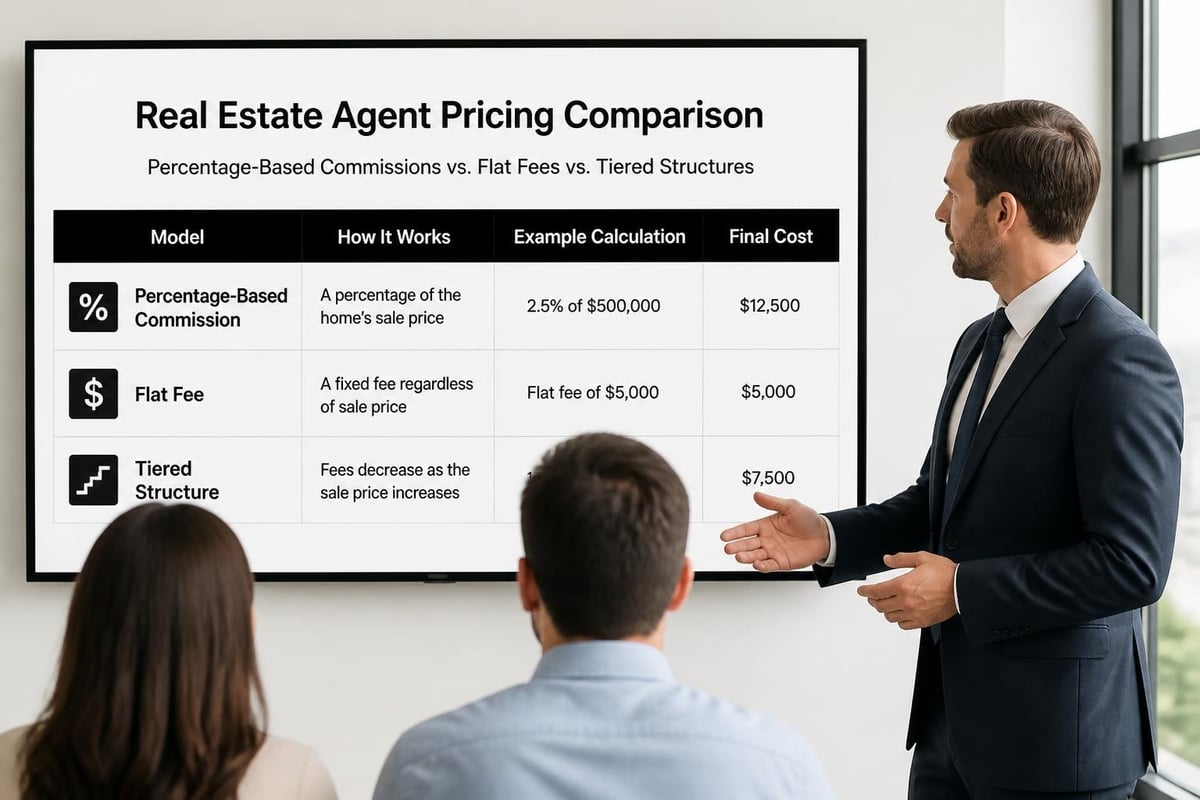
The traditional real estate agent price structure in Australia typically operates on a commission basis, calculated as a percentage of the final sale price. This percentage-based model aligns the agent's success with your outcome, as higher sale prices generate greater commissions for both parties.
Most Australian agents charge between 1.5% and 3.5% of the property's sale price, though this varies considerably based on location, property value, and market conditions. Premium suburbs and high-value properties often command lower percentage rates, whilst properties in regional areas or lower price brackets may attract higher percentages.
Fixed Fee vs Percentage Commission
Beyond traditional percentage-based pricing, several alternative models have emerged:
- Flat fee arrangements: A predetermined amount regardless of sale price
- Tiered commission structures: Varying percentages based on price thresholds
- Performance-based bonuses: Additional fees for exceeding target prices
- Hybrid models: Combining flat fees with smaller percentage components
Each pricing structure carries distinct advantages and considerations. Flat fees provide cost certainty but may reduce agent motivation on challenging sales. Percentage commissions incentivize maximum sale prices but can become expensive on high-value properties. Understanding how agent fees and commissions vary helps sellers compare options effectively.
Factors That Influence Real Estate Agent Price
Multiple variables determine the final real estate agent price you'll encounter when selling property. Understanding these factors helps you assess whether quoted fees represent fair market value for the services provided.
Property value stands as the most obvious factor. A $500,000 home at 2% commission generates $10,000 in fees, whilst a $1.5 million property at the same rate produces $30,000. However, agents often negotiate lower percentages on higher-value properties, recognising that the absolute dollar amount still provides substantial compensation.
Location significantly impacts pricing structures. Metropolitan areas with high property turnover may see competitive pricing between agents, whilst regional locations with longer selling cycles might justify higher commissions. In suburbs like Revesby and Panania, local market dynamics influence standard fee ranges.
| Factor | Impact on Pricing | Typical Range |
|---|---|---|
| Property Value | Higher values often attract lower percentages | 1.5% – 3.5% |
| Location | Metro vs regional affects competition | Varies by 0.5% – 1% |
| Market Conditions | Seller's market may reduce fees | Negotiable |
| Property Type | Residential vs commercial differs | 2% – 6% |
| Marketing Required | Luxury needs premium campaigns | Additional costs |
Market conditions play a crucial role in determining negotiable rates. During seller's markets with high demand and low inventory, agents may accept lower commissions due to easier sales. Conversely, buyer's markets requiring extensive marketing efforts and longer sale periods often command higher fees to compensate for increased work and risk.
Property complexity matters considerably. A straightforward three-bedroom home requires less specialized marketing than a luxury estate or unique architectural property. First home buyer properties often need patient agents willing to guide nervous purchasers through the process, whilst investment properties might attract buyers requiring detailed rental yield analysis.
What's Included in Your Real Estate Agent Price
The real estate agent price encompasses far more than simple transaction facilitation. Professional agents deliver comprehensive services justifying their commission structure.
Core Services Covered
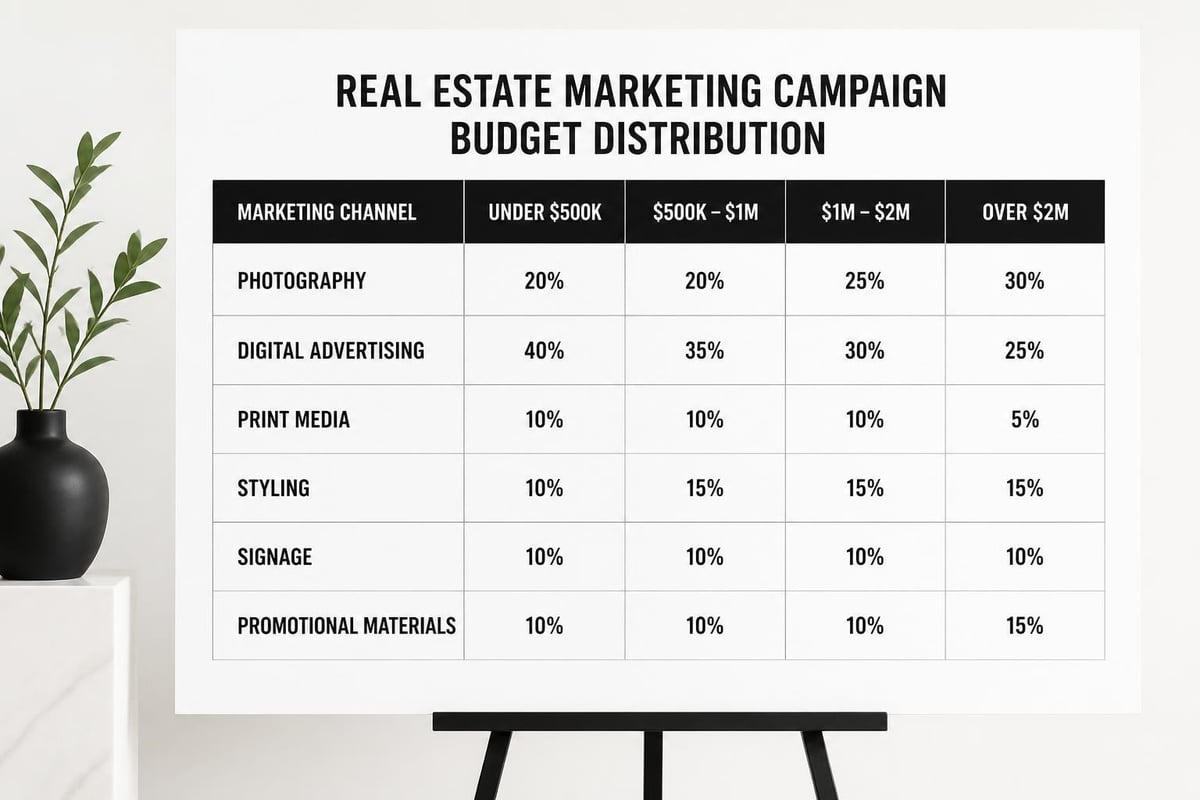
Marketing represents a substantial component of agent fees. Professional photography, virtual tours, property styling, online advertising, print materials, signage, and open house coordination all fall under typical service agreements. Premium properties may require drone footage, professional video production, and targeted digital advertising campaigns reaching specific buyer demographics.
Agents coordinate property presentations, manage inspection schedules, provide market feedback, and maintain constant communication with potential buyers. They handle price negotiations, manage competing offers, and navigate complex contractual requirements throughout the sale process.
Administrative responsibilities include preparing contracts, coordinating solicitors and conveyancers, arranging building and pest inspections, and managing settlement procedures. This behind-the-scenes work ensures smooth transactions and protects sellers from legal complications.
The various costs associated with selling a house extend beyond agent fees, but professional representation often saves sellers money by avoiding costly mistakes and achieving premium sale prices.

Negotiating Real Estate Agent Price Effectively
Real estate agent price structures are rarely fixed, and sellers possess more negotiating power than many realise. Approaching fee discussions strategically can generate significant savings whilst maintaining quality service.
Start by obtaining multiple comparative quotes. Interview at least three agents, requesting detailed fee breakdowns and service descriptions. This competitive process naturally encourages better pricing and helps you understand market standards for your property type and location.
Consider the complete value proposition rather than focusing solely on lowest fees. An agent charging 2.5% who achieves a sale price $50,000 above another agent's estimate delivers better net proceeds than a 1.5% agent who underperforms on price. Track records matter more than commission percentages alone.
Timing negotiations strategically improves outcomes. Agents competing for your listing during slower periods may offer more favourable terms than during peak selling seasons when their pipelines overflow. Express willingness to sign longer listing periods in exchange for reduced fees, as this provides agents greater certainty.
Negotiation Strategies That Work
- Request itemized service breakdowns showing exactly what each fee component covers
- Propose performance-based structures with bonuses for exceeding target prices
- Offer exclusive listing rights for extended periods in exchange for reduced rates
- Negotiate marketing budget contributions separately from commission percentages
- Consider reduced commission tiers based on achieving specific price milestones
Recent industry changes have increased transparency around agent compensation. How real estate agents are compensated has evolved, with greater emphasis on value delivery and service justification rather than standard percentage expectations.
Regional Variations in Australian Agent Pricing
Real estate agent price structures vary considerably across Australian states and territories, reflecting different regulatory environments, market conditions, and competitive landscapes. Understanding these regional differences helps sellers benchmark quotes against appropriate standards.
Sydney's premium markets often see commissions ranging from 1.8% to 2.5% on established properties, with lower percentages applying to high-value homes exceeding $2 million. Melbourne demonstrates similar patterns, though slightly higher rates appear in certain suburbs. Brisbane and Perth markets typically operate between 2% and 3%, whilst regional Queensland and Western Australia areas may command 3% to 4%.
South Australian agents commonly charge between 1.5% and 2.5%, with Adelaide's metropolitan area showing strong competition keeping rates moderate. Tasmania's smaller market sees higher percentages, typically 2.5% to 3.5%, reflecting limited agent numbers and longer selling cycles.
In Sydney's southwest suburbs including Padstow, Revesby, and Panania, competitive agent numbers maintain reasonable fee structures whilst local expertise becomes increasingly valuable. Agents with deep neighbourhood knowledge command justified premiums through their ability to identify qualified buyers and achieve premium prices.
Marketing Costs and Additional Fees
Beyond base commission, the real estate agent price often includes or excludes various marketing and administrative costs. Understanding these additional expenses prevents unexpected bills and enables accurate budgeting.
Most agents operate under one of two models: commission-inclusive marketing or separate marketing levies. Inclusive arrangements bundle all promotional costs into the commission percentage, providing cost certainty. Separate marketing budgets require sellers to approve and fund campaigns independently, typically ranging from $2,000 to $15,000 depending on property value and marketing intensity.
Premium marketing campaigns for luxury properties or unique homes require substantial investment:
- Professional photography and videography: $500 – $2,000
- Drone footage and aerial photography: $300 – $800
- Property styling and presentation: $2,000 – $8,000
- Digital advertising campaigns: $1,000 – $5,000
- Print media and premium publications: $500 – $3,000
- Signage and promotional materials: $300 – $800
Administrative fees occasionally appear as separate charges, covering contract preparation, document management, and coordination services. Whilst some agents include these in base commissions, others charge $300 to $800 in administration fees. Always clarify whether quoted prices represent total costs or require additional payments.
The Value Proposition Beyond Price
Focusing exclusively on minimising real estate agent price often proves counterproductive when inferior service results in lower sale prices or extended selling periods. Evaluating overall value delivery provides better long-term outcomes.
Experienced agents bring negotiation expertise that frequently generates sale price increases far exceeding their commission costs. A skilled negotiator extracting an additional $30,000 from competing buyers delivers substantially better net proceeds than a discount agent achieving asking price. This negotiation value becomes particularly evident in competitive scenarios with multiple interested parties.
Local market knowledge constitutes invaluable expertise. Agents deeply familiar with specific suburbs understand buyer demographics, seasonal patterns, pricing sweet spots, and effective marketing channels. For properties in areas like Revesby and Panania, this localized expertise translates directly into faster sales and higher prices.
Time savings represent another significant consideration. Managing property sales requires substantial effort coordinating inspections, responding to enquiries, negotiating offers, and handling administrative requirements. Professional agents absorb these responsibilities, allowing sellers to maintain normal routines without constant disruption.
Risk mitigation through professional representation protects against costly legal errors, contractual disputes, and negotiation mistakes. Experienced agents navigate complex situations, identify potential problems before they escalate, and ensure compliant transactions. This protection proves particularly valuable for first-time sellers unfamiliar with process requirements.
Steven Cirillo's approach demonstrates this value principle through his detail-oriented service across Padstow, Revesby, and Panania. His comprehensive Property Appraisals & Market Assessments provide sellers with accurate valuations backed by local market data, helping them understand true property value before listing decisions.
Commission Structures in Changing Markets
The real estate agent price landscape continues evolving as market forces, regulatory changes, and technological disruption reshape traditional models. Recent developments have introduced greater flexibility and transparency into agent compensation.
The landmark real estate commission settlement in the United States sparked global discussions about fee structures, though Australian markets operate under different regulatory frameworks. Nonetheless, increased scrutiny has encouraged greater service justification and competitive pricing across the industry.
Digital platforms and online agents have introduced low-cost alternatives to traditional full-service representation. These models typically charge flat fees ranging from $3,000 to $8,000, appealing to sellers prioritizing cost minimization over comprehensive service. However, success with these platforms requires seller involvement in marketing, negotiations, and process management.
Hybrid models combining technology efficiency with personal service represent emerging alternatives. These approaches leverage digital marketing tools and automated systems whilst maintaining agent expertise for negotiations and complex situations. Pricing typically falls between discount platforms and traditional full-service rates.
Future Pricing Trends
Market observers anticipate several developments affecting real estate agent price structures:
- Increased transparency requirements forcing clearer fee disclosures
- Greater service customization allowing sellers to select specific offerings
- Performance-based compensation tying fees more directly to outcomes
- Technology integration reducing administrative costs and commission components
- Enhanced competition from alternative models pressuring traditional rates
Understanding these trends helps sellers anticipate negotiation opportunities and evaluate agent proposals against evolving industry standards.
Comparing Agent Value Across Price Points
The relationship between property value and real estate agent price creates interesting dynamics across different market segments. Evaluating fee structures relative to service requirements helps determine fair compensation.
| Property Value | Typical Commission % | Dollar Amount | Relative Effort |
|---|---|---|---|
| $500,000 | 2.5% | $12,500 | Moderate |
| $750,000 | 2.2% | $16,500 | Moderate-High |
| $1,000,000 | 2.0% | $20,000 | High |
| $1,500,000 | 1.8% | $27,000 | Very High |
| $2,000,000+ | 1.5% – 2.0% | $30,000+ | Premium |
Lower-value properties often require proportionally similar effort as expensive homes despite generating smaller absolute commissions. Marketing, inspections, negotiations, and administrative requirements remain largely consistent regardless of price point. This reality explains why percentage rates increase as property values decrease.
Premium properties justify lower percentages through larger dollar amounts whilst requiring specialized marketing expertise, discretion, and access to high-net-worth buyer networks. Luxury property agents invest in premium presentation, exclusive marketing channels, and sophisticated buyer targeting that standard residential agents may not provide.
First home buyer properties present unique considerations. These sales often require patient guidance, extensive education, and tolerance for longer decision-making processes. Agents working this segment deliver substantial value through buyer education and process management, justifying standard commission rates despite potentially lower property values.
Selecting the Right Agent Beyond Price Considerations
While understanding real estate agent price structures remains important, selecting representation based solely on lowest fees frequently produces disappointing outcomes. Comprehensive agent evaluation considers multiple factors determining overall value delivery.
Track record and demonstrated results provide the most reliable performance indicators. Request recent sales data for properties similar to yours, noting achieved prices relative to initial appraisals. Agents consistently exceeding price expectations demonstrate negotiation skills and market knowledge justifying premium fees.
Communication style and availability significantly impact selling experiences. Agents maintaining regular contact, providing detailed market feedback, and remaining accessible throughout the process deliver superior service regardless of commission structure. During stressful negotiations or unexpected complications, responsive communication proves invaluable.
Marketing expertise and creativity separate exceptional agents from adequate performers. Review previous marketing campaigns, assess presentation quality, and evaluate strategic approaches to buyer targeting. Agents crafting compelling property narratives and executing sophisticated marketing campaigns generate competitive buyer interest driving premium prices.
Local specialization matters considerably. Agents focusing on specific suburbs develop deep market knowledge, established buyer networks, and proven strategies tailored to local demographics. This specialization typically delivers better results than generalist agents covering broad geographical areas.
Professional credentials, industry recognition, and continuing education demonstrate commitment to excellence. Whilst qualifications alone don't guarantee results, they indicate serious professional approaches and ongoing skill development.
Understanding Total Cost of Sale
Real estate agent price represents just one component of total selling costs. Comprehensive budgeting accounts for all expenses reducing net proceeds from property sales.
Beyond agent commissions and marketing costs, sellers typically encounter:
- Legal and conveyancing fees: $800 – $2,500
- Building and pest inspections: $400 – $800
- Property styling and presentation: $2,000 – $8,000
- Repairs and maintenance: Variable
- Early mortgage discharge fees: $150 – $800
- Capital gains tax (for investment properties): Variable
Total selling costs typically range from 3% to 6% of property value when combining all expenses. A $750,000 property might incur $22,500 to $45,000 in total costs, with agent commissions representing the largest single component.
Accurate cost projections enable informed decisions about timing, pricing strategies, and acceptable offer evaluation. Understanding that net proceeds differ substantially from gross sale prices prevents disappointment and facilitates realistic planning.
Recent research on dynamic pricing in real estate explores mathematical models optimizing pricing strategies, demonstrating how sophisticated approaches can maximize outcomes even after accounting for various selling costs.
Strategic Questions to Ask Agents
When discussing real estate agent price and service proposals, asking targeted questions reveals whether quoted fees represent good value and appropriate service levels.
Essential questions include:
- What specific marketing activities does your commission cover?
- How do you determine optimal pricing for properties like mine?
- What's your average sale price to list price ratio?
- How many properties are you currently managing?
- What communication frequency should I expect throughout the process?
- Are there any additional fees beyond quoted commission?
- What happens if the property doesn't sell within the listing period?
- How do you handle multiple offer situations?
Responses to these questions illuminate agent expertise, service standards, and value delivery beyond simple price comparisons. Detailed, specific answers demonstrate professionalism and preparedness, whilst vague responses suggest potential service deficiencies.
Request written fee proposals outlining all costs, service inclusions, listing terms, and performance expectations. This documentation enables direct comparisons between agents and provides reference points if disputes arise during the selling process.
Understanding real estate agent price structures empowers sellers to make informed decisions balancing cost efficiency with service quality and outcome optimization. Whether you're selling a first home, investment property, or family residence in Padstow, Revesby, or Panania, comprehensive fee evaluation ensures you receive appropriate value whilst achieving your property goals. For honest, straightforward guidance throughout your selling journey, Steven Cirillo combines local expertise with proven results, delivering exceptional outcomes through detail-oriented service and strategic marketing approaches tailored to your property's unique strengths.