
Selling a property remains one of the most significant financial transactions most Australians will undertake in their lifetime. Whether you're upgrading to accommodate a growing family, downsizing after the children have moved out, or relocating for career opportunities, the ability to sell homes effectively requires strategic planning, market knowledge, and precise execution. The property market across Sydney's inner west, particularly in suburbs like Padstow, Revesby, and Panania, continues to demonstrate resilience and opportunity for sellers who approach the process with proper preparation and expert guidance.
Understanding the Current Property Market
The Australian residential property market in 2026 presents unique opportunities for homeowners looking to sell homes at premium prices. Recent trends indicate that buyers are increasingly discerning, with heightened expectations around property presentation, digital marketing exposure, and transparent communication throughout the transaction process.
Market conditions fluctuate based on numerous factors including interest rates, employment stability, migration patterns, and local infrastructure development. Sellers who monitor these indicators and position their properties accordingly tend to achieve superior outcomes compared to those who simply place their home on the market without strategic consideration.
Local Market Knowledge Makes the Difference
Understanding your specific suburb's market dynamics proves essential when preparing to sell homes successfully. Properties in established areas like Revesby and Panania attract different buyer demographics compared to newer developments, and pricing strategies must reflect these nuances.
Key local market factors include:
- Recent comparable sales within 800 metres of your property
- Average days on market for similar property types
- Seasonal demand patterns specific to your suburb
- Upcoming infrastructure projects affecting property values
- School catchment zones and their impact on family buyers
- Local amenity improvements and retail developments
Working with experienced professionals who possess intimate knowledge of these micro-markets ensures your property is positioned competitively from day one. This localised expertise, combined with data-driven pricing strategies, creates the foundation for successful property transactions.
Pre-Sale Preparation That Drives Results
Before listing your property, strategic preparation can significantly impact both the final sale price and the time required to sell homes successfully. This preparation extends beyond basic cleaning and encompasses repairs, updates, and strategic improvements that appeal to today's buyers.

Properties that show well from the first inspection generate stronger buyer interest and competitive offers. Addressing common buyer concerns before listing prevents price negotiations based on perceived defects or maintenance requirements.
Essential Maintenance and Repairs
Completing necessary maintenance before photography and inspections prevents buyers from using minor issues as negotiation leverage. These repairs typically deliver returns well beyond their cost.
| Repair Category | Impact on Sale | Typical ROI |
|---|---|---|
| Plumbing leaks | High | 150-200% |
| Electrical safety | High | 120-180% |
| Roof repairs | High | 140-190% |
| Painting (interior) | Medium-High | 110-160% |
| Carpet replacement | Medium | 100-130% |
| Door and window maintenance | Medium | 90-120% |
Focus on repairs that impact safety, functionality, and visual appeal. Buyers readily overlook cosmetic preferences but struggle to see past maintenance deficiencies that suggest neglect.
Strategic Improvements Worth Considering
Certain cost-effective upgrades generate disproportionate returns by enhancing buyer perception and emotional connection to the property.
- Fresh neutral paint throughout main living areas
- Updated lighting fixtures in key rooms
- Modern door hardware and cabinet handles
- Landscaping improvements for enhanced curb appeal
- Bathroom refresh with new tapware and accessories
- Kitchen updates including new splashback or benchtop resurfacing
These improvements typically cost between $5,000 and $15,000 but can contribute $25,000 to $50,000 in additional sale value when executed strategically.
Pricing Strategy and Market Positioning
Setting the right price remains the most critical factor in how quickly you sell homes and the final price achieved. Properties priced accurately from launch generate immediate buyer interest, multiple inspections, and competitive offers.
Overpricing, even marginally, extends time on market and ultimately results in lower final prices as buyers perceive the property as stale or problematic. Conversely, strategic pricing that creates urgency often results in competitive bidding that pushes the final price beyond initial expectations.
Data-Driven Appraisal Methods
Professional property appraisals combine multiple valuation methodologies to establish accurate market value. This process examines comparable sales, current listings, property-specific features, and prevailing market conditions.
Appraisal considerations include:
- Recent sales of similar properties within 12 months
- Current active listings and their market reception
- Property size, configuration, and condition
- Land value and development potential
- Unique features that differentiate from comparable properties
- Market trends and buyer demand indicators
Accurate appraisals provide sellers with confidence to position their property competitively whilst maximising final sale prices. Understanding the costs associated with selling helps establish realistic net return expectations.
Auction Versus Private Treaty
Choosing the appropriate sales method significantly impacts results when you sell homes in Sydney's inner west. Each approach offers distinct advantages depending on property type, market conditions, and seller circumstances.
Auction campaigns create defined timeframes, generate competitive tension, and often achieve premium prices in strong markets. Private treaty sales offer flexibility in negotiations and may suit properties requiring targeted marketing to specific buyer demographics.
Steven Cirillo's Auction Campaign Management expertise helps homeowners navigate this decision with confidence, developing tailored strategies that maximise competition and deliver outstanding outcomes regardless of the chosen sales method.
Marketing Strategies That Attract Qualified Buyers
Comprehensive marketing ensures maximum exposure to qualified buyers actively searching for properties matching your home's profile. The most effective campaigns combine traditional and digital channels to create multiple touchpoints with prospective purchasers.
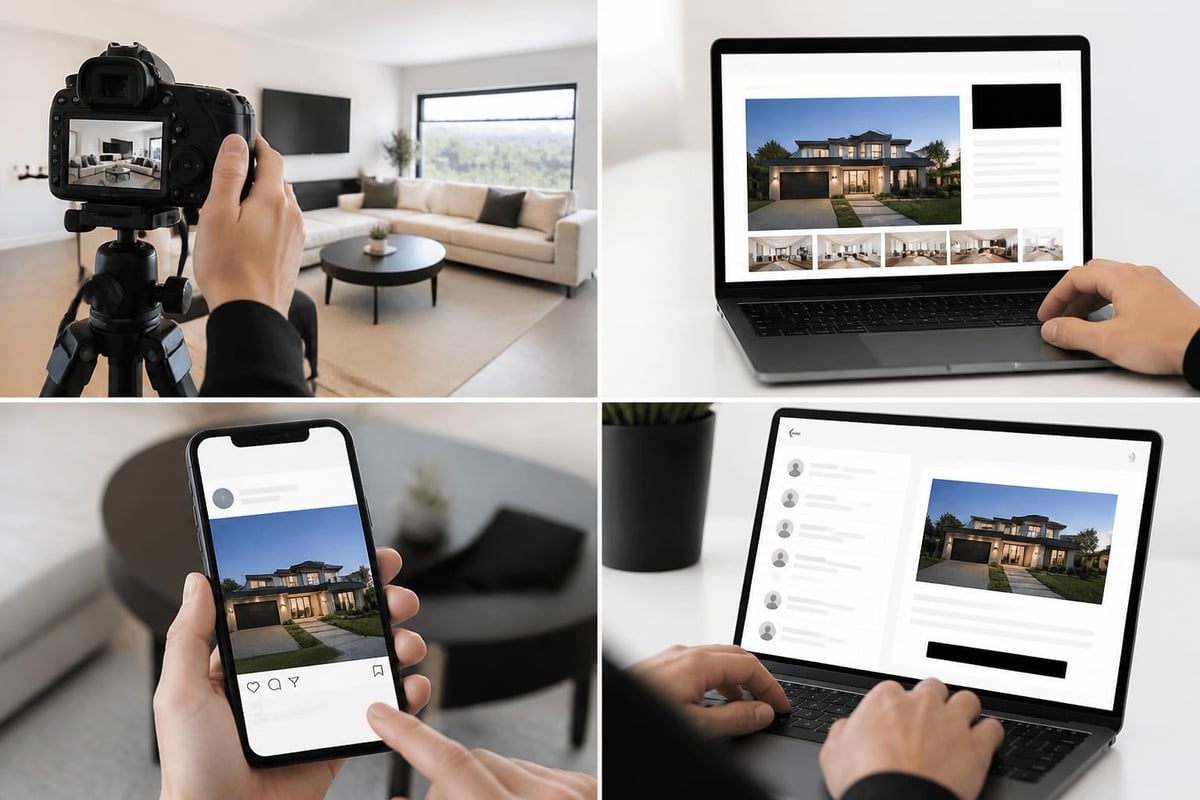
Professional presentation through high-quality photography, videography, and compelling property descriptions forms the foundation of successful marketing. Research indicates that properties with professional photography sell faster and for higher prices than those with amateur images.
Digital Marketing Channels
Modern buyers begin their property search online, making digital presence absolutely essential to sell homes effectively in 2026.
- Premium property portals including Domain and realestate.com.au
- Social media advertising targeting specific buyer demographics
- Email marketing to qualified buyer databases
- Virtual tours and 3D walkthroughs for interstate buyers
- Video content showcasing lifestyle and location benefits
- Search engine optimisation for maximum organic visibility
Coordinated digital campaigns reach buyers at various stages of their search journey, from initial research through to active comparison and decision-making phases.
Traditional Marketing That Still Works
Despite digital dominance, traditional marketing methods remain effective components of comprehensive campaigns when selling properties across Padstow, Revesby, and surrounding suburbs.
Printed brochures with professional photography provide tangible takeaways for buyers attending inspections. Signage generates local awareness and captures drive-by interest from buyers familiar with the area. Letterbox drops to neighbouring properties often uncover upgraders or investors already familiar with the suburb's benefits.
Managing Inspections and Buyer Engagement
First impressions during property inspections significantly influence buyer decisions and willingness to make competitive offers. Creating welcoming, well-presented environments allows buyers to envision themselves living in the space.
Preparing Your Home for Inspections
Beyond cleaning and decluttering, strategic staging helps buyers connect emotionally with your property. This process highlights your home's best features whilst minimising any limitations.
- Remove personal items and photographs to create neutral spaces
- Declutter surfaces, cupboards, and storage areas
- Ensure optimal lighting throughout all rooms
- Add fresh flowers or plants for natural appeal
- Eliminate odours from pets, cooking, or smoking
- Set comfortable temperature levels for inspections
- Play soft background music to create ambience
Properties that feel welcoming and spacious consistently generate stronger buyer interest than those appearing cluttered or overly personalised. For detailed guidance on preparing your home effectively, consider how minor adjustments create major perception shifts.
Handling Buyer Feedback
Constructive feedback from prospective buyers provides valuable insights into market perception and potential pricing adjustments. Patterns in feedback indicate whether modifications to presentation, pricing, or marketing strategy are warranted.
| Feedback Pattern | Likely Cause | Recommended Action |
|---|---|---|
| Price concerns | Overpricing | Review comparable sales, adjust pricing |
| Maintenance issues | Deferred repairs | Complete necessary maintenance |
| Configuration complaints | Layout limitations | Highlight alternative uses, lifestyle benefits |
| Limited interest | Marketing reach | Expand digital advertising, adjust targeting |
| Strong interest, no offers | Buyer hesitation | Create urgency through auction or deadline |
Responding professionally to feedback whilst maintaining pricing discipline requires experience and market knowledge that successful agents bring to every transaction.
Negotiation Strategies for Maximum Returns
Skilled negotiation separates exceptional sale outcomes from merely adequate ones. Understanding buyer psychology, market dynamics, and strategic timing enables agents to extract maximum value from interested purchasers.

Multiple offers create ideal negotiation environments, allowing sellers to leverage competition for optimal pricing and terms. Even with single interested buyers, strategic communication and deadline management encourage stronger initial offers.
Evaluating Offers Beyond Price
While sale price remains paramount, other offer terms significantly impact transaction success and seller convenience. Evaluating offers holistically ensures you select the buyer most likely to complete settlement successfully.
Critical offer components include:
- Deposit amount indicating buyer commitment
- Finance approval status and lending institution
- Settlement timeframe and flexibility
- Subject conditions and their likelihood of satisfaction
- Buyer's motivation level and urgency
- Track record of their solicitor or conveyancer
Properties in high demand across areas like Revesby and Panania often attract multiple offers, requiring careful evaluation to identify the strongest proposition beyond headline price alone.
Managing Counteroffers Effectively
Strategic counteroffers maintain buyer interest whilst improving terms without appearing inflexible or greedy. This delicate balance requires understanding buyer capacity, motivation, and market alternatives.
Experienced negotiators recognise when to accept strong offers immediately versus when conditions support additional negotiation. This intuition, developed through hundreds of transactions, proves invaluable when you sell homes in competitive markets.
Legal and Administrative Considerations
Successful property transactions require meticulous attention to legal documentation, disclosure requirements, and administrative processes. Ensuring compliance protects sellers from future disputes whilst facilitating smooth settlements.
Essential Documentation
Preparing necessary documents before listing prevents delays and demonstrates professionalism to serious buyers. Requirements vary by state, but NSW sellers must provide specific documentation during the sales process.
- Contract of sale prepared by solicitor or conveyancer
- Section 66W certificate for strata properties
- Building and pest inspection reports
- Council rates and water compliance certificates
- Rental statements for investment properties
- Copies of warranties for recent renovations or installations
Working with experienced real estate professionals ensures all documentation meets current regulatory requirements and buyer expectations.
Disclosure Obligations
Sellers must disclose material facts that could influence buyer decisions or property value. Failing to disclose known issues can result in legal action and financial penalties post-settlement.
Common disclosure items include structural issues, pest damage, flooding history, neighbourhood disputes, planned infrastructure affecting the property, and non-compliant building work. Transparency throughout the process builds buyer confidence and prevents transaction complications.
Timing Your Sale for Optimal Results
Market timing significantly influences how quickly you sell homes and the prices achieved. Whilst personal circumstances often dictate selling timeframes, understanding seasonal patterns and market cycles allows strategic positioning when flexibility exists.
Seasonal Market Patterns
Australian property markets demonstrate consistent seasonal variations affecting buyer activity and competition levels. Understanding these patterns helps sellers choose optimal listing times.
Spring (September-November): Peak selling season with maximum buyer activity and competition. Properties listed during spring typically achieve premium prices but face more competing listings.
Autumn (March-May): Second-strongest selling period as buyers return from summer holidays with renewed motivation. Less competition from other sellers compared to spring.
Summer (December-February): Slower period due to holidays and reduced buyer activity. Can suit sellers with unique properties that benefit from reduced competition.
Winter (June-August): Quietest period with fewer buyers but also fewer listings. Serious buyers active during winter often demonstrate strong motivation.
Market Cycle Considerations
Beyond seasons, broader market cycles influenced by economic conditions, interest rates, and consumer confidence impact selling strategies. Properties listed during rising markets benefit from increasing buyer enthusiasm and competitive bidding.
Consulting local real estate experts provides insights into current market trajectory and optimal timing for your specific suburb and property type.
Common Mistakes to Avoid
Even experienced sellers occasionally make errors that diminish sale prices or extend time on market. Recognising and avoiding these common pitfalls improves outcomes significantly.
Overestimating Property Value
Emotional attachment and renovation costs often cloud realistic value assessments. Properties priced above market rarely achieve premium prices through extended marketing; instead, they sit unsold whilst genuinely interested buyers pursue better-priced alternatives.
Understanding various selling methods helps sellers choose approaches aligned with realistic pricing and market conditions. Professional appraisals based on comparable sales provide objective value assessments removed from emotional considerations.
Inadequate Marketing Investment
Attempting to save money through minimal marketing exposure typically costs far more in reduced sale prices than comprehensive campaigns would have cost. Professional photography, premium portal placement, and targeted advertising reach qualified buyers willing to pay market-leading prices.
Poor Presentation and Maintenance
Buyers struggle to see past clutter, dirt, and deferred maintenance when evaluating properties. First impressions formed during initial inspections significantly influence offer amounts and buyer willingness to negotiate.
Presentation mistakes include:
- Leaving personal items and clutter visible during inspections
- Neglecting basic cleaning before photography or showings
- Ignoring minor repairs that suggest broader maintenance issues
- Maintaining strong cooking or pet odours throughout the property
- Poor lighting creating dark, uninviting spaces
- Overgrown gardens or neglected external areas
Simple improvements addressing these issues typically deliver substantial returns through higher sale prices and reduced marketing periods.
Inflexible Inspection Times
Limiting inspection availability to narrow timeframes reduces buyer numbers and competitive tension. Accommodating buyer schedules, including evening and weekend inspections, maximises attendance from motivated purchasers.
Properties offering flexible viewing arrangements consistently attract more qualified buyers than those requiring appointment scheduling during restricted hours.
Working with the Right Real Estate Agent
Selecting an experienced agent with proven local results remains one of the most important decisions when preparing to sell homes. The right agent brings market knowledge, negotiation expertise, marketing resources, and administrative competence that directly impact final sale outcomes.
Evaluating Agent Experience and Results
Track records speak louder than promises when assessing agent capabilities. Reviewing recent sales in your suburb, average days on market, and percentage of listing price achieved provides objective performance indicators.
Questions to ask prospective agents include their experience in your specific suburb, recent comparable sales they've completed, their marketing strategy for your property type, and how they communicate throughout the campaign. For sellers in Padstow, Revesby, and Panania, working with agents possessing deep local market expertise proves invaluable.
Communication and Transparency
Regular updates regarding marketing performance, buyer feedback, and market conditions enable informed decision-making throughout the sales process. Agents who provide honest assessments, even when delivering difficult news about pricing or presentation, ultimately serve sellers better than those offering unrealistic optimism.
Transparent discussions about commission structures, marketing costs, and expected outcomes establish clear expectations and prevent surprises during the transaction.
Investment Properties and Unique Considerations
Selling investment properties introduces additional considerations beyond owner-occupied homes. Tenant management, rental returns, and investor buyer expectations require specialised knowledge to maximise sale outcomes.
Managing Tenanted Properties
Properties sold with tenants in place appeal to investors seeking immediate rental returns but may limit buyer pools by excluding owner-occupiers. Strategic decisions about whether to sell tenanted or vacant depend on lease terms, rental yields, and target buyer demographics.
Current market conditions and property location influence whether retaining tenants maximises value or limits buyer competition. Properties in high-demand rental areas often achieve premium prices when sold with quality tenants on fixed-term leases.
Highlighting Investment Metrics
Investor buyers evaluate properties differently than owner-occupiers, focusing on rental yields, capital growth potential, depreciation schedules, and maintenance requirements. Marketing materials for investment properties should emphasise these metrics alongside traditional property features.
Recent rental history, comparable rental properties, and suburb-specific growth statistics help investors model returns and justify purchase prices to lenders.
Technology and Innovation in Property Sales
Digital innovation continues transforming how Australians sell homes, with virtual tours, online auctions, and artificial intelligence changing buyer behaviour and agent strategies.
Virtual and Augmented Reality
Interstate and international buyers increasingly rely on virtual property tours before committing to physical inspections. High-quality 3D walkthroughs and virtual reality experiences enable these buyers to evaluate properties remotely, expanding potential buyer pools beyond local markets.
Properties offering comprehensive virtual tours attract 40-60% more online enquiries than those with static photography alone, according to recent industry research.
Data Analytics and Buyer Matching
Advanced analytics platforms help agents identify and target buyers most likely to purchase specific properties based on search behaviour, previous enquiries, and stated preferences. This precision marketing reduces wasted advertising expenditure whilst increasing qualified buyer engagement.
Machine learning algorithms analyse market trends, predict optimal pricing, and suggest strategic timing for listing properties based on historical patterns and current conditions.
Financial Planning and Settlement
Understanding net proceeds after all selling costs helps establish realistic expectations and informs decisions about purchasing replacement properties or other financial commitments.
Calculating True Sale Costs
Multiple expenses reduce gross sale prices before sellers receive net proceeds. Comprehensive financial planning accounts for all anticipated costs throughout the transaction.
| Cost Category | Typical Range | Notes |
|---|---|---|
| Agent commission | 1.5-2.5% + GST | Negotiable, often tiered by price |
| Marketing expenses | $2,000-$8,000 | Photography, advertising, portals |
| Conveyancing fees | $800-$2,500 | Legal document preparation |
| Styling/staging | $2,000-$6,000 | Optional, property dependent |
| Pre-sale repairs | Variable | Based on property condition |
| Capital gains tax | Variable | Investment properties only |
Discussing these costs transparently with your agent during initial consultations prevents surprises and allows accurate net return calculations. For detailed insights into selling costs, consult experienced agents familiar with local market rates.
Settlement Process and Timing
Settlement typically occurs 30-90 days after contract signing, depending on negotiated terms and buyer finance requirements. This period allows buyers to finalise lending, complete building inspections, and arrange removalists whilst sellers organise alternative accommodation if needed.
Coordinating settlement timing with purchase of replacement properties requires careful planning to avoid temporary accommodation expenses or rushed decision-making under time pressure.
Successfully selling your property requires strategic planning, market knowledge, and meticulous execution across preparation, marketing, negotiation, and settlement stages. By understanding current market dynamics, investing in proper presentation, pricing accurately, and working with experienced professionals, you position yourself to achieve premium results whilst minimising stress throughout the transaction. Real estate sales agent Steven Cirillo specialises in helping homeowners across Padstow, Revesby, and Panania navigate every aspect of the selling process, combining deep local expertise with proven marketing strategies to deliver exceptional outcomes that consistently exceed client expectations.