
The process of selling homes has evolved significantly in recent years, requiring homeowners to navigate complex market conditions, sophisticated buyer expectations, and an increasingly digital marketing landscape. Whether you're selling your first property or you're an experienced investor, understanding the strategic elements that drive successful sales outcomes is essential for achieving premium results. This comprehensive guide explores the critical factors that influence property sales, from initial preparation through to final settlement, providing actionable insights to help you maximise your return in today's competitive market.
Understanding Current Market Dynamics When Selling Homes
Market conditions play a fundamental role in determining both the optimal timing and pricing strategy for selling homes. In 2026, Australian property markets continue to experience regional variations, with some areas showing strong buyer demand while others remain more subdued.
Key market indicators to monitor include:
- Median sale prices in your specific suburb
- Average days on market for comparable properties
- Auction clearance rates across your region
- Interest rate movements and lending conditions
- Local development approvals and infrastructure projects
Understanding these dynamics helps you position your property strategically within the current landscape. The essential steps involved in selling a house begin with comprehensive market research that informs every subsequent decision throughout the sales campaign.
Timing Your Sale for Maximum Impact
Strategic timing can significantly influence the outcome when selling homes. Traditionally, spring and autumn deliver stronger buyer activity, though local factors often override seasonal patterns. School terms, employment cycles, and regional events all impact buyer behaviour in specific markets.
Properties in Revesby, Padstow, and Panania typically benefit from campaigns launched during periods of high buyer activity, when competition naturally drives prices upward. However, selling during quieter periods can also succeed when the property is positioned correctly and marketed to motivated buyers actively searching during off-peak times.
Preparing Your Property for Sale
First impressions determine whether potential buyers develop an emotional connection with your property or continue their search elsewhere. The preparation phase represents one of the most controllable aspects of selling homes, directly influencing both sale price and campaign duration.

Essential Repairs and Maintenance
Addressing maintenance issues before listing prevents buyer concerns that can lead to reduced offers or prolonged negotiations. Focus on visible repairs that buyers immediately notice during inspections.
| Priority Level | Repair Type | Impact on Sale |
|---|---|---|
| High | Structural cracks, water damage, roof issues | Critical – affects valuation |
| Medium | Dated fixtures, worn carpets, painting | Moderate – influences buyer perception |
| Low | Minor cosmetic issues, garden tidying | Minor – enhances presentation |
Professional advice on necessary improvements ensures you invest appropriately without over-capitalising. Some upgrades deliver strong returns, while others provide minimal value in the current market.
Styling and Presentation Strategies
Property styling transforms living spaces into aspirational environments that help buyers visualise their future lifestyle. This approach has become increasingly important in selling homes, with styled properties consistently achieving higher sale prices than unstaged alternatives.
Professional styling typically focuses on:
- Decluttering and depersonalising living spaces
- Arranging furniture to maximise perceived space
- Adding contemporary accessories and artwork
- Enhancing lighting to create warmth and ambience
- Ensuring impeccable cleanliness throughout
Many sellers underestimate the impact of professional photography and videography in today's digital-first market. Quality visual content attracts significantly more buyer enquiries and generates stronger competition throughout the campaign.
Pricing Strategy and Market Positioning
Determining the right asking price represents perhaps the most critical decision when selling homes. Price too high, and you risk extended market time with diminishing buyer interest. Price too conservatively, and you potentially leave substantial money on the table.
Accurate pricing requires detailed analysis of recent comparable sales, current market listings, and property-specific features that add or detract value. Understanding your property’s true market value through professional appraisal provides the foundation for strategic pricing decisions.
Comparative Market Analysis Methodology
Effective comparative analysis examines properties with similar characteristics that have sold recently within your immediate area. Key comparison factors include:
- Property size and land dimensions
- Number of bedrooms and bathrooms
- Condition and presentation quality
- Location advantages and disadvantages
- Recent renovations or improvements
- Sale dates and market conditions at time of sale
This data-driven approach removes emotional attachment from pricing decisions, allowing you to position your property competitively while maximising achievable returns. The practical tips for selling properties emphasise the importance of realistic pricing backed by solid market evidence.
Auction Versus Private Treaty Considerations
Both sales methods offer distinct advantages depending on property type, market conditions, and vendor circumstances. Auctions create urgency and competition, often driving prices above initial expectations when executed effectively. Private treaty sales provide more control over timing and negotiation processes, suiting certain market segments.
Property Marketing & Sales Strategy becomes particularly important when determining the optimal sales method. Steven Cirillo creates comprehensive property marketing campaigns that combine professional photography, video content, digital advertising, social media promotion, buyer database marketing, and premium property portals to maximise exposure regardless of sales method chosen.
Marketing Your Property Effectively
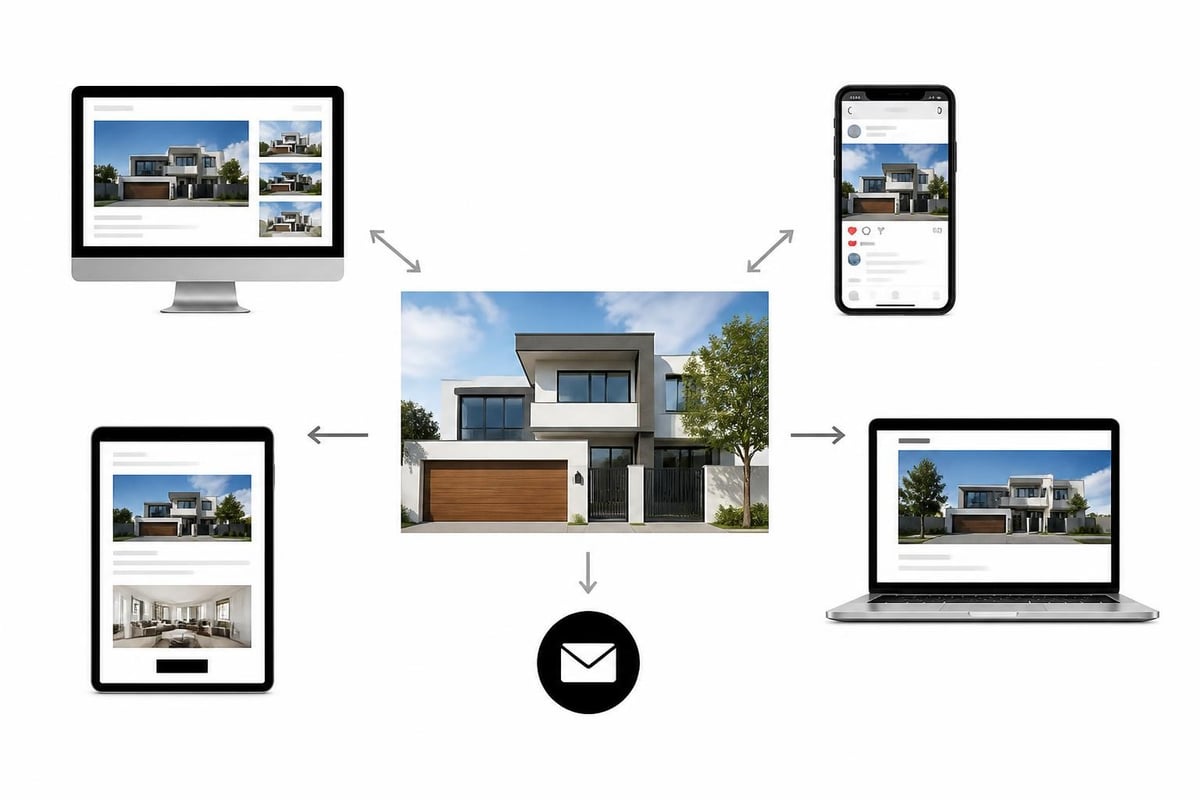
Modern property marketing extends far beyond traditional newspaper advertisements and basic online listings. Successful campaigns in 2026 employ multi-channel strategies that reach buyers across their preferred platforms and devices.
Digital Marketing Essentials
Online property portals remain the primary search tool for Australian buyers, making professional listings on major platforms non-negotiable. However, effective digital marketing extends well beyond basic portal presence.
Critical digital elements include:
- High-resolution photography showcasing property features
- Professionally edited video tours and drone footage
- Detailed property descriptions highlighting unique benefits
- Virtual tours enabling remote property exploration
- Targeted social media advertising reaching specific buyer demographics
- Email marketing to qualified buyer databases
The strategies to sell a house quickly emphasise the importance of comprehensive online presence that captures buyer attention across multiple touchpoints throughout their property search journey.
Traditional Marketing That Still Delivers Results
Despite digital dominance, certain traditional marketing methods continue delivering strong results when selling homes. High-quality printed brochures, strategically placed signage, and local print advertising maintain relevance, particularly for specific buyer demographics and property types.
Direct mail campaigns targeting nearby residents can uncover buyers seeking to upsize, downsize, or invest within their existing neighbourhood. These approaches complement digital strategies, creating comprehensive market coverage that maximises buyer awareness.
Managing Buyer Inspections and Open Homes
Property inspections represent your opportunity to convert interested buyers into committed purchasers. The inspection experience significantly influences buyer decision-making, making thorough preparation essential.
Creating Welcoming Inspection Environments
Buyers form opinions within seconds of entering a property, making atmosphere creation critical. Temperature control, subtle background music, pleasant aromas, and abundant natural light all contribute to positive first impressions.
Remove personal items, secure valuables, and ensure pets are absent during inspections. Buyers need mental space to imagine themselves living in the property, which becomes difficult when surrounded by another family's daily life.
Handling Buyer Questions and Feedback
Professional agents manage buyer interactions during inspections, answering questions while gauging interest levels and concerns. The feedback gathered throughout the campaign provides valuable insights that may inform pricing adjustments or property improvements.
Common buyer questions address neighbourhood amenities, council rates, utility costs, and reasons for selling. Honest, transparent responses build trust and maintain buyer engagement throughout the decision-making process.
Negotiation Strategies for Optimal Outcomes
Skilled negotiation separates average sale results from exceptional outcomes when selling homes. Understanding buyer psychology, recognising genuine interest, and knowing when to hold firm versus when to compromise requires experience and market knowledge.
| Negotiation Stage | Seller Strategy | Key Considerations |
|---|---|---|
| Initial Offer | Assess buyer motivation and financial position | Consider market conditions and campaign response |
| Counteroffer | Balance maximum price with risk of buyer withdrawal | Evaluate other interested parties and timing pressures |
| Final Terms | Negotiate settlement dates, conditions, and inclusions | Ensure all parties achieve workable outcomes |
The tips for first-time sellers highlight the importance of setting realistic expectations throughout negotiations, understanding that the highest offer may not always represent the best overall outcome when terms and conditions are considered.

Evaluating Multiple Offers
Receiving multiple offers represents an ideal scenario when selling homes, though comparing offers requires careful analysis beyond headline prices. Unconditional offers may warrant consideration even when priced slightly below conditional alternatives that carry contract risks.
Critical evaluation factors include:
- Deposit amount and financial pre-approval status
- Settlement timeline and flexibility
- Special conditions and contingencies
- Building and pest inspection clauses
- Finance approval requirements
Understanding these elements helps you select the offer most likely to proceed smoothly through to successful settlement, rather than the highest price that may ultimately fail during the contract period.
Legal and Administrative Considerations
The contractual and legal aspects of selling homes require careful attention to ensure compliant, smooth transactions that protect your interests throughout the process.
Mandatory Disclosure Requirements
Australian property law requires sellers to disclose specific information about property conditions, building approvals, and known issues. Failure to disclose material facts can result in contract disputes, financial penalties, or sale cancellations.
Required documentation typically includes building and pest inspection reports, swimming pool compliance certificates, and vendor statements outlining property particulars. Understanding disclosure requirements for properties with unique circumstances ensures you meet legal obligations while managing buyer expectations appropriately.
Contract Conditions and Cooling-Off Periods
Understanding standard contract terms, cooling-off periods, and special conditions protects your position throughout the transaction. In New South Wales, buyers typically receive a five-business-day cooling-off period for private treaty sales, though this doesn't apply to auction purchases.
Professional legal advice from experienced conveyancing solicitors ensures your interests remain protected throughout the contract negotiation and settlement process. Their expertise proves invaluable when navigating complex situations or unusual buyer requests.
Financial Implications and Tax Considerations
Selling homes triggers various financial implications that extend beyond the sale price, requiring careful planning to maximise your net return.
Capital Gains Tax Obligations
Investment property sales typically incur capital gains tax on profits realised during ownership, though principal place of residence sales generally receive full exemptions. Understanding your specific tax position helps you plan settlement timing and potentially minimise tax obligations through legitimate structuring.
Accurate record-keeping throughout ownership period provides essential documentation for calculating cost bases and claiming eligible deductions. Professional accounting advice ensures you meet tax obligations while optimising your financial position.
Agent Commissions and Marketing Costs
Real estate agent fees typically range from 1.5% to 3% of the sale price, varying based on property value, market conditions, and services provided. Marketing costs represent additional expenses, covering professional photography, online advertising, signage, and promotional materials.
Understanding total selling costs helps you calculate your net proceeds and make informed decisions about investment allocations and future property plans. The comprehensive selling checklist includes detailed cost breakdowns to help sellers budget appropriately throughout their campaign.
Settlement Process and Post-Sale Obligations
The period between contract signing and settlement involves numerous administrative tasks requiring careful coordination between multiple parties.
Coordinating Settlement Requirements
Settlement typically occurs 30 to 90 days after contract exchange, providing time for buyers to finalise finance arrangements while sellers prepare for property handover. During this period, you'll need to:
- Arrange utility disconnections for settlement date
- Complete any agreed repairs or maintenance
- Ensure property condition matches contract terms
- Organise removal of personal belongings
- Conduct final property inspection with buyers
Professional agents coordinate these activities, ensuring smooth transitions that minimise settlement delays or disputes. Their experience navigating common obstacles proves invaluable during this critical phase.
Final Inspections and Handover
Buyers typically conduct a final inspection shortly before settlement, verifying the property condition matches their purchase agreement. Ensuring the property is clean, empty, and maintained to contract standards prevents last-minute complications that could delay settlement or reduce your final proceeds.
All keys, garage remotes, alarm codes, and relevant documentation should be prepared for handover at settlement, creating a professional conclusion to the sales process.
Maximising Returns Through Strategic Improvements
Understanding which property improvements deliver genuine value increases when selling homes helps you invest wisely without over-capitalising on unnecessary upgrades.
High-return improvements typically include:
- Kitchen and bathroom renovations with contemporary finishes
- Fresh interior and exterior painting in neutral tones
- Improved outdoor entertaining areas and landscaping
- Enhanced storage solutions and built-in wardrobes
- Updated lighting fixtures and electrical fittings
Conversely, highly personalised renovations, swimming pools in certain markets, and over-improvement relative to surrounding properties often fail to recover their investment costs. The data-driven tips for selling homes provide valuable insights into which improvements deliver the strongest returns in current market conditions.
Regional Market Expertise and Local Knowledge
Properties in Revesby, Padstow, and Panania benefit from agents with deep local market understanding who recognise the specific features that attract buyers to these established suburbs. Local schools, transport connections, shopping precincts, and community facilities all influence buyer decisions and willingness to pay premium prices.
Understanding how your property compares to recent sales within your immediate area provides realistic expectations about achievable pricing and campaign duration. Buyers actively searching in these suburbs typically seek specific property characteristics, and positioning your home to meet these preferences maximises buyer competition.
Those interested in buying homes in these areas often have clear requirements around property size, proximity to amenities, and lifestyle features. Understanding buyer perspectives helps you highlight the aspects of your property that align with their priorities.
Common Mistakes to Avoid When Selling Homes
Learning from common seller mistakes helps you avoid costly errors that can reduce your sale price or extend your time on market.
Frequent pitfalls include:
- Overpricing based on emotional attachment rather than market evidence
- Neglecting property presentation and staging
- Being present during buyer inspections
- Rejecting reasonable early offers expecting better ones later
- Failing to address obvious maintenance issues before listing
- Choosing agents based solely on highest appraisal prices
- Inadequate marketing investment relative to property value
Understanding these common mistakes helps you approach your sale strategically, making decisions based on market realities rather than emotional preferences or unrealistic expectations.
Successfully selling homes in 2026 requires strategic planning, professional execution, and realistic market understanding throughout every stage of the campaign. From initial property preparation through to final settlement, each decision influences your ultimate outcome and return on investment. With extensive experience in Revesby, Padstow, and Panania, Steven Cirillo combines detailed local market knowledge, proven marketing strategies, and skilled negotiation to help homeowners achieve exceptional results. His straightforward communication and detail-oriented approach ensure you remain informed and confident throughout the entire selling process, delivering outcomes that consistently exceed expectations.