
Finding the best properties in today's competitive Australian real estate market requires more than simply browsing online listings or driving through suburbs on weekends. Whether you're a first home buyer, seasoned investor, or family searching for your forever home, understanding what separates exceptional properties from average ones can make the difference between a sound investment and a costly mistake. The characteristics that define the best properties extend beyond aesthetic appeal, encompassing location fundamentals, structural integrity, growth potential, and features that resonate with today's buyers.
Location Remains the Foundation of Property Value
The timeless adage about location holds particularly true when identifying the best properties. Proximity to quality schools, public transport, shopping precincts, and employment hubs consistently drives buyer demand across Australian markets. Properties in well-established suburbs with proven track records of capital growth typically outperform those in untested areas, even when initial purchase prices appear more attractive elsewhere.
Infrastructure development plays a crucial role in defining location quality. Suburbs experiencing upgrades to transport networks, new retail developments, or improved community facilities often see corresponding increases in property values. Padstow, Revesby, and Panania exemplify this principle, with established amenities, train line access, and community facilities that support long-term property value retention.

Understanding buyer’s and seller’s market dynamics helps property seekers time their purchases strategically. Markets shift, but quality locations demonstrate resilience across economic cycles.
Assessing Neighbourhood Character and Future Potential
Beyond basic amenities, the best properties exist in neighbourhoods with cohesive character and positive momentum. Streets with well-maintained homes, active community engagement, and low turnover rates signal stability that protects your investment. Observing neighbourhood trends over several months provides insights that single property inspections cannot reveal.
Future development plans warrant careful investigation. Local council websites publish zoning changes, infrastructure projects, and urban planning initiatives that may affect property values. Some developments enhance desirability, while others introduce unwanted density or traffic complications.
Structural Quality and Building Standards
The best properties demonstrate superior construction quality, appropriate maintenance, and compliance with current building standards. Original character homes with quality craftsmanship often age better than poorly constructed modern builds. Foundation integrity, roof condition, plumbing systems, and electrical installations represent core structural elements requiring professional assessment.
Building inspections are non-negotiable investments. Qualified inspectors identify defects invisible to untrained eyes, from termite damage to structural movement. Inspection reports provide negotiation leverage and protect buyers from inheriting expensive remediation projects.
| Structural Element | Inspection Priority | Common Issues |
|---|---|---|
| Foundation | Critical | Cracking, subsidence, drainage |
| Roof | High | Leaks, tile damage, inadequate flashing |
| Plumbing | High | Corrosion, water pressure, drainage |
| Electrical | Medium-High | Outdated wiring, safety compliance |
| Termites | Critical | Active infestation, previous damage |
Properties with comprehensive maintenance records demonstrate owner care and reduce future repair uncertainty. Original receipts for renovations, pest treatments, and major repairs provide valuable documentation that adds confidence to purchase decisions.
Features Modern Buyers Prioritise
Today's property market reflects evolving lifestyle preferences and functional requirements. The best properties incorporate features that today’s buyers want most, balancing timeless appeal with contemporary conveniences. Understanding these preferences helps buyers identify properties with strong resale potential and sellers position their homes effectively.
Indoor-Outdoor Connection and Living Spaces
Open-plan living areas that flow seamlessly to outdoor entertaining spaces consistently attract premium buyer interest. Australian climate and lifestyle favour properties that maximise natural light, ventilation, and connections between interior and exterior zones. Functional kitchens positioned to overlook living areas and outdoor spaces create the social hubs families value.
- Covered outdoor entertaining areas protected from weather
- Level access between indoor and outdoor spaces
- Established gardens with privacy screening
- North-facing outdoor areas maximising winter sun
- Quality outdoor lighting extending usability
Multiple living zones accommodate modern family dynamics where different generations or activities occur simultaneously. Formal lounge rooms have declined in popularity, replaced by flexible spaces that adapt to home offices, children's play areas, or media rooms.
Energy Efficiency and Sustainability Features
Rising energy costs and environmental awareness have elevated the importance of sustainability features in the best properties. Solar panels, efficient heating and cooling systems, quality insulation, and water-saving fixtures reduce ongoing costs while demonstrating environmental responsibility that appeals to conscious buyers.
Properties with established gardens featuring native plantings require less maintenance and water than high-maintenance exotic species. Rainwater tanks, grey water systems, and efficient irrigation demonstrate forward-thinking ownership that reduces environmental impact and utility expenses.
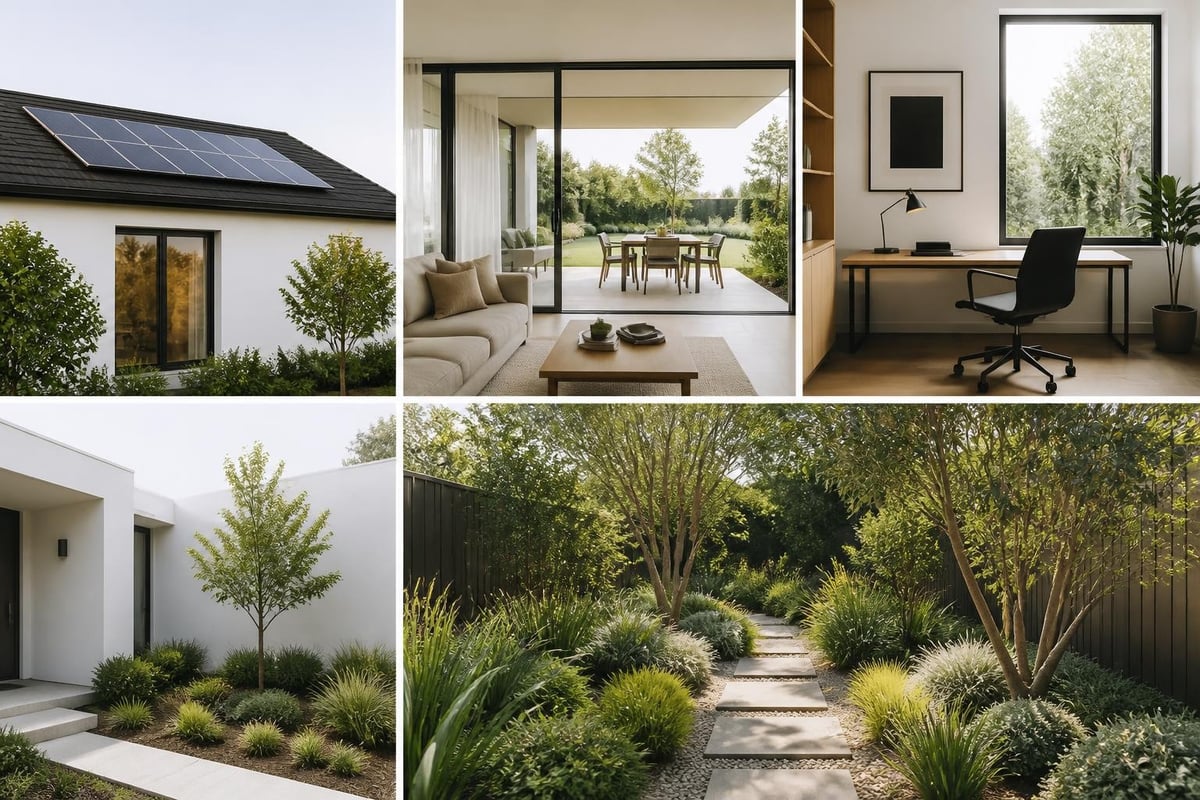
Smart home technology integration continues growing in importance, from automated lighting and climate control to security systems and energy monitoring. While not essential, these features increasingly distinguish the best properties from standard offerings.
Market Timing and Investment Fundamentals
Identifying the best properties requires understanding broader market conditions and timing considerations. Current market dynamics influence whether buyers hold negotiating advantages or face competitive bidding situations. Markets experiencing inventory increases often favour purchasers, while limited stock drives competition and prices upward.
Professional property appraisals provide objective value assessments based on recent comparable sales and current market conditions. Steven Cirillo provides accurate, data-driven property appraisals backed by extensive local market knowledge and recent comparable sales, helping property owners understand true market value whether they're considering selling immediately or planning for future transactions.
Investment Return Considerations
For investors, the best properties deliver reliable rental returns alongside capital growth potential. Rental yield calculations comparing annual rental income against purchase price provide baseline profitability metrics, but sustainable tenant demand and low vacancy rates prove equally important.
Properties appealing to stable, long-term tenants reduce turnover costs and vacancy periods. Family homes in school zones, units near transport hubs, and properties in employment centres typically maintain consistent demand. Understanding local market trends helps investors identify suburbs with strong rental fundamentals.
Capital growth drivers include:
- Infrastructure investment improving accessibility
- Population growth increasing housing demand
- Limited land supply constraining new development
- Gentrification upgrading neighbourhood appeal
- Employment precinct development attracting workers
Properties combining strong rental yields with solid growth prospects deliver optimal investment returns. Sacrificing one element entirely for the other typically proves suboptimal compared to balanced approaches.
Size, Configuration, and Functional Layout
The best properties offer appropriate size and configuration for target buyer demographics. Oversized homes in areas dominated by young families may struggle finding buyers, while compact properties in family-oriented suburbs face similar challenges. Understanding local buyer preferences ensures property selection aligns with market demand.
Bedroom and Bathroom Requirements
Three-bedroom, two-bathroom homes represent baseline family requirements across most Australian markets. Four-bedroom properties accommodate larger families or multi-generational living arrangements, expanding potential buyer pools. Master bedroom ensuites have transitioned from luxury features to standard expectations in modern homes.
Bathroom positioning matters significantly. Bathrooms accessible from living areas without traversing bedrooms suit guests and daily family use. Properties with only ensuite bathrooms serving all household members create functional limitations affecting marketability.
| Property Type | Ideal Bedrooms | Ideal Bathrooms | Target Buyer |
|---|---|---|---|
| Apartment | 2 | 1-2 | Professionals, young couples |
| Townhouse | 2-3 | 2 | Small families, downsizers |
| House | 3-4 | 2 | Families, established buyers |
| Luxury Home | 4+ | 3+ | High-income families, executives |
Living area proportions relative to bedroom sizes influence functionality. Homes with generous bedrooms but cramped living spaces, or vice versa, demonstrate poor design balance affecting desirability.
Street Appeal and First Impressions
The best properties create positive first impressions that engage buyers emotionally from initial approach. Well-maintained facades, landscaped front gardens, and quality street presentation signal pride of ownership and reduce buyer hesitation. Properties requiring significant cosmetic improvement face steeper sales challenges regardless of structural quality.
Kerb appeal encompasses multiple elements working cohesively. Fresh exterior paint, clean windows, maintained gardens, tidy lawns, and uncluttered driveways create welcoming presentations. Even small investments in garden edging, mulching, or outdoor lighting deliver disproportionate returns in buyer perception.
Neighbouring properties influence individual home appeal significantly. The best properties in poorly maintained streets struggle overcoming neighbourhood perceptions, while average homes on prestigious streets benefit from positive associations. This reality underscores location's importance beyond individual property boundaries.
Presentation and Styling Considerations
Interior presentation affects buyer engagement as profoundly as external appeal. Neutral colour schemes, uncluttered spaces, and clean interiors allow prospective buyers visualising themselves in homes more readily than heavily personalised spaces. The best properties for sale demonstrate thoughtful presentation that highlights strengths while minimising weaknesses.
Natural light maximises property appeal. Spaces feeling bright and airy attract stronger buyer responses than dark, enclosed areas. Window treatments, artificial lighting, and strategic mirror placement enhance natural light distribution throughout homes.
Storage solutions throughout properties prevent clutter accumulation and demonstrate functional living capacity. Built-in wardrobes, linen cupboards, pantries, and garage storage systems add genuine value while improving daily livability.
Land Size and Outdoor Space Value
Australian buyers traditionally value land, making block size a significant factor distinguishing the best properties from average alternatives. Generous land parcels offer expansion possibilities, garden development potential, and outdoor recreation space that apartments and townhouses cannot match. However, contemporary buyers increasingly weigh maintenance requirements against size benefits.
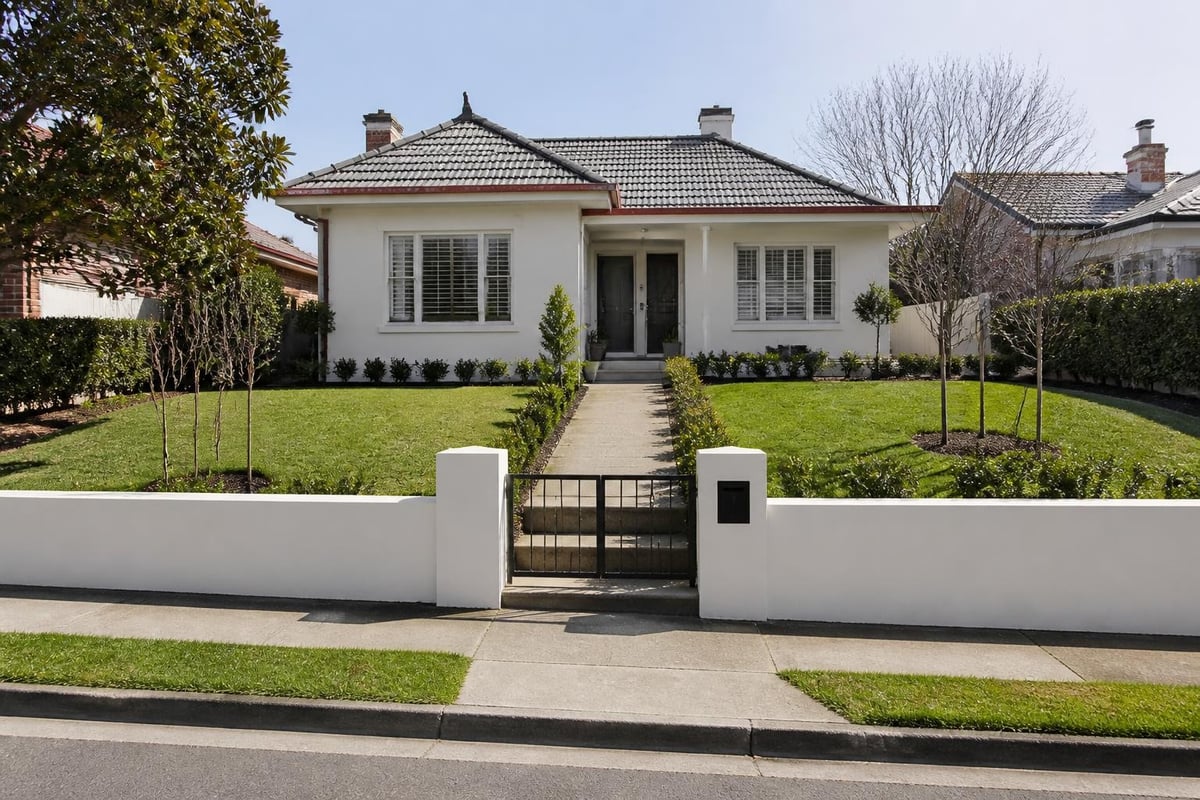
Properties on established blocks with mature gardens, established trees, and developed outdoor spaces deliver immediate amenity that newly subdivided lots require years to achieve. Balancing land size with maintenance capacity suits time-poor professionals and downsizers seeking manageable properties.
Future Development Potential
Larger blocks in growth areas offer subdivision potential that increases land value independent of dwelling quality. Local council regulations governing minimum lot sizes, setbacks, and density determine development feasibility. Properties with subdivision potential attract developer interest even when dwellings appear dated or require renovation.
Dual occupancy opportunities on single titles appeal to investors, multi-generational families, and developers. Blocks supporting granny flats or secondary dwellings under current regulations command premiums reflecting income-generating possibilities.
Researching Market Trends and Comparative Sales
The best properties represent good value within their market segments. Understanding recent comparable sales provides context for evaluating asking prices and determining fair offers. Properties priced significantly above recent comparables require justification through superior features, condition, or location advantages.
Emerging market trends indicate which areas are experiencing growth momentum versus stagnation. While international market analyses provide broader context, local Australian market knowledge proves most relevant for purchasing decisions. Suburbs experiencing increasing median prices, declining days-on-market, and rising auction clearance rates demonstrate strengthening demand.
Online property portals provide historical sales data, suburb statistics, and demographic information supporting informed decisions. However, automated valuations lack nuance that experienced agents bring through daily market exposure and transaction involvement. Combining data resources with professional guidance delivers optimal market understanding.
Understanding Days on Market Significance
Properties selling quickly indicate strong buyer demand or attractive pricing. Conversely, extended marketing periods suggest overpricing, property defects, or weak market conditions. The best properties in healthy markets typically generate interest within initial weeks, progressing to offers within 30-45 days through traditional campaigns.
Reduced listings or price adjustments signal initial pricing missed market expectations. While reduced properties may offer negotiation opportunities, they require investigation into why buyer interest proved insufficient at original prices. Sometimes genuine bargains emerge, but often fundamental issues justify weak response.
Working with Experienced Local Agents
Navigating property markets effectively requires expertise that comes from sustained local engagement and transaction experience. Agents specialising in specific suburbs develop nuanced understanding of micro-markets, buyer preferences, and value indicators that generalised knowledge cannot replicate. This expertise proves invaluable whether buying or selling properties.
Real estate professionals with proven track records in target areas provide access to off-market opportunities, buyer networks, and negotiation skills that protect client interests. Their market knowledge helps buyers identify the best properties before competition intensifies and assists sellers achieving optimal results through strategic positioning.
Agents who communicate honestly and transparently throughout processes build trust that facilitates smoother transactions. Clear updates, straightforward advice, and realistic expectations prevent surprises that undermine confidence in complex financial decisions.
Due Diligence Beyond Surface Impressions
The best properties withstand rigorous examination revealing no significant hidden defects or complications. Comprehensive due diligence protects buyers from expensive surprises post-settlement while providing negotiation leverage when issues emerge during investigations.
Essential due diligence steps include:
- Building and pest inspections by qualified professionals
- Strata reports for units reviewing financial health and planned works
- Council searches confirming zoning, approvals, and development applications
- Contract review by conveyancing solicitors identifying unusual conditions
- Title searches revealing easements, covenants, or encumbrances
Properties in flood-prone areas require careful assessment of inundation risks, insurance costs, and historical flooding events. Climate change increases flood exposure in previously safe areas, making current flood mapping essential research.
Neighbourhood crime statistics, noise complaints, and local issue reports available through council and police sources reveal potential liveability concerns. The best properties exist in safe, quiet streets supporting comfortable long-term residence.
Identifying the best properties combines objective assessment of structural quality, location fundamentals, and market positioning with subjective evaluation of how homes suit individual needs and lifestyle requirements. Whether you're purchasing your first home, upgrading to accommodate growing families, or building investment portfolios across Padstow, Revesby, and Panania, expert guidance ensures confident decisions backed by local market knowledge and transaction experience. Steven Cirillo provides personalised service combining strategic insight with honest communication, helping clients navigate competitive markets to secure exceptional properties that deliver lasting value and satisfaction.